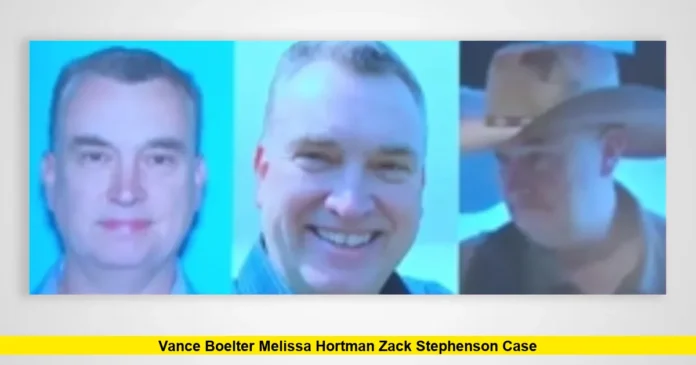
The Vance Boelter Melissa Hortman Zack Stephenson case has left an indelible mark on Minnesota and the nation. The shocking violence of June 14, 2025, claimed lives, devastated families, and reshaped the state’s political leadership. As court proceedings move forward, Minnesota continues to grapple with grief, resilience, and the urgent need to protect democracy from political violence.
Table of Contents
The Night of June 14
The tragedy began in the early morning hours of June 14, 2025. Around 2:00 a.m., Senator John Hoffman and his wife Yvette were attacked in their Champlin home by a man impersonating a police officer. After raising suspicions at the door, the intruder opened fire, striking both multiple times. Though critically injured, they survived, while their daughter escaped physical harm but witnessed the ordeal.
Less than two hours later, Representative Melissa Hortman and her husband Mark were targeted in their Brooklyn Park residence. The same tactics were used—impersonation of law enforcement followed by deadly gunfire. Both Melissa and Mark were killed instantly, and even their dog was not spared. The calculated nature of the attack shocked investigators and raised immediate alarms about broader political motives.
Authorities later discovered chilling evidence linking the crimes to Vance Luther Boelter. His property contained vehicles modified to resemble police cruisers, tactical gear, body armor, and notebooks with names and addresses of political figures. These findings revealed the attacks as part of a larger, premeditated plan directed against Minnesota’s Democratic leadership and abortion providers.
The Manhunt and Arrest
Within hours, law enforcement launched one of the largest manhunts in Minnesota history. Emergency alerts warned the public that Boelter was armed, dangerous, and impersonating police. Residents were urged not to open doors to anyone without verification.
The search stretched across multiple counties, with state troopers, federal agents, and local police coordinating efforts. Surveillance footage and eyewitness accounts placed Boelter near other lawmakers’ homes, raising fears of additional attacks. The FBI’s involvement underscored the national security implications of the case.
On June 15, authorities located Boelter near his home in Green Isle. Tactical teams surrounded the property and executed a controlled arrest. Weapons and additional notebooks were recovered, reinforcing the scope of his plans. His capture ended the immediate threat but left Minnesota shaken, with questions about how such violence could reach its leaders’ front doors.
Court Proceedings and Charges
Since his arrest, Boelter has remained in federal custody. Prosecutors filed extensive state and federal indictments, reflecting both the brutality and the premeditation of the attacks.
- State charges: First-degree murder of Melissa and Mark Hortman, attempted murder of John and Yvette Hoffman, and animal cruelty.
- Federal charges: Stalking, firearms violations, and impersonating a police officer.
The federal charges carry the potential for the death penalty, though prosecutors have not yet confirmed whether they will pursue it. At the state level, a conviction on murder charges could result in life without parole.
Boelter has signaled his intent to plead not guilty. His defense disputes claims of political motivation, while prosecutors argue the hit lists and impersonation of police prove otherwise. The overlapping jurisdictions mean the case will stretch on, with proceedings expected to last many months.
Political Fallout and Leadership Transition
Beyond the courtroom, the shootings left Minnesota politics in turmoil. Melissa Hortman was not only a respected lawmaker but also the leader of the DFL caucus. Her death left the party grieving and without clear direction.
In the days that followed, lawmakers turned to Representative Zack Stephenson, a longtime ally and mentee of Hortman. He was unanimously chosen as the new DFL caucus leader. His selection symbolized both continuity of Hortman’s vision and a fresh commitment to stability in turbulent times.
Stephenson has pledged to carry forward Hortman’s legislative priorities, including support for education, clean energy, and reproductive rights. He has also emphasized unity and resilience, urging Minnesotans to reject violence as a tool of political expression. His rise to leadership reflects both his personal connection to Hortman and the trust his peers place in him.
The fallout has also prompted statewide reviews of security for lawmakers. The discovery of Boelter’s notebooks—containing names of dozens of Democratic figures—highlighted the urgent need for stronger protections. Additionally, preparations began for a special election on September 16, 2025, to fill Hortman’s seat in House District 34B, ensuring her community remains represented.
Closing Reflections
The Vance Boelter Melissa Hortman Zack Stephenson case is more than a legal proceeding; it is a defining moment for Minnesota and a warning for the nation. It revealed how political extremism and violence can penetrate the most private spaces of public servants, threatening not only individuals but the foundations of democracy itself.
Melissa Hortman’s legacy as a leader and mentor continues to inspire, while Zack Stephenson’s leadership demonstrates resilience in the face of tragedy. Boelter’s actions, though devastating, have sparked urgent conversations about security, extremism, and the need for unity against violence.
As the trials proceed and Minnesota prepares for new political chapters, the memory of June 14 remains a call to protect those who serve and to uphold the values of public service. Justice for the victims and accountability for the accused remain at the center of this unfolding story.

