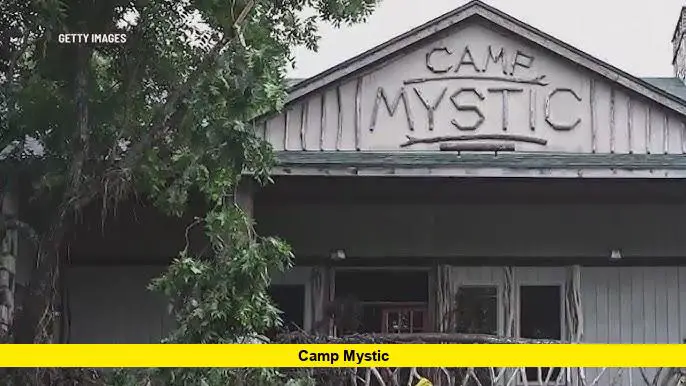
Camp Mystic, a nearly century-old summer tradition in Texas, has announced its intention to reopen in 2026. The camp’s leadership presented the move as a sign of resilience after last year’s devastating flood. Yet, instead of uniting families around hope and renewal, the announcement has deepened divides. Parents who lost children in the tragedy say the reopening feels rushed, insensitive, and out of step with the grieving process still underway.
For Camp Mystic, the decision is not just about rebuilding cabins and trails—it’s about rebuilding trust. For parents, it’s about ensuring that their heartbreak is acknowledged before the next chapter begins.
Table of Contents
The Heart of Camp Mystic
For generations, Camp Mystic has held a cherished place in Texas summers. Founded in 1926, the camp has long promised a blend of outdoor adventure, spiritual growth, and lasting friendships for young girls. Its twin campuses—Cypress Lake and Guadalupe River—sit on sprawling acreage surrounded by the natural beauty of Hill Country.
Traditions at Camp Mystic run deep. From canoeing at sunrise to campfire songs under the stars, it’s been a place where countless families have sent daughters year after year. Alumni often describe it as a second home, a place where confidence and camaraderie thrive.
That legacy, however, was forever altered in July 2025. The sudden flash flood that roared through the Guadalupe River site changed the narrative from joyful summers to unimaginable tragedy. Twenty-seven lives were lost, families were torn apart, and the community was left grappling with grief.
The Reopening Plan in Detail
The camp’s recent announcement outlines a phased reopening strategy. Here are the key points shared with families:
- Cypress Lake Campus: Scheduled to reopen for the 2026 summer session. This site was less affected by the flood and has been undergoing renovations to meet new safety codes.
- Guadalupe River Campus: Remains closed indefinitely. The site suffered heavy damage, and leaders have not committed to a timeline for its return.
- Infrastructure Changes: Cabins and common areas near flood-prone zones will not be used again. Construction is focused on higher ground and more secure locations.
- Emergency Preparedness: A comprehensive safety plan includes evacuation drills, advanced weather monitoring systems, and staff trained in crisis response.
- Memorial Construction: A permanent tribute is planned to honor the children and counselors who lost their lives.
The camp leadership framed these steps as both practical and symbolic. They described the reopening as a way of ensuring that the camp’s legacy is not defined by a single night of disaster.
Why Parents Remain Opposed
The announcement, however, has not been met with universal support. In fact, many parents of victims reacted with deep frustration and anger. Their concerns can be grouped into four major themes:
1. Timing Feels Premature
Parents argue that a 2026 reopening comes far too soon. With grief still raw, they feel the camp should pause longer before inviting new campers back. Some suggest that reopening risks signaling that the community has “moved on,” when many families are still searching for closure.
2. Lack of Input
Families of victims say they were not properly consulted about either the reopening timeline or the memorial’s design. For them, decisions about how to honor lost lives should be collaborative, not top-down.
3. Trust in Safety Measures
While new safety protocols have been promised, skepticism runs deep. Parents want more than assurances—they want transparent, verifiable proof that the camp will be safe. Past decisions, like building cabins near flood zones, have eroded trust.
4. Emotional Impact
Beyond logistics and safety, reopening Camp Mystic stirs powerful emotions. For many parents, the idea of children laughing and playing on the same grounds where tragedy struck feels unbearable. The symbolism of reopening too soon intensifies their pain.
The New Laws That Will Shape Camp Mystic
In the wake of the 2025 flood, Texas lawmakers enacted sweeping reforms targeting camp safety. Camp Mystic, as the most visible case, will be under particular scrutiny.
The new laws include:
- Flood-Zone Restrictions: Prohibiting construction or occupation of cabins in high-risk flood areas.
- Mandatory Emergency Plans: Camps must provide detailed evacuation strategies and rehearse them annually.
- Real-Time Alert Systems: Camps are required to install modern communication systems that deliver instant weather and safety warnings.
- Independent Safety Audits: Before any camp reopens, it must undergo third-party inspections to confirm compliance.
- Staff Training Standards: All counselors and staff must complete certified emergency preparedness courses.
For Camp Mystic, these laws are not just requirements—they are the foundation upon which its reopening credibility depends. The challenge lies in demonstrating that safety is not just promised, but proven.
A Community Divided
The debate surrounding Camp Mystic is more than an operational issue. It has fractured the community. Alumni who hold fond memories of summers past express hope that reopening will restore the camp’s spirit. Others, especially families who lost loved ones, feel reopening undermines the gravity of their loss.
Some parents describe the reopening announcement as “a betrayal of grief.” Others see it as a necessary step toward healing, arguing that the camp’s traditions should not end with tragedy. This clash of perspectives highlights the difficulty of balancing legacy with loss.
Memorialization: A Sensitive Question
Central to the debate is the question of how to honor those who died. Camp Mystic has promised a permanent memorial, but parents want more say in its design and location.
Families have suggested ideas ranging from:
- A dedicated remembrance garden with plaques bearing each child’s name.
- A retreat space where parents can visit year-round.
- Scholarships in the names of victims to help future campers.
- Annual remembrance events that ensure the tragedy is never forgotten.
The concern among many families is that the memorial could feel like an afterthought rather than a central part of the camp’s identity moving forward. They insist that true healing requires inclusion, not unilateral decisions.
Lessons for Camps Nationwide
While the spotlight is on Camp Mystic, its story is resonating across the United States. Camps everywhere are reassessing their safety protocols in light of increasingly unpredictable weather patterns. What happened at Camp Mystic is now seen as a wake-up call: summer camps must plan for extremes once considered unthinkable.
Other camps are taking proactive steps such as relocating cabins, investing in new alert systems, and creating stronger partnerships with local emergency responders. Camp Mystic’s reopening will serve as a test case for whether these measures are enough to restore parental confidence.
The Road Ahead for Camp Mystic
Looking forward, the camp’s ability to thrive again depends on several key actions:
- Transparent Communication
Families want updates that are clear, consistent, and frequent. Silence or vague promises only deepen mistrust. - Family Engagement
Inviting parents into decision-making processes, particularly around the memorial, will help repair relationships. - Visible Safety Improvements
Rebuilding higher, stronger, and safer will send a message that lessons have been learned. - Independent Oversight
Allowing outside experts to verify safety compliance could go a long way in rebuilding trust. - Emotional Sensitivity
Above all, Camp Mystic must acknowledge that reopening is not just a logistical act—it is a deeply emotional one. Respecting grief while creating space for renewal is the challenge ahead.
Closing Thoughts
Camp Mystic stands at a crossroads. On one side lies nearly 100 years of tradition, friendships, and memories. On the other lies the grief and trauma of families who will never see their daughters return from camp. Reopening in 2026 may restore joy for some, but it risks deepening pain for others.
Whether Camp Mystic can navigate this path depends on its willingness to listen, adapt, and rebuild not just its cabins but its relationships with families. The story of Camp Mystic is no longer just about summer fun—it’s about resilience, accountability, and the long journey toward trust.
What’s your view—should Camp Mystic reopen as planned, or wait until parents feel ready to embrace it again? Share your thoughts below and keep the conversation alive.

