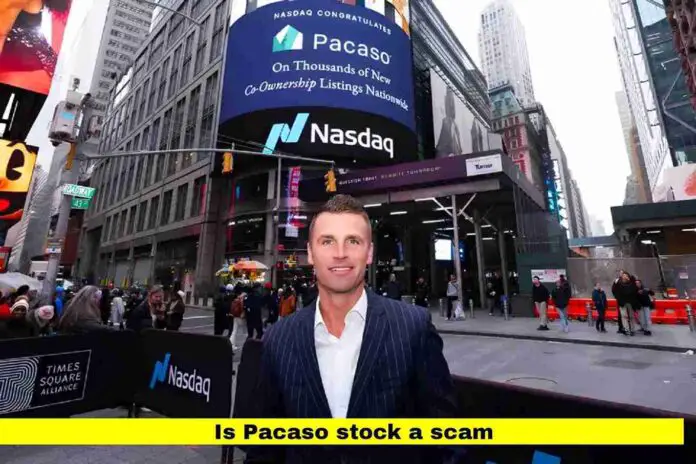
The debate around is Pacaso stock a scam has captured growing attention among investors, especially as the company promotes its fractional real estate model and retail equity opportunities. While there is no confirmed evidence that Pacaso is fraudulent, the firm faces significant challenges, making it a speculative and high-risk bet. This article breaks down how Pacaso operates, the latest developments, warning signs, and whether investors should be cautious before buying in.
Table of Contents
Pacaso’s Model and Equity Offering
Pacaso operates in the fractional real estate ownership sector. Instead of buying entire vacation homes, investors can purchase shares of a property—commonly 1/8, 1/4, or 1/2. These shares are legally tied to limited liability companies (LLCs) that hold the homes. Pacaso manages scheduling, insurance, and property maintenance, while owners enjoy time in the homes and have the option to sell their shares.
The company also launched an equity crowdfunding initiative, inviting retail investors to buy into Pacaso itself. This approach sparked debate about its legitimacy and potential risks.
Key Points Summary – Quick Glance for Fast Readers
➡️ Pacaso sells fractional shares of vacation homes through LLC structures.
➡️ It also offers company equity via retail investment programs.
➡️ Supporters highlight real assets, institutional backing, and high occupancy rates.
➡️ Critics argue losses, resale issues, and regulation risks make it unstable.
➡️ There is no proven scam, but investors should treat it as highly speculative.
Why Pacaso Appears Legitimate
1. Real Properties and Tangible Assets
Pacaso deals with actual homes in desirable markets. Ownership is documented through LLCs, which strengthens the credibility of the structure compared to mere “usage rights.”
2. Demand for Fractional Ownership
Vacation homes often sit empty for much of the year. Pacaso’s model allows multiple owners to enjoy a luxury home without bearing the full cost, leading to higher occupancy rates than traditional second homes.
3. Backing and Expansion
The company has drawn institutional investors and debt financing to expand into dozens of U.S. markets, as well as international markets such as Europe and Mexico. This suggests financial institutions recognize potential in the model.
Ppp4. Efforts at Regulatory Compliance
In areas where zoning laws are challenged, Pacaso has engaged in dialogue with regulators. Unlike short-term rental platforms, Pacaso positions itself as a second-home ownership solution, which shows attempts to align with legal frameworks.
Red Flags Raising “Scam” Concerns
1. Heavy Losses and Spending
Pacaso has been criticized for burning through significant amounts of money. Reports highlight that revenue growth has not always kept pace with operating costs, which sparks concern about long-term sustainability.
2. Weak Resale Liquidity
A key promise of fractional ownership is resale potential. Yet, critics argue the secondary market for Pacaso shares is limited, leaving some owners unable to exit investments easily. Illiquidity reduces confidence in the model.
3. High Valuations Without Matching Profits
Some analysts argue Pacaso is overvalued, pointing out that its worth is based more on growth potential than present profitability. Overinflated valuations are often associated with speculative investments rather than stable assets.
4. Regulatory Pushback
Municipalities in areas like California have expressed concern that Pacaso’s homes resemble short-term rentals. Any tightening of zoning restrictions could reduce Pacaso’s ability to operate in prime markets.
5. Confusion Over “Stock” Offering
Pacaso is not publicly traded. Its “stock” opportunity is structured through crowdfunding programs, not listed exchanges. Many investors mistakenly assume high liquidity, only to find resale extremely limited.
Is Pacaso Stock a Scam or Just a Risky Bet?
Labeling Pacaso as a scam would require evidence of fraud, deception, or theft of investor funds. So far, none of these accusations have been substantiated. Pacaso does have real assets, contracts, and operations.
However, its business challenges—financial losses, resale limitations, and regulatory uncertainty—make it far from a safe investment. It is more accurate to describe Pacaso as a high-risk, speculative play, not a proven scam.
Factors to Evaluate Before Investing
If you’re weighing Pacaso equity or fractional shares, consider these key factors:
- Financial Disclosures: Examine cash flow, revenue growth, and cumulative losses.
- Exit Options: Understand resale restrictions and demand for shares.
- Regulatory Climate: Check zoning laws in areas where properties are located.
- Ownership Rights: Review LLC agreements to confirm legal protections.
- Risk Tolerance: Only invest funds you are prepared to lose.
The Bigger Picture for Fractional Real Estate
Fractional real estate is not new—similar models exist in timeshares and private residence clubs. The difference is Pacaso’s attempt to modernize the structure with digital platforms, streamlined scheduling, and investment flexibility.
Yet, the risks are also familiar: resale bottlenecks, disputes among owners, and dependence on market conditions. Whether Pacaso survives long-term may depend on how well it solves liquidity challenges and proves its model can generate sustainable profit.
Conclusion
So, is Pacaso stock a scam? The evidence points to no—it is a legitimate business operating in the fractional ownership sector. But for cautious investors, the more important conclusion is that it represents a high-risk investment with uncertain returns.
If you’re exploring opportunities in fractional ownership, proceed with diligence, study the risks, and recognize that speculative ventures often require patience—or the ability to walk away without regret.
FAQs
Q1: Is Pacaso stock publicly traded?
No, Pacaso is not on the stock market. Its shares are offered through crowdfunding programs.
Q2: How do Pacaso investors make money?
Returns depend on property appreciation, resale of shares, or potential corporate liquidity events.
Q3: Can Pacaso be shut down by regulators?
Local governments could restrict operations in certain markets, which may impact property values or usage rights.
Disclaimer
This content is for informational purposes only and should not be taken as financial advice. Investing in fractional real estate or equity crowdfunding carries high risks. Consult financial or legal professionals before making decisions.

