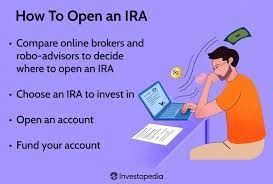
If you’ve been wondering how to set up Roth IRA, now is a crucial time to act. In 2025, new regulations, updated contribution limits, and expanded eligibility ranges are shaping how millions of Americans approach Roth IRAs. Whether you’re opening your first account or reviewing your retirement strategy, understanding the latest changes can help you maximize tax-free growth and avoid costly mistakes.
Table of Contents
Understanding the Roth IRA Advantage
A Roth IRA remains one of the most powerful tools for building tax-free retirement income. You fund it with after-tax dollars, meaning you won’t receive an immediate deduction, but your future qualified withdrawals are entirely tax-free. With tax policies evolving, this advantage continues to stand out—especially for younger savers or those expecting higher future tax rates.
Key Updates Impacting Roth IRAs in 2025
Several recent developments may influence how you set up and use a Roth IRA this year:
- Contribution Limits remain at $7,000 for individuals, with an additional $1,000 catch-up contribution available for those aged 50 and older.
- Income Phase-Out Ranges Increased:
- Single filers: $150,000 – $165,000
- Married filing jointly: $236,000 – $246,000
- Roth Catch-Up Rule Finalized: High earners (over $145,000 in wages) must direct catch-up contributions to Roth accounts starting in 2026.
- No More RMDs for Roth 401(k): Roth employer accounts no longer have required minimum distributions, aligning them with Roth IRAs.
These updates don’t change the process of setting up an account, but they do affect eligibility, contribution strategies, and tax planning.
Step 1: Check Your Eligibility
To open and contribute to a Roth IRA in 2025, you must have earned income (like wages or self-employment income). Passive income alone, such as rental income or dividends, does not qualify.
Check the income thresholds carefully:
- Single/Head of Household: Full contribution allowed if your modified adjusted gross income is under $150,000. Contributions phase out between $150,000 and $165,000.
- Married Filing Jointly: Full contribution allowed if under $236,000. Phase-out occurs between $236,000 and $246,000.
- If your income exceeds these ranges entirely, you can’t contribute directly. Some individuals consider a “backdoor Roth” strategy, but that requires careful tax handling.
Step 2: Choose the Right Custodian
The custodian is the financial institution that holds your Roth IRA. You can open the account through:
- Major brokerages (e.g., Fidelity, Vanguard, Charles Schwab)
- Banks or credit unions
- Robo-advisors
Compare custodians carefully based on:
- Account fees and minimums
- Investment choices
- Digital tools and support
- Ease of funding and withdrawals
Opening the account is typically a quick online process that takes less than 15 minutes.
Step 3: Complete the Application
You’ll need to provide standard personal details:
- Name, address, Social Security number
- Employment and income information
- Beneficiary designations
- Funding details (bank account for transfers)
Many institutions allow you to set up automatic monthly contributions, which can make reaching annual limits easier.
Step 4: Fund Your Roth IRA
For 2025, you can contribute up to:
- $7,000 if you’re under 50
- $8,000 if you’re 50 or older (including catch-up contribution)
You have until April 15, 2026, to make contributions for the 2025 tax year.
Ways to fund your Roth IRA include:
- Direct transfers from a bank account
- Payroll deductions if offered by your employer
- Rolling over from other IRAs
- Converting from a traditional IRA (if eligible)
Avoid exceeding the limit—over-contributions can result in penalties if not corrected in time.
Step 5: Choose Investments Wisely
Funding the account is just the start. How you invest will determine your long-term growth. Common investment options include:
- Target-date funds for a hands-off, all-in-one solution
- Low-cost index funds or ETFs for broad market exposure
- Bonds or money market funds for stability
- Individual stocks for those comfortable with more active investing
Diversification and consistent contributions often matter more than trying to “time the market.”
Step 6: Understand the Five-Year and Age Rules
Roth IRAs come with two key rules that affect withdrawals:
- Five-Year Rule: You must wait at least five tax years after your first contribution before withdrawing earnings tax-free.
- Age Rule: You must be at least 59½ to withdraw earnings without taxes or penalties.
However, your contributions (the money you put in) can be withdrawn anytime without tax or penalty.
Roth Catch-Up Contributions: Big Change Coming in 2026
Starting in 2026, individuals aged 50 and above who earn more than $145,000 from wages will be required to make their catch-up contributions to Roth accounts, not pre-tax.
This is a major shift for higher earners who previously reduced taxable income through catch-up contributions. For many, this makes understanding Roth strategies now even more important—especially if you want to balance pre-tax and after-tax retirement savings.
Common Mistakes to Avoid When Setting Up a Roth IRA
Setting up a Roth IRA is simple, but errors can lead to penalties or missed opportunities:
- Contributing when ineligible due to income limits
- Over-contributing and not correcting it before the deadline
- Not naming a beneficiary for the account
- Ignoring investment choices and leaving contributions in cash for too long
- Forgetting state tax differences, which can affect distributions later
Addressing these early prevents headaches down the road.
Quick Setup Timeline Example
| Step | Timing |
|---|---|
| Open Roth IRA | January–March 2025 |
| Start Contributions | Monthly or lump sum anytime in 2025 |
| Max Out Contributions | By end of 2025 or April 15, 2026 |
| Reassess Eligibility | Late 2025 before filing taxes |
| Monitor Law Changes | Ongoing through 2025–2026 |
When a Roth IRA Makes the Most Sense
Consider prioritizing a Roth IRA if:
- You expect to be in a higher tax bracket in retirement
- You prefer tax-free withdrawals later in life
- You want more control over when you take distributions (no RMDs)
- You have time on your side to benefit from long-term compounding
A traditional IRA might be more suitable if immediate tax deductions are critical or your income exceeds eligibility limits. Some savers use both strategies to balance their tax exposure.
Action Steps for 2025
- Check your 2025 income against Roth IRA eligibility limits.
- Choose a reliable custodian with strong investment options.
- Open and fund the account early to maximize growth time.
- Set up automatic contributions if possible.
- Stay updated on the upcoming 2026 Roth catch-up rules.
FAQ
Q1: Can I have both a Roth IRA and a 401(k)?
Yes, you can contribute to both as long as you meet the Roth IRA income limits.
Q2: What if my income is too high for a Roth IRA?
You might consider a backdoor Roth strategy by contributing to a traditional IRA and then converting.
Q3: Can I withdraw my Roth IRA contributions whenever I want?
Yes, contributions can be withdrawn tax- and penalty-free at any time. Earnings are subject to the five-year and age rules.
Thank you for reading this complete 2025 guide on how to set up Roth IRA. If you have questions or personal insights, share them in the comments and join the discussion.
Disclaimer: This article is for informational purposes only and does not constitute financial, legal, or tax advice. Consult a qualified professional for guidance specific to your situation.

