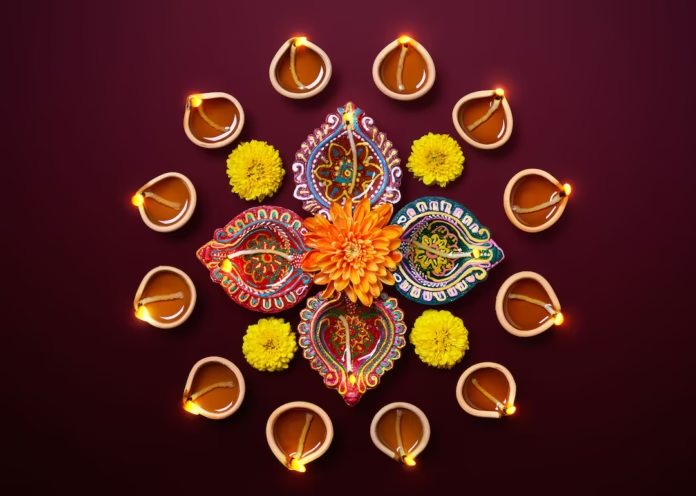
The question “what does Diwali celebrate” becomes especially relevant as millions of people across the United States prepare to mark this vibrant festival. Known as the “Festival of Lights,” Diwali is one of the most important celebrations in Hinduism, and it’s also observed by Jains, Sikhs, and some Buddhists.
Each year, the holiday brings families, communities, and entire cities together for a celebration of light overcoming darkness, good triumphing over evil, and hope shining brightly.
Table of Contents
A Major Festival with Global Significance
Diwali, which typically falls between mid-October and mid-November, follows the Hindu lunar calendar. In 2025, Diwali will be celebrated on October 20, with festivities lasting five days in many communities.
In recent years, the festival has gained growing recognition in the U.S. — from school districts declaring holidays to cities hosting public celebrations. The White House, state governments, and major cities like New York, Chicago, and San Francisco now regularly hold Diwali events that reflect the holiday’s cultural and spiritual significance for millions of Americans.
The Core Meaning of Diwali
So, what does Diwali celebrate at its heart? At its core, Diwali symbolizes the victory of light over darkness, knowledge over ignorance, and good over evil. It is a celebration of hope, renewal, and the human spirit.
While the meaning of the festival can vary across religions and regions, several key themes unite the celebrations:
- Light conquers darkness: People illuminate homes with oil lamps (diyas), candles, and electric lights to symbolize inner light and hope.
- Good triumphs over evil: Many stories associated with Diwali highlight moral victories, such as Lord Rama’s return after defeating the demon king Ravana.
- Renewal and new beginnings: Diwali marks the end of the harvest season in India and the beginning of a new financial year for many communities.
This symbolic blend of spiritual and cultural elements has made Diwali one of the most celebrated festivals in the world.
Hindu Traditions: The Return of Lord Rama
One of the most well-known stories associated with Diwali comes from Hindu tradition. It celebrates Lord Rama’s return to Ayodhya after a 14-year exile, during which he defeated the demon king Ravana.
According to the story, the people of Ayodhya lit oil lamps to welcome Rama, Sita, and Lakshmana home. This act of lighting lamps is why Diwali is often called the Festival of Lights.
Today, Hindus around the world recreate this tradition by lighting diyas, decorating their homes, and participating in prayers known as Lakshmi Puja, honoring the goddess of wealth and prosperity.
Sikh Observances: The Day of Liberation
For Sikhs, Diwali coincides with Bandi Chhor Divas, or “Day of Liberation.” This commemorates the release of Guru Hargobind Ji, the sixth Sikh Guru, from imprisonment in the early 17th century.
Sikhs mark the occasion with prayers, gurdwara services, lighting displays, and community meals known as langar, emphasizing freedom, justice, and spiritual resilience.
Jain and Buddhist Traditions
Jains observe Diwali to commemorate Lord Mahavira’s attainment of moksha, or spiritual liberation, in 527 BCE. For Jains, the festival is a time of reflection, fasting, and renewal.
Some Buddhists, particularly those from the Newar community in Nepal, celebrate Diwali as part of their own cultural traditions, integrating lights and rituals into their festivities.
How Diwali Is Celebrated in the U.S.
Across the United States, Diwali celebrations have grown tremendously over the past two decades. Communities large and small come together to host public events, often blending traditional customs with American culture.
Some common celebrations include:
- Lighting diyas and candles in homes and public spaces
- Colorful rangoli designs made with colored powder or flowers at entrances
- Fireworks displays in community centers and temples
- Dance and music performances, including classical and Bollywood styles
- Community feasts featuring sweets like ladoos, jalebi, and barfi
In many cities, Diwali celebrations have expanded beyond religious communities, drawing people from all backgrounds to participate in the joy and cultural richness of the festival.
Growing Recognition Across America
The cultural impact of Diwali in the U.S. continues to grow. Some notable developments in recent years include:
- School Holidays: Several school districts, including in New York City, have added Diwali to their official holiday calendars.
- Public Celebrations: Major landmarks, such as Times Square and Disneyland, have hosted Diwali events.
- Political Recognition: State and federal leaders issue annual Diwali greetings, recognizing its significance to millions of Americans.
- Commercial Celebrations: Major brands and retailers now offer Diwali collections, decorations, and advertisements tailored to the holiday.
This increasing visibility has helped more Americans learn the answer to “what does Diwali celebrate” and embrace the holiday as part of the country’s diverse cultural landscape.
A Five-Day Celebration
While many think of Diwali as a single day, it is traditionally celebrated over five days, each with its own rituals and meaning:
| Day | Name | Significance |
|---|---|---|
| Day 1 | Dhanteras | Marks the beginning of Diwali, associated with wealth and prosperity. |
| Day 2 | Choti Diwali | A day of preparation and light decoration. |
| Day 3 | Diwali | The main day of celebration with lights, prayers, and festivities. |
| Day 4 | Govardhan Puja | Celebrates gratitude, community, and nature. |
| Day 5 | Bhai Dooj | Honors the bond between brothers and sisters. |
This structured celebration highlights the festival’s depth, moving beyond one day of joy to a week of cultural and spiritual reflection.
Why It Matters in the U.S. Today
For many Indian Americans and South Asian communities, Diwali is more than a cultural festival — it’s a way to connect generations, preserve traditions, and share their heritage. It also offers non-celebrants an opportunity to learn, participate, and appreciate the diverse cultural fabric of the country.
As awareness spreads, the question “what does Diwali celebrate” is being answered in classrooms, workplaces, and neighborhoods across the U.S. — not just in temples and cultural centers.
Closing Thoughts
Understanding what Diwali celebrates goes beyond knowing dates and rituals. It’s about recognizing a festival that celebrates light, goodness, and renewal — values that resonate universally.
As Diwali approaches, communities across the United States are preparing for celebrations filled with lights, sweets, and togetherness. Whether you celebrate or simply observe, it’s a moment to reflect on hope and the power of light to overcome darkness.

