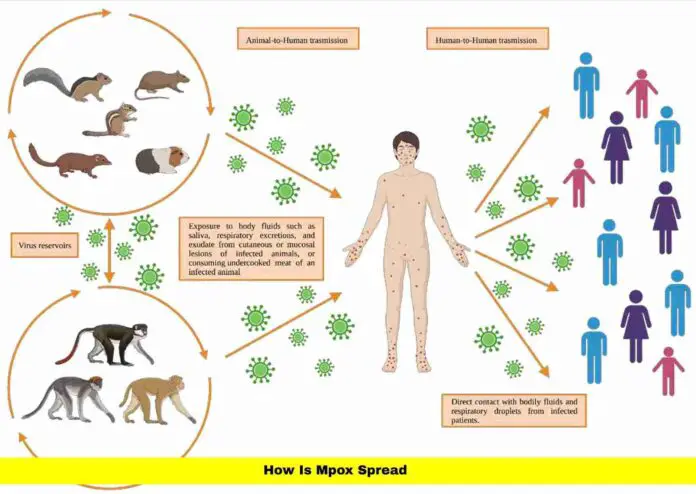
Understanding how is mpox spread is essential as the virus continues to appear in regions outside its usual endemic areas. Mpox, previously called monkeypox, is a viral infection that can spread through several routes. Awareness of these transmission methods and preventive strategies is crucial to protect yourself and your community.
Table of Contents
Direct Physical Contact: The Most Common Transmission Route
Mpox spreads primarily through close physical contact with an infected individual. This includes skin-to-skin contact with lesions or rashes, which is the most common method of transmission. Activities such as kissing or sexual contact can also spread the virus due to exposure to skin or bodily fluids.
Prolonged face-to-face interactions may result in respiratory droplet transmission. The virus is most contagious when symptoms, especially rashes and lesions, are visible. Avoiding contact with anyone showing signs of infection is the most effective way to reduce the risk of transmission.
Indirect Transmission Through Contaminated Objects
Mpox can survive on contaminated objects, making indirect transmission possible. Bedding, clothing, towels, and personal items like toothbrushes or razors can carry the virus. Touching these items and then contacting your eyes, nose, or mouth can result in infection.
Household surfaces such as countertops, electronics, or furniture can also harbor the virus if touched after contamination. Regular cleaning, disinfecting surfaces, and laundering personal items are essential to minimize the spread of mpox through these routes.
Animal-to-Human Transmission
Mpox is a zoonotic virus, meaning it can transmit from animals to humans. While this form of transmission is less common in recent outbreaks, it remains significant in endemic regions. The virus can spread through bites or scratches from infected animals, handling or preparing meat from infected animals, or consuming undercooked meat.
People who live in or travel to regions with endemic mpox, such as Central and West Africa, are at higher risk. Avoiding contact with wild animals and ensuring proper cooking of meat can prevent animal-to-human transmission.
Transmission From Mother to Child
Vertical transmission is another important route for mpox. The virus can spread from a pregnant individual to the fetus during pregnancy or to the newborn during or shortly after birth. This form of transmission can cause complications for both mother and child, highlighting the need for pregnant individuals to avoid exposure to anyone showing symptoms.
Potential for Presymptomatic Spread
Emerging evidence indicates that mpox may spread even before symptoms appear. Individuals in the presymptomatic stage may unknowingly transmit the virus through close contact. This underscores the importance of avoiding exposure to anyone potentially infected, even if they appear healthy, and maintaining hygiene practices.
High-Risk Situations for Mpox Transmission
Certain behaviors and environments increase the likelihood of contracting mpox. Individuals should be particularly cautious in situations such as:
- Sexual activity with multiple partners, especially if any partner shows symptoms.
- Close living quarters, like dormitories, shelters, or communal housing.
- Healthcare settings where infection control measures may be inadequate.
- Traveling to areas with known mpox cases, increasing potential exposure to infected individuals or animals.
Recognizing these high-risk scenarios helps in implementing practical preventive measures and reducing overall exposure.
Symptoms and Contagious Period
Understanding the infectious phase of mpox is crucial to preventing spread. Individuals are most contagious during the symptomatic period, particularly when rashes and lesions are present. Early symptoms such as fever, headache, and swollen lymph nodes may precede visible rashes, but viral transmission primarily occurs after lesions develop.
Prompt identification of symptoms allows for timely isolation and treatment, reducing the chance of spreading the virus to others.
Preventive Measures to Limit Spread
Preventing mpox requires a combination of hygiene, awareness, and precautionary measures. Key strategies include:
- Avoiding close contact with anyone showing signs of infection.
- Practicing safe sexual behaviors, including using condoms and limiting partners.
- Regularly disinfecting personal items and surfaces, particularly those that may have come into contact with infected individuals.
- Vaccination, when recommended by health authorities, especially for high-risk populations.
- Seeking medical care promptly if symptoms appear, ensuring early diagnosis and containment.
Following these steps significantly lowers the risk of infection and helps protect the wider community.
Community Awareness and Education
Education is a powerful tool in preventing mpox transmission. Communities should be informed about how mpox spreads, symptoms to watch for, and ways to protect themselves. Awareness campaigns, particularly in high-risk areas or populations, help reduce the spread of misinformation and encourage prompt medical attention when needed.
Open communication about symptoms and exposure can also reduce stigma, making it easier for individuals to take precautions without fear.
The Role of Vaccination in Controlling Spread
Vaccination can play a crucial role in preventing mpox outbreaks. Targeted immunization for high-risk groups—such as healthcare workers, close contacts of infected individuals, and travelers to endemic areas—can curb transmission. Vaccines stimulate the immune system to fight off the virus, reducing both infection rates and severity of illness in breakthrough cases.
Public health authorities continue to monitor vaccine effectiveness and recommend updates based on the latest epidemiological data.
Long-Term Strategies to Prevent Mpox Spread
Preventing mpox is not limited to individual actions; long-term strategies involve coordinated public health efforts. These include:
- Monitoring and reporting cases promptly to identify and contain outbreaks.
- Strengthening infection control in healthcare and communal living environments.
- Conducting research on viral transmission patterns to inform guidelines.
- Promoting safe practices for handling animals in endemic regions.
Sustained awareness and preventive measures at both personal and community levels are essential to keep mpox under control.
Conclusion
Understanding how is mpox spread is key to protecting yourself and your community. From direct physical contact and contaminated objects to animal interactions and mother-to-child transmission, the virus can spread through multiple pathways. Being aware of risk factors, practicing hygiene, avoiding contact with infected individuals, and following public health guidance are vital steps in limiting transmission.
By staying informed and taking precautions, individuals can play an active role in preventing mpox and safeguarding public health. Awareness, vigilance, and proactive measures remain the most effective tools in controlling this viral infection.

