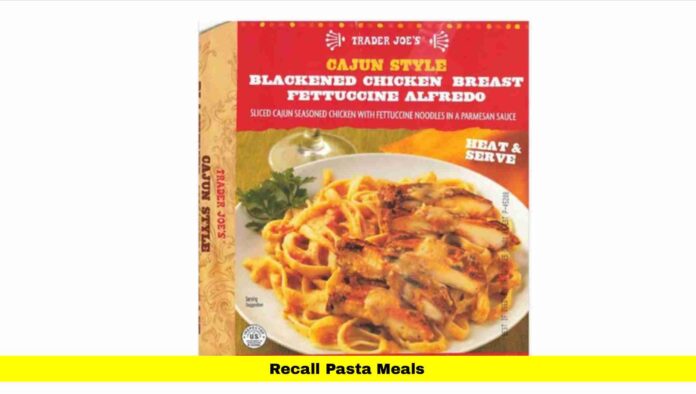
Recall pasta meals have triggered a nationwide alarm after being linked to a deadly Listeria monocytogenes outbreak in the United States. Several people have fallen ill, and multiple deaths have been reported, leading the Food and Drug Administration (FDA) and Centers for Disease Control and Prevention (CDC) to issue urgent warnings. The outbreak has exposed serious vulnerabilities in the food production chain, particularly in pre-packaged and ready-to-eat meals that millions of Americans rely on.
Table of Contents
How the Recall Began
The recall of pasta meals began when routine food safety inspections detected traces of Listeria monocytogenes in pre-cooked pasta produced by Nate’s Fine Foods, a California-based supplier. The discovery was made during a random quality control test, prompting a broader investigation into the company’s distribution network. Investigators soon found that the contaminated pasta had been used as an ingredient in a wide variety of ready-to-eat meals sold by popular grocery chains nationwide, including Trader Joe’s, Kroger, Walmart, and Sprouts Farmers Market.
As soon as reports of illness started to surface, Nate’s Fine Foods voluntarily recalled approximately 245,000 pounds of pre-cooked pasta. The affected items had been shipped to retailers across the country, many of which used the pasta in private-label products. Consumers were urged to check their refrigerators and freezers immediately, as some of the contaminated items had long shelf lives and could still be in homes.
Scope of the Recall and Impacted States
The recall pasta meals have affected at least 18 states across the U.S., with dozens of people hospitalized and several deaths confirmed. States reporting cases include California, Oregon, Washington, Texas, Illinois, Georgia, and Florida. The outbreak has quickly become one of the most widespread Listeria-related food recalls in recent years.
The recalled items include a range of refrigerated and frozen pasta dishes, such as Trader Joe’s Cajun Style Chicken Alfredo, Sprouts Smoked Mozzarella Pasta Salad, Kroger Basil Pesto Bowtie Pasta Salad, and Scott & Jon’s Shrimp Scampi Linguine Bowls. These products carried “Use By” dates extending well into 2025, meaning many could still be in consumer storage. Officials have emphasized the importance of checking product labels carefully, as the same pasta base was used in multiple brand-name and private-label meals.
Understanding the Dangers of Listeria Contamination
Listeria monocytogenes is a harmful bacterium that causes the infection known as listeriosis. Unlike many other bacteria, Listeria can survive and even multiply at refrigerator temperatures, which makes cold foods like salads, deli meats, and pre-cooked pasta particularly risky. Once consumed, Listeria can cause symptoms such as fever, muscle aches, nausea, and diarrhea.
For pregnant women, newborns, the elderly, and individuals with weakened immune systems, Listeria can lead to severe and sometimes fatal complications, including bloodstream infections, meningitis, and pregnancy loss. One of the challenges of managing Listeria outbreaks is its long incubation period, which can range from a few days to several weeks. This delay often complicates the process of identifying contaminated products in time to prevent illness.
Because of this, health officials expect more cases to emerge even after the contaminated pasta has been removed from store shelves.
Retailers’ Response to the Recall
Major retailers acted quickly after being informed of the contamination. Stores such as Trader Joe’s, Kroger, and Sprouts Farmers Market immediately removed all potentially affected pasta meals from their shelves and online inventories. They also issued public alerts via email, websites, and social media to inform customers about the specific items involved in the recall.
Customers were instructed to check their purchase history or receipts to identify recalled products. Many retailers set up dedicated recall hotlines and refund policies to assist consumers who had purchased the affected meals. Some stores, such as Kroger, also enhanced their app-based barcode scanning tools, allowing users to verify whether their purchased items matched the recall list.
The prompt response from retailers helped limit further distribution, though by the time the recall was announced, much of the contaminated pasta had already reached consumers.
The Role of Nate’s Fine Foods in the Crisis
Nate’s Fine Foods, a major pre-cooked pasta supplier, has taken full responsibility for initiating the recall. The company released a statement expressing deep regret for the incident and confirmed that all production at its Sacramento facility had been temporarily suspended. The facility is now undergoing extensive sanitation and testing procedures.
Early investigations suggest that the contamination may have occurred due to inadequate cleaning and cross-contamination within processing equipment. Although Listeria is common in natural environments like soil and water, it can persist in food manufacturing plants if sanitation systems fail to eliminate bacteria from machinery or surfaces. Nate’s Fine Foods has brought in third-party food safety experts to inspect the plant and help implement corrective measures.
Government Oversight and Ongoing Investigation
The FDA and CDC have launched a joint investigation to identify the root cause of the outbreak. Inspectors have collected samples from the manufacturing plant, storage facilities, and retail stores that sold the contaminated pasta. Early results suggest that the Listeria strain found in the recalled pasta matches the genetic profile of bacteria isolated from infected patients, confirming a direct link.
The FDA has also expanded testing to other facilities that received pasta from Nate’s Fine Foods to ensure the contamination has not spread to additional supply chains. Meanwhile, the U.S. Department of Agriculture (USDA) has issued updated guidelines requiring stricter cleaning procedures, temperature controls, and batch testing for all pre-cooked and ready-to-eat food manufacturers.
This investigation has reignited public debate about food safety oversight and the challenges regulators face in monitoring large-scale food production systems.
Consumer Safety: What You Should Do
Health officials are urging consumers to take the recall seriously and to act immediately if they believe they have purchased any of the affected pasta products. The first step is to check product packaging and confirm the lot numbers listed in the official recall notice. Consumers should not attempt to taste or smell the product to determine whether it’s safe, as Listeria contamination is undetectable through appearance or odor.
Any potentially contaminated product should be sealed in a plastic bag and discarded in the trash. Surfaces, shelves, or containers that may have come into contact with the food should be thoroughly cleaned and disinfected.
Individuals who consumed the recalled pasta and are experiencing symptoms such as fever, headache, muscle aches, or digestive distress should seek medical attention immediately. Those in high-risk groups, including pregnant women and seniors, should contact their healthcare provider even if symptoms are mild.
Wider Implications for Food Safety
The recall pasta meals outbreak highlights growing concerns about the safety of pre-packaged foods. As convenience becomes a higher priority for consumers, food manufacturers are producing larger volumes of ready-to-eat products under tight deadlines. This can lead to lapses in sanitation, inadequate quality checks, and cross-contamination between production batches.
The outbreak also underscores the need for stronger supply chain transparency. Many grocery brands use shared ingredient suppliers, meaning a single contaminated batch can affect dozens of different products across the country.
Experts have called for greater investment in real-time contamination detection technologies, including sensors and AI systems that can identify pathogens before products leave the factory. In addition, public health advocates are urging the FDA to modernize its recall notification systems so consumers can receive faster and more direct alerts, such as text messages or app notifications, when dangerous products are identified.
Economic Fallout of the Recall
The financial impact of the recall has been significant for both suppliers and retailers. The cost of recalling, destroying, and refunding thousands of products could exceed tens of millions of dollars. Smaller brands that relied on Nate’s Fine Foods as their pasta supplier have also suffered operational setbacks, with some temporarily suspending their product lines.
In addition to immediate financial losses, the industry faces a decline in consumer confidence. Many shoppers have become wary of pre-cooked and ready-to-eat pasta meals, prompting retailers to increase testing and sanitation procedures to reassure customers of product safety.
Health Experts’ Recommendations
Food safety experts recommend several steps consumers can take to minimize the risk of foodborne illness. Keeping refrigerators at or below 40°F (4°C) is essential to slow bacterial growth. Kitchen surfaces should be cleaned regularly, and leftovers should be reheated to an internal temperature of at least 165°F before eating.
Experts also emphasize that consumers should stay informed by subscribing to recall alerts through official channels like the FDA and USDA websites. Avoiding outdated or expired refrigerated meals can also significantly reduce risk.
Preventing Future Outbreaks
In response to this incident, regulators and manufacturers are expected to implement more rigorous testing and sanitation standards. The FDA is expanding its routine environmental monitoring programs and plans to increase the number of random facility inspections for high-risk food producers.
Manufacturers are being encouraged to adopt continuous monitoring technology, which can detect bacterial growth in real time. Improved traceability systems using blockchain technology are also being explored to help track ingredients from source to shelf, making it easier to isolate contamination when it occurs.
Conclusion
The recall pasta meals outbreak serves as a stark reminder of how fragile the food supply chain can be and how a single oversight can lead to nationwide consequences. Listeria monocytogenes remains one of the most dangerous foodborne pathogens, and its ability to survive in cold environments makes pre-cooked and ready-to-eat foods particularly vulnerable.
As the FDA, CDC, and food manufacturers continue to investigate and strengthen food safety practices, consumers must stay informed and vigilant. Checking recall notices, discarding unsafe products, and practicing safe food handling habits are simple yet powerful steps in preventing further illness.
Food safety is not just the responsibility of regulators—it’s a shared commitment between producers, retailers, and consumers to ensure that every meal served is safe and healthy.

