The CT elections 2025 showcased the active engagement of voters across Connecticut as they decided local leadership for towns, cities, and school boards. Held on November 4, 2025, these elections highlighted shifts in political control, growing voter participation, and the influence of local issues such as education, property taxes, and public safety on election outcomes.
Table of Contents
Overview of CT Elections 2025
The CT elections 2025 primarily focused on municipal and local offices rather than statewide positions. Residents voted for mayors, first selectmen, city councils, boards of education, and other local governing bodies. The elections offered an opportunity for citizens to directly influence decisions affecting their communities, from school budgets to infrastructure projects. Connecticut’s expanded early voting and absentee ballot options provided voters with greater flexibility, contributing to smoother polling operations and higher participation compared to previous cycles.
Voter Turnout and Participation
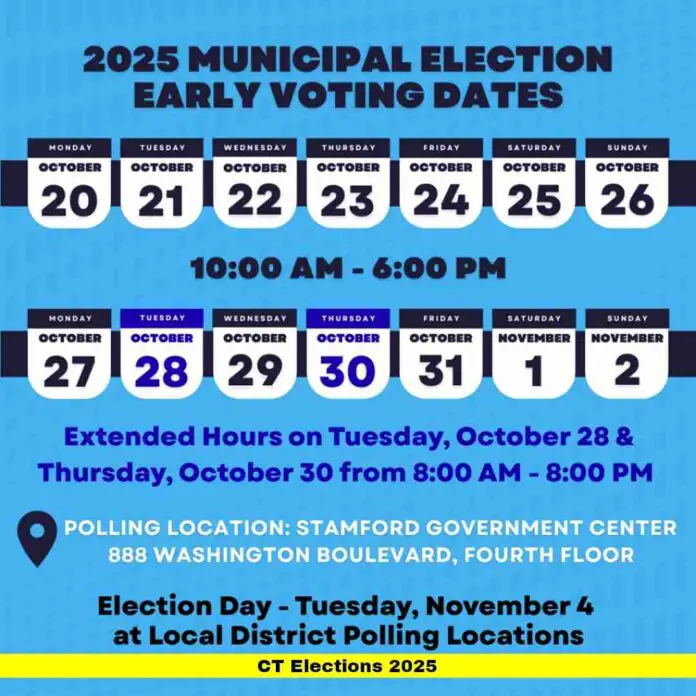
Voter engagement in the CT elections 2025 was notably strong. Early voting, which ran from October 20 to November 2, allowed residents to cast ballots before Election Day, while same-day registration helped first-time voters participate. Young voters and first-time participants contributed to the surge in turnout. Many residents cited local issues such as education funding, property tax concerns, and infrastructure development as motivating factors for their engagement. Overall, the higher participation reflected a growing interest in community-level governance and decision-making.
Key Election Results
The CT elections 2025 revealed several important trends. Democrats made gains in multiple urban and suburban areas, flipping seats in cities such as New Britain, Norwich, and Westport. In Danbury, incumbent Democrat Roberto Alves won re-election as mayor, defeating his Republican challenger. Other towns, such as Stratford, saw Democrats reclaiming mayoral offices and securing additional council seats. Meanwhile, Republicans maintained control in several rural and traditionally conservative towns, particularly in Litchfield and Windham counties. Independent candidates and non-partisan figures also performed well in smaller towns, demonstrating voter preference for local problem-solving over party affiliation.
Notable Mayoral and Municipal Races
Several mayoral contests drew significant attention during the CT elections 2025. In Stratford, Democrat Dr. David Chess defeated the Republican incumbent, also helping Democrats secure majorities on the town council and school board. In Stamford, incumbent Democrat Caroline Simmons won re-election decisively, capturing approximately two-thirds of the vote and helping her party maintain full control of the city’s Board of Representatives. In New Fairfield, Democrat Pat Del Monaco reclaimed the First Selectman’s office from the Republican incumbent, marking a shift in local leadership. Smaller towns such as Shelton saw Republican incumbents retain office, highlighting regional political diversity.
Key Issues Influencing Voters
The CT elections 2025 were shaped by local concerns rather than national politics. Education was a primary focus, with voters expressing interest in school funding, infrastructure upgrades, and teacher recruitment. Property taxes and local budgets also influenced many races, as residents sought candidates committed to fiscal responsibility and transparent governance. Public safety and infrastructure were additional priorities, with urban areas emphasizing policing and emergency services, while smaller towns focused on road maintenance and municipal services. Charter changes and ethics reforms were on the ballot in several communities, reflecting voter interest in government transparency and accountability.
Party Performance and Political Trends
Democrats experienced notable gains in urban and suburban municipalities, flipping key offices previously held by Republicans. Republicans maintained strength in certain rural and suburban towns, especially where incumbents had long-standing support. Independent and non-partisan candidates were increasingly successful in smaller towns, reflecting voter interest in local problem-solving rather than strict party alignment. The expanded early voting process contributed to higher engagement, particularly among younger voters and first-time participants. These trends suggest a Connecticut electorate focused on competence, transparency, and community impact over party identity alone.
Implications for Connecticut Politics
The outcomes of the CT elections 2025 carry significant implications for the state’s political landscape. Local leadership sets the stage for policy development, budget priorities, and community initiatives. Municipal victories can provide momentum for candidates considering higher office in future state and federal elections. Towns that experienced shifts in political control are likely to see changes in local policies regarding schools, taxation, and development. The elections also indicate a renewed interest in civic engagement, with voters demonstrating the importance of their voices in shaping local governance.
Early Voting and Accessibility
Connecticut’s expanded early voting program played a key role in the CT elections 2025. Voters could cast ballots over multiple days, reducing congestion at polling stations and increasing convenience. Early voting was particularly popular among younger residents and first-time voters, contributing to higher overall participation. The success of these initiatives may encourage future legislation to further expand access, including weekend voting and additional polling locations in larger municipalities.
Community Reactions and Voter Sentiment
Post-election reactions indicated a mix of optimism and cautious anticipation among Connecticut residents. Many praised the smooth voting process and increased engagement from young voters, while others expressed concern about property taxes, school funding, and the cost of living. Newly elected officials are expected to address these challenges promptly, and voters will closely monitor their performance in the coming months. The results highlight the direct impact local leadership has on daily life and the importance of active community participation.
Looking Ahead
The conclusion of the CT elections 2025 signals the start of a new chapter for local governance. Newly elected mayors, first selectmen, and council members will take office and begin implementing policies that directly affect residents. Voter attention will remain high, with citizens monitoring progress on education, budgeting, public safety, and infrastructure projects. The outcomes also serve as an indicator for future statewide and federal elections, showing how local issues and voter engagement trends may influence larger political contests.
Summary of CT Elections 2025
- Election Date: November 4, 2025
- Focus: Municipal offices including mayors, first selectmen, city councils, and school boards
- Key Results: Democrats gained control in several urban and suburban towns; Republicans held some rural strongholds; independents performed well in small towns
- Main Issues: Education, property taxes, local budgets, public safety, and government transparency
- Voter Engagement: Increased early voting and absentee ballot usage; higher participation among young voters and first-time participants
- Implications: Potential shifts in local policy, groundwork for future state and federal races, and evidence of growing voter involvement
Final Thoughts
The CT elections 2025 demonstrate the power and importance of local democracy. From school boards to town councils, voters made their voices heard on issues that directly affect their daily lives. With higher participation, shifts in party control, and a focus on practical governance, Connecticut’s political landscape is showing signs of renewal. Residents are encouraged to remain engaged, observe how new leaders perform, and participate actively in shaping the future of their communities. What were the outcomes in your town, and how do you feel about the new local leadership? Share your perspective and continue following the evolving political scene in Connecticut.

