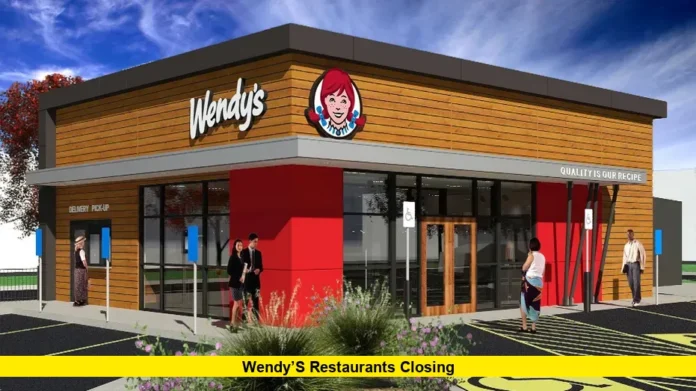
The phrase “Wendy’s restaurants closing” has stirred a wave of curiosity and concern across the United States. For decades, Wendy’s has been a staple of American fast food culture—known for its square burgers, Frosty desserts, and “fresh, never frozen” beef promise. But in 2025, the chain is undergoing one of its biggest transformations in years, involving the closure of hundreds of restaurants across the country.
This move isn’t a sudden downfall or financial collapse—it’s a calculated step in a larger modernization plan aimed at strengthening the brand’s long-term position. Here’s a closer, in-depth look at why Wendy’s is closing so many locations, what it means for employees and customers, and what the future holds for the fast-food favorite.
Table of Contents
The Latest on Wendy’s Restaurants Closing
As of late 2025, Wendy’s has confirmed that it will close between 200 and 350 restaurants across the United States through 2026. These closures follow an earlier phase completed in 2024, during which approximately 140 Wendy’s locations were permanently shut down.
In total, this means nearly 500 restaurants will have closed within a two-year span—a noticeable but strategic reduction for a company that operates around 6,000 U.S. stores.
Executives describe the closures as part of a larger project known as “Project Fresh”, designed to phase out older, underperforming restaurants and redirect investment toward modernized locations and new markets.
While many of these closures involve franchise-operated restaurants, Wendy’s corporate leadership is guiding the overall process to ensure consistency with its long-term vision.
Why Wendy’s Is Closing Locations
Wendy’s closures are not random—they’re part of a deliberate restructuring process. The company’s leadership has emphasized several clear reasons for the move:
1. Underperforming Stores
Many of the restaurants being closed have seen declining sales and foot traffic in recent years. With growing competition from fast-casual brands and the rise of digital-first dining, some older Wendy’s locations have struggled to keep up.
2. Aging Buildings and Outdated Formats
Several Wendy’s restaurants were built decades ago and require costly upgrades to meet the company’s current design standards. Instead of renovating every location, Wendy’s has chosen to close stores that would be too expensive to modernize.
3. Market Overlap
In some urban or suburban areas, there are multiple Wendy’s locations within just a few miles of each other. Consolidating these into one high-performing store helps reduce costs and streamline operations.
4. Shifting Consumer Behavior
The fast-food industry has changed dramatically. Customers now prefer quick service through drive-thrus, mobile ordering, and delivery apps. Some older dine-in focused restaurants are no longer as profitable as those optimized for digital sales.
5. Reallocation of Resources
Wendy’s plans to reinvest money saved from closures into building new “Next Generation” stores that better serve modern customers.
How Many Stores Are Closing and Where
The company hasn’t released a full list of affected restaurants, but closures have been confirmed or observed in multiple states. Locations in the Midwest, the South, and parts of the West Coast have seen significant reductions.
The closures appear to be spread across both corporate-owned and franchise-operated locations, suggesting a nationwide realignment rather than a focus on any one region.
In major cities, some restaurants are closing temporarily for remodels or relocating to busier intersections. In smaller towns, closures often mean a permanent exit from the area.
The Numbers Behind the Shift
| Metric | Figure | Description |
|---|---|---|
| Total U.S. Wendy’s Restaurants | ~6,000 | Current national footprint |
| Estimated Closures (2025–2026) | 200–350 | Strategic downsizing under “Project Fresh” |
| Prior Closures (2024) | 140 | Completed shutdowns of outdated stores |
| Net Change (2024–2026) | ~500 closures total | Balanced by new openings |
| Planned New Openings | 250–300 | Focused on modern, digital-first stores |
Wendy’s goal is not to shrink permanently, but to rebalance its network by replacing older, slower stores with newer, more profitable ones.
Impact on Employees and Communities
Each Wendy’s location typically employs around 25 to 40 people. With hundreds of closures underway, this could affect thousands of workers across the U.S.
However, Wendy’s has emphasized that employees at closing locations will be given opportunities to transfer to nearby restaurants whenever possible. Franchise owners are being encouraged to retain experienced staff through relocation or retraining.
For communities, especially in small towns or rural areas, these closures may be more noticeable. In some places, Wendy’s may be the only major fast-food restaurant, so its absence could impact local dining options and small-scale employment.
Despite this, Wendy’s insists that the closures are part of a longer-term plan to strengthen its system and make room for newer, more sustainable locations.
Wendy’s “Next Generation” Stores: The Future Vision
While many are focusing on closures, Wendy’s is simultaneously investing heavily in its Next Generation restaurant model—a new design that blends technology, efficiency, and modern customer experience.
Here’s what to expect from these new locations:
- Dual Drive-Thru Lanes: To handle mobile orders and speed up service times.
- Dedicated Pickup Zones: For third-party delivery and mobile order pickup.
- Digital Menu Boards: Customizable menus that can change by time of day or promotions.
- Smaller Dining Rooms: Reflecting the shift toward takeout and delivery.
- Energy Efficiency: LED lighting, better insulation, and updated kitchen equipment.
These stores aim to reduce operating costs and improve profitability while offering a faster, more seamless experience for customers.
Wendy’s expects to open 300 or more new or remodeled locations over the next two years.
Franchise Reactions and Market Adjustments
Franchise owners—who operate the majority of Wendy’s restaurants—have mixed reactions. Some welcome the closures as a necessary cleanup of underperforming sites that hurt brand averages. Others express concern about losing established community presence.
The company is working closely with franchisees to identify which locations to close, remodel, or relocate. Wendy’s has introduced new financial incentives to help franchise owners remodel existing stores or open new Next Generation ones.
This alignment between corporate and franchise operations is critical to the success of the transformation.
Customer Experience and Menu Consistency
For Wendy’s customers, the closure wave may cause short-term inconvenience in some areas. However, many are already noticing the benefits of the brand’s modernization push.
Newer Wendy’s restaurants are faster, cleaner, and offer better digital integration—especially for customers who prefer mobile ordering or delivery apps. The company continues to roll out menu innovations, such as seasonal sandwiches, premium chicken items, and breakfast options.
Even as some doors close, Wendy’s remains focused on improving the overall dining experience at its remaining locations.
Wendy’s Closures in Context
Wendy’s isn’t the only major fast-food brand making these moves. In recent years, several major chains—including McDonald’s, Subway, and Burger King—have also closed hundreds of underperforming locations while expanding or remodeling others.
This trend reflects a broader shift in the fast-food industry: modernization through selective downsizing.
As labor costs rise and digital sales dominate, brands are choosing to close weaker restaurants and reinvest in tech-forward operations. Wendy’s is following the same playbook—trimming the excess while fueling growth in stronger markets.
Looking Ahead: The Next Chapter for Wendy’s
Wendy’s leadership remains optimistic about the future. The chain’s core performance remains solid, with strong brand recognition, loyal customers, and growing digital sales.
Here’s what to expect in the coming years:
- Completion of the 2025–2026 Closures: Remaining low-performing stores will be phased out gradually.
- Increased Investment in Technology: Expect continued focus on mobile orders, app-based loyalty programs, and drive-thru innovation.
- Menu Expansion: Wendy’s will likely continue testing new breakfast and premium items.
- Global Expansion: While some U.S. stores close, Wendy’s is expanding internationally, especially in Canada and Europe.
- Focus on Sustainability: New buildings are designed for better energy efficiency and reduced waste.
In short, Wendy’s is reshaping its operations—not retreating.
Conclusion: What Wendy’s Closures Really Mean for Customers
The news of Wendy’s restaurants closing has sparked plenty of concern, but it’s essential to view these changes in perspective. Wendy’s isn’t disappearing—it’s evolving.
These closures mark the end of an older chapter for many long-standing locations but the beginning of a new era focused on innovation, technology, and better customer experience.
The next time you visit a Wendy’s, you might notice a faster drive-thru, digital menus, or a sleeker design—all signs of a company adapting to modern expectations.
Have you seen a Wendy’s close or reopen in your area? Share your experience or thoughts below and let us know how these changes are affecting your community.

