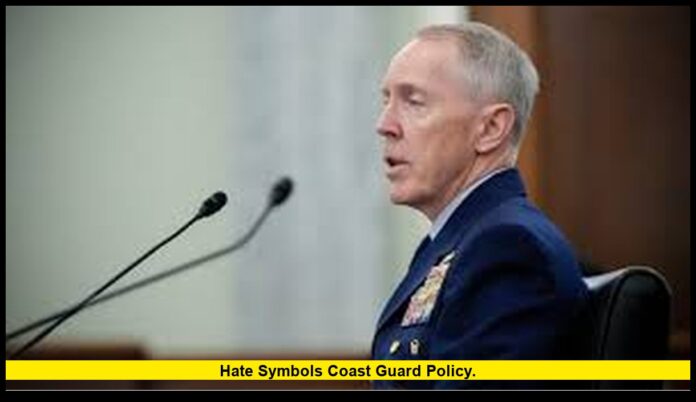
Hate symbols Coast Guard policy has undergone significant and highly visible changes in November 2025, placing the service at the center of a national conversation about extremism, workplace safety, and military accountability. The most recent updates clarify that symbols such as swastikas, nooses, and other hate-linked imagery remain strictly prohibited throughout all Coast Guard facilities and operations. The new directive restores the explicit language that many felt had been weakened only weeks earlier, bringing renewed clarity to how the service handles extremist or threatening imagery.
Table of Contents
How the Controversy Began
The issue escalated when the Coast Guard released a revised harassment and conduct manual that shifted from directly identifying swastikas, nooses, and similar imagery as “hate symbols” to categorizing them as “potentially divisive symbols.” That wording immediately sparked widespread concern.
Military members, veterans, civil rights organizations, and lawmakers took issue with the updated phrasing. Many argued that there is nothing “potentially divisive” about a symbol directly tied to racism, antisemitism, or violent extremism. The revised language raised questions about enforcement and whether the Coast Guard was taking a softer stance at a time when hate incidents and extremist recruitment efforts are growing concerns nationwide.
The public response was immediate and forceful, prompting Coast Guard leadership to reexamine the wording, intent, and potential impact of the policy.
The New Lawful Order Restoring the Ban on Hate Symbols
Within days, the Coast Guard issued a new service-wide lawful order specifically prohibiting hate symbols on all bases, ships, aircraft, offices, and workspaces. The directive was unambiguous: hate symbols and divisive imagery have no place in the service and will not be tolerated in any form.
This new order:
- Reinforces that swastikas, nooses, and symbols used by hate-based groups are prohibited.
- Requires immediate removal of these symbols when found in any Coast Guard setting.
- Applies to all personnel, including active duty, reservists, auxiliary members, and civilian employees.
- Ensures the Confederate battle flag remains banned except for narrow historical or educational contexts.
- Directs leadership to act promptly when prohibited imagery appears, treating it as a conduct issue with clear consequences.
This reinstated language strengthens oversight and restores certainty for both leaders and service members.
Why the Language Change Created Concern
The brief shift from “hate symbols” to “potentially divisive symbols” was viewed as more than a vocabulary issue. It raised questions about how incidents would be classified and whether victims of harassment would have a more difficult path toward reporting harmful displays.
Several key worries emerged:
- The change could minimize the severity of certain symbols.
- It risked undermining the emotional safety of personnel who have historically been targeted by such imagery.
- It potentially blurred the lines for leaders tasked with enforcing conduct standards.
- It created uncertainty on Coast Guard cutters, small stations, and training commands where strong unit cohesion is essential.
Many service members expressed concern that the shift appeared to pull back from long-standing military norms around extremist imagery. Restoring clear language helped address those fears.
How the Coast Guard Currently Defines Hate Symbols
Under the latest policy, the Coast Guard identifies hate symbols as items that reflect violence, intimidation, or discrimination tied to extremist ideology, race, religion, or ethnicity. These symbols are prohibited regardless of context, explanation, or claimed intent.
Examples include:
- Swastikas
- Nooses
- Imagery used by neo-Nazi, white supremacist, or hate-based groups
- Flags or patches associated with racially violent movements
- Symbols historically linked to oppression or campaigns of hate
The updated order intentionally avoids an exhaustive list so that the service can address emerging imagery adopted by extremist organizations without needing repeated manual revisions.
How Leaders Are Required to Enforce the Policy
The Coast Guard has made clear that enforcement of the hate symbol ban is not optional. Leaders at all levels must take immediate action if prohibited imagery is displayed or shared within a workspace, unit, or online setting connected to official duties.
The enforcement structure includes:
- Prompt removal of prohibited symbols.
- Documentation of the incident as required by command guidance.
- Determination of intent when appropriate, though removal is mandatory regardless.
- Potential administrative or disciplinary measures depending on severity and circumstances.
- Required training or counseling for personnel involved in lesser violations.
By reinforcing responsibility on the command level, the Coast Guard aims to ensure consistent implementation across all units, including remote boat crews and small shore facilities.
Why the Policy Matters for Service Members
For Coast Guard members, clarity on this issue affects morale, trust, and unit cohesion. Many serve in high-pressure environments where teamwork is vital—search and rescue deployments, maritime security missions, and drug interdiction operations. The presence of hate symbols in any form can damage the working environment and erode the sense of safety and respect necessary for operational success.
The renewed policy supports members by:
- Ensuring they do not encounter racist or extremist threats in the workplace.
- Reinforcing values of dignity, respect, and equal treatment.
- Holding the service accountable to national standards on extremism in the armed forces.
- Strengthening unit readiness by removing distractions and divisive imagery.
- Ensuring that victims of harassment have clear ground for reporting harmful incidents.
The Coast Guard’s update reflects a commitment to the well-being of every individual who serves.
Why the Issue Draws National Attention
The debate surrounding hate symbols Coast Guard policy extends beyond the service itself. In recent years, concerns about extremist activity within the U.S. military and law enforcement have become a recurring topic in public policy discussions. Government agencies, congressional committees, and civil rights organizations continue monitoring how the armed services address such risks.
The Coast Guard’s visible reversal from softened language to a stronger ban reflects broader national expectations for transparency, accountability, and safety within uniformed services. It also places the service in alignment with ethical standards upheld across the Department of Defense.
What Comes Next
The new ban resolves the immediate controversy, but it also foreshadows additional steps the service may take in the months ahead:
- Updated training outlining prohibited imagery and reporting pathways.
- Possible data tracking on incidents involving extremist symbols.
- Community engagement to reinforce Coast Guard values.
- Continued communication from leadership to maintain clarity.
- Potential coordination with other military branches to maintain consistency across services.
For now, the Coast Guard has firmly reestablished its position: hate symbols undermine good order and discipline and have no place in its ranks.
If you have thoughts on how military branches should address extremist imagery or experiences connected to this topic, feel free to share your perspective in the comments and check back for future updates.

