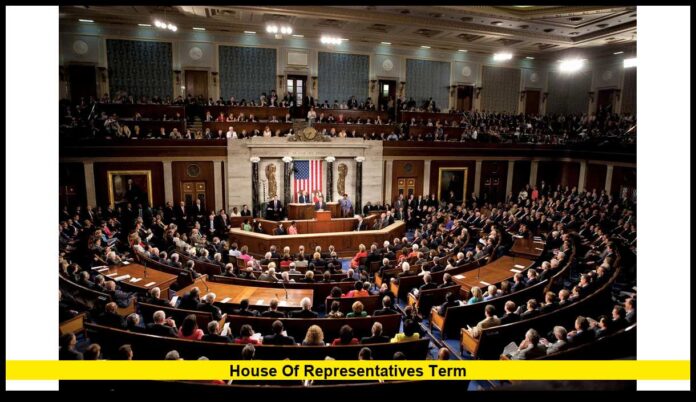
The house of representatives term lasts two years and shapes how often voters can decide who represents them in Washington. This structure affects how campaigns operate, how policy agendas are set, and how frequently the balance of political power can change.
What the Constitution Establishes
The Constitution specifies that members of the U.S. House serve two-year terms. Representatives are elected from congressional districts across the country, with one elected official serving each district. Today, there are 435 voting members in the chamber, and each one faces reelection every two years.
There are no term limits for House members. A representative can continue serving as long as they meet eligibility requirements and keep winning elections. Some serve only one or two terms, while others remain in office for decades.
When a House Term Begins and Ends
Elections for House seats take place in early November of even-numbered years. New terms officially begin on January 3 of the following odd-numbered year.
A two-year term follows this timeline:
- Election: November of an even-numbered year
- Term Start: January 3 of the following year
- Term End: January 3 two years later
For example, the current term of the House began on January 3, 2025, and will end on January 3, 2027. Every member serving now will be on the ballot again in November 2026 if they choose to run.
How the Two-Year Cycle Shapes Representation
Because the house of representatives term is relatively short, it creates frequent accountability. Voters have regular opportunities to reelect lawmakers they support and replace those they feel no longer reflect their priorities.
The two-year cycle also influences how lawmakers operate. Much of their time is divided among legislating, communicating with constituents, and preparing for reelection. This can lead to:
- Close connection with local issues
- Regular public engagement
- More frequent policy shifts after elections
- Intensified campaign focus
The timing gives voters significant influence. Every election can change control of the House, committee leadership, and the national policy agenda.
Current Congressional Control
As of 2025, the House continues to operate with 435 voting members and multiple non-voting delegates. The chamber is controlled by a narrow Republican majority during the 2025–2026 congressional term.
Because the majority is slim, small shifts in competitive districts during the next election could change which party holds leadership positions, shapes committee priorities, and directs federal legislative action.
Term Length vs. Term Limits
Many voters follow discussions about modifying congressional service rules. It is important to distinguish between two concepts:
| Concept | Meaning |
|---|---|
| Term Length | How long one elected term lasts — two years for the House |
| Term Limits | A cap on how many terms someone may serve |
Currently, the United States does not impose federal term limits on House members. Representatives may continue serving if reelected by voters.
Several proposals to establish limits have been introduced over recent years. They have generally suggested caps such as three terms in the House and two in the Senate. However, none have passed the constitutional process required to take effect.
Changing term limit rules would require approval from two-thirds of both chambers and ratification by three-fourths of U.S. states, a challenging process. As of today, no such amendment has been adopted, and the current structure remains unchanged.
Why the Two-Year Structure Still Matters
In 2025, the short term remains one of the most defining features of how the House functions. It ensures that every representative remains closely tied to their voters and regularly accountable at the ballot box.
This schedule means:
- Every House seat is contested every two years.
- Every new Congress reflects the latest election results.
- Political power can shift quickly based on voter sentiment.
The system was designed to keep the chamber responsive and reflective of current public opinion rather than long-term entrenchment.
Looking Ahead to the Next Election Cycle
The next nationwide House election will take place in November 2026, and it will determine who represents each district during the term beginning in January 2027. Campaigns, candidate filings, voter registration efforts, and policy messaging will intensify as that date approaches.
For American voters, understanding how the house of representatives term works can help inform political engagement, voting decisions, and awareness of how national power transitions from one cycle to the next.
Every two years, voters have the opportunity to shape the House and influence the country’s direction, making participation essential and impactful.

