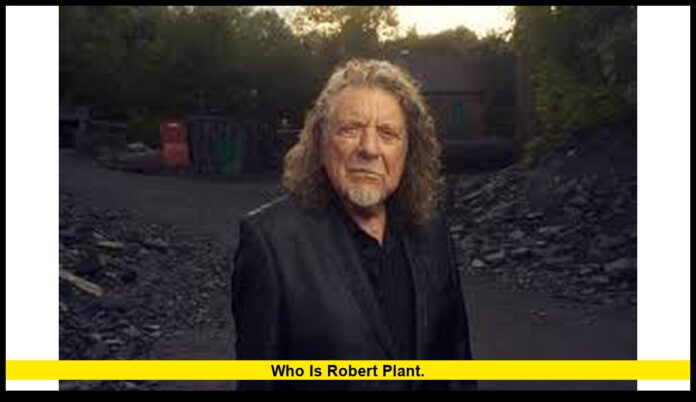
Who is Robert Plant? Robert Anthony Plant is one of the most influential and recognizable vocalists in modern music history. He first rose to fame as the lead singer of Led Zeppelin and has since built a decades-long solo career marked by reinvention, artistic curiosity, and a commitment to exploring diverse musical traditions. Today, he continues to perform, record, and appear in major U.S. media, remaining active well into the current year.
This in-depth article breaks down his life, legacy, and current work, offering a clear, factual, and engaging overview for American readers.
Table of Contents
Early Life and Musical Beginnings
Robert Plant was born on August 20, 1948, in West Bromwich, England, and grew up in Halesowen. From a young age, he gravitated toward blues, early rock ‘n’ roll, and American roots music. These influences shaped his vocal style long before his global breakthrough.
During the mid-1960s, Plant performed with several local bands, building a reputation for his dynamic range and expressive delivery. His commitment to the craft led him through the West Midlands music scene, where he refined his sound and sharpened the stage presence that would later define his career.
Rise to Global Fame with Led Zeppelin
Plant’s musical life changed in 1968 when he met guitarist Jimmy Page. Their collaboration, built on mutual passion for blues and improvisation, led to the formation of Led Zeppelin. The band’s lineup—Robert Plant, Jimmy Page, John Paul Jones, and John Bonham—would become one of the most iconic in rock history.
Plant’s contributions shaped the band’s identity:
- A soaring vocal range that redefined rock singing
- Emotion-driven lyrics inspired by blues, mythology, and folklore
- A stage presence unmatched in intensity and charisma
- Improvisational power that made live performances legendary
Throughout the 1970s, Led Zeppelin released groundbreaking albums, set attendance records, and developed a dedicated global fanbase. Plant’s voice became one of the most recognizable sounds of the era.
A Solo Career Defined by Reinvention
After the group disbanded in 1980, Plant began building a solo career that demonstrated his creative independence. He refused to rely solely on his past achievements, instead embracing new influences and evolving with each project.
Highlights of his solo path include:
- A series of rock and pop-infused albums that showcased a different vocal approach
- Collaborations with artists from diverse genres
- Explorations of world music, Americana, and experimental sounds
- A commitment to pushing his artistry further rather than repeating prior formulas
This willingness to change direction set Plant apart from many of his contemporaries and kept his music relevant across generations.
A Celebrated Collaboration with Alison Krauss
One of Plant’s most acclaimed chapters came from collaborating with American roots singer and musician Alison Krauss. Their partnership revealed a softer, more atmospheric side to Plant’s artistry and introduced him to a new audience.
Together, they blended Americana, folk, and acoustic traditions into a textured, emotionally resonant sound. Their work demonstrated Plant’s ability to adapt, harmonize, and step into a shared musical space built on subtlety and grace.
Saving Grace and His Current Creative Era
Plant’s most recent musical chapter centers on his ensemble Saving Grace. This project leans heavily into acoustic instrumentation, traditional songs, and interpretive performances shaped by folk, blues, and roots influences.
Key elements of this current era include:
- A focus on ensemble harmony rather than lead-driven arrangements
- Songs built on tradition, narrative, and mood
- Performances that highlight vocal nuance over power
- A collaborative spirit that allows each musician equal space
Plant has continued to perform with the group during the past year, bringing this roots-oriented sound to audiences in the U.S. and abroad. His recent televised appearances underscore his active role in shaping and presenting this material.
How His Voice Has Transformed Over the Decades
Robert Plant’s voice remains the centerpiece of his identity. While his early career was marked by high-flying rock vocals, his voice today carries a different strength—one shaped by experience and emotional depth.
Modern characteristics of his singing include:
- Warm, textured midrange tones
- A storyteller’s phrasing
- Expressive control and subtle inflection
- A grounded emotional presence
Instead of attempting to replicate the extremes of his early work, Plant embraces the natural evolution of his voice. His performances highlight refinement, nuance, and interpretive skill.
Impact on Modern Music
Plant’s influence spans far beyond Led Zeppelin. He has shaped genres, inspired countless vocalists, and helped expand the boundaries of rock and folk music. His career stands as a model of longevity built on artistic courage.
His impact is felt in:
- The vocal techniques adopted by generations of rock singers
- The blending of blues, folk, and global influences in contemporary music
- The respect he has earned from musicians across genres
- His commitment to experimentation, even after decades of success
Few artists maintain relevance for more than fifty years. Plant does so by continuing to evolve.
Recognition and Achievements
Over the course of his career, Plant has earned numerous accolades:
- Honors for both his solo work and his contributions with Led Zeppelin
- Industry recognition for collaborative projects
- Career-spanning awards that celebrate his innovations
- A lasting place among the most influential musicians of the modern era
His legacy is built not only on past achievements, but on a continuous willingness to explore new ground.
Current Status and Activities
As of today, Robert Plant continues to:
- Record new music
- Tour with his ensemble
- Participate in televised performances
- Engage with audiences through interviews and live events
His musical journey is ongoing. Plant remains a creator, performer, and artistic explorer—not a figure defined only by his past.
Why People Still Ask “Who Is Robert Plant?”
People continue asking who Robert Plant is for two reasons:
- He spans generations. New listeners encounter him through classic rock, modern collaborations, and recent performances.
- He refuses to be frozen in time. His identity as an artist changes with each chapter, inviting audiences to rediscover him again and again.
Plant is both a historical icon and a current creative force—rare qualities that keep him relevant across eras.
Final Word
Robert Plant’s story is one of transformation, innovation, and lifelong dedication to music. From his groundbreaking years with Led Zeppelin to his thoughtful, roots-driven performances today, he continues to show why he remains one of the most compelling figures in modern music.
If his journey or music has inspired you, feel free to share your thoughts below — your voice adds to the legacy he continues to shape.

