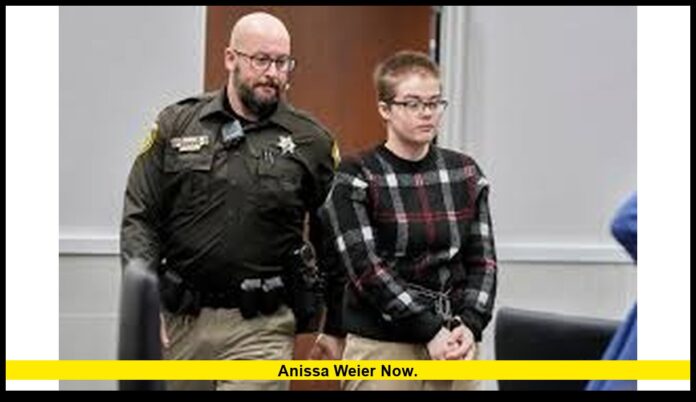
As of late November 2025, former defendant Anissa Weier remains under supervised release following her conditional release in 2021. While she is no longer housed in a forensic psychiatric institution, Weier continues to face serious oversight and legal conditions connected to her involvement in a 2014 stabbing incident.
Table of Contents
Current Status of Anissa Weier
In September 2021, Weier—then 19 years old—was granted supervised release after more than four years in inpatient psychiatric treatment. Her release came with strict conditions and enduring supervision.
Her conditions include, but may not be limited to:
- Living with her father in Wisconsin.
- Wearing GPS monitoring and adhering to movement restrictions between counties.
- Having her internet access and social-media use controlled and closely monitored.
- Continuing required mental-health treatment and court-supervised check-ins.
Since her release, public records show no new legal proceedings or major public incidents tied to her status. That suggests her supervised release remains stable, with no widely reported violations.
Why Her Status Matters
The case of Anissa Weier now draws attention for several reasons:
- She was involved in one of the most high-profile juvenile violent crimes of the 2010s: the May 31, 2014 attack in Waukesha, Wisconsin, when she and a friend lured a classmate into the woods and stabbed her nineteen times.
- Weier was found “not guilty by mental disease or defect” after pleading guilty to a lesser charge. She was committed to a psychiatric institution with a possible sentence of up to 25 years, followed by long-term community supervision.
- Her supervised-release plan is complicated, reflecting both her age at crime (12) and the severity of the act. The public interest remains high in how the criminal-justice and mental-health systems handle such cases over the long term.
Timeline Recap: From Crime to Release
| Date | Event |
|---|---|
| May 31, 2014 | Weier (age 12) and a peer lured classmate Payton Leutner into a wooded area and attacked her; Leutner survived. |
| 2017 | Weier pleaded guilty to attempted second-degree intentional homicide (as a party to the crime) and was found not responsible by reason of mental disease or defect. She was then committed to a forensic psychiatric facility. |
| September 13, 2021 | Weier was released from institutional care under strict supervision; conditions included living with her father, GPS monitoring, and restrictions on internet/social-media use. |
| 2022–2025 | There are no publicly reported major changes or violations in Weier’s supervision plan as of late 2025. |
What We Don’t Know
- There are no publicly disclosed details of any modifications to the terms of Weier’s supervised release—whether her GPS monitoring has been removed or relaxed, or her internet restrictions changed.
- Specifics about her day-to-day mental-health treatment since release are not publicly available.
- There is no public notice of any violation of her release terms or significant legal updates involving her beyond the original supervision plan.
Context and Implications
For U.S. readers following true-crime developments, the significance of “Anissa Weier now” lies in broader issues: how juvenile offenders who commit serious violent acts under the influence of mental illness are handled, monitored, and potentially reintegrated. Her case raises key questions:
- At what point can someone in her situation have monitoring reduced or removed?
- How strictly should internet/social-media restrictions apply in long-term supervised-release cases?
- How are victims and communities informed and kept safe when someone released under supervision lives in the same region?
- How does the system balance rehabilitation versus public safety in high-profile juvenile violent crimes?
Looking Ahead
Although Weier’s status appears stable, her supervisory terms and living situation remain subject to review by courts or mental-health oversight agencies. Any public legal filing—such as a petition to reduce monitoring, request less restrictive conditions, or a violation proceeding—would likely attract renewed media attention.
For now, “Anissa Weier now” means someone living under supervised release in Wisconsin, under stringent conditions, with no major public incident or update reported as of November 2025.
If you’d like, I can monitor upcoming court filings or check whether her supervision conditions have been officially modified—and provide a comparison with similar cases in the U.S.

