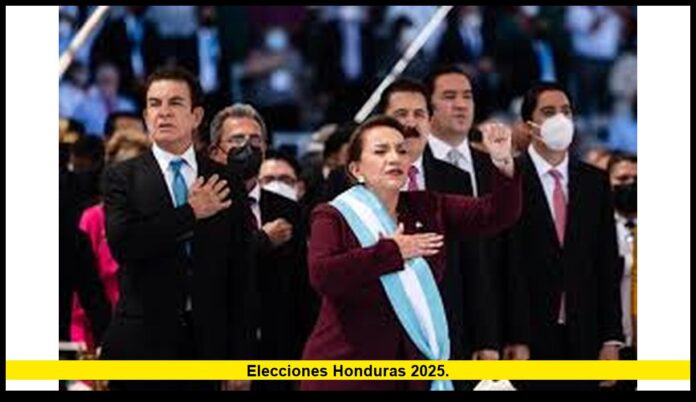
Hondurans went to the polls on November 30, 2025, in a tense and closely watched national election that will determine the successor to President Xiomara Castro. The vote for president, the 128-member National Congress, and hundreds of municipal offices unfolded amid allegations of irregularities, strong security measures, and heightened international attention. The elecciones honduras 2025 captured global focus due to the intensity of the race and the stakes surrounding Honduras’ political direction.
Table of Contents
A Nation Choosing Its Path
This year’s contest featured three leading contenders: Rixi Moncada of the governing LIBRE party, Nasry “Tito” Asfura of the National Party, and Salvador Nasralla of the Liberal Party. All three built their campaigns around urgent national issues — public security, economic opportunity, corruption and governance. Honduras’ next president will influence not only domestic policy but also crucial international relationships, especially with the United States.
A Controversial International Moment
In the final days before the vote, public remarks from former U.S. President Donald Trump stirred intense debate across Honduras. His comments included vocal support for Nasry Asfura and statements involving former Honduran President Juan Orlando Hernández. The intervention quickly became a central talking point, raising concerns among political leaders and observers about the appearance of foreign influence during a critical electoral moment.
Election Day: Calm Streets, Intense Competition
Election day proceeded with heavy police and military presence across major cities and rural regions. Authorities said the extraordinary deployment was designed to ensure order and voter safety, while critics argued it could inhibit free participation. Despite concerns, many polling stations saw steady turnout throughout the day and reported generally peaceful conditions, though technical delays and organizational issues were noted in several voting centers.
Party leaders, relying on internal tallies, released competing claims of early victories as the evening progressed. However, Honduras’ electoral authority remained the sole institution empowered to announce official results, and the nation awaited verified tallies following the close of voting.
Integrity Questions and Allegations of Irregularities
Throughout the campaign and during the initial counting period, questions about electoral integrity dominated public conversations. Audio recordings and public reports surfaced alleging attempts to influence or manipulate vote counts. Opposition groups and civil society organizations expressed concerns about transparency, urging authorities to ensure a clean process. International observers echoed calls for clarity as Honduras entered the post-vote verification phase.
Security Measures and a State of Exception
The government maintained an enhanced security posture in key areas leading up to and during the election, including the extension of a limited state of exception. While officials defended these measures as necessary to protect the process, some voters worried about the potential chilling effect on political participation. Polling stations in many communities still reported calm and orderly activity, reflecting a widespread determination to participate despite tensions.
Why the World Is Watching
Global attention, particularly from the United States and regional partners, centered on the implications of Honduras’ vote for migration cooperation, anti-narcotics strategies, and broader regional stability. With a significant Honduran diaspora living in the U.S., the results carry weight for bilateral relations and future policy coordination.
Certification and What Comes Next
The official count and certification process could take several days or longer, given Honduras’ procedural timeline. Political parties are preparing for the possibility of legal challenges, recount requests, and close results in competitive regions. As the process moves forward, the credibility and transparency of Honduras’ institutions will play a central role in maintaining public trust.
Voices From the Ground
Voters across the country expressed a mix of hope, frustration, and determination. Many described the election as a referendum on public safety and economic prospects, while others voiced concern about the influence of foreign statements and allegations of fraud. Turnout levels and regional patterns will likely shape post-election analysis as final tallies are confirmed.
What the Outcome Means for Honduras’ Future
Whichever candidate ultimately takes office will face urgent challenges: combating violent crime, strengthening the economy, addressing corruption, and navigating complex international alliances. Policy shifts — whether gradual or significant — may reshape Honduras’ role in the region, its diplomatic posture, and its collaboration with partners.
Looking Ahead
The elecciones honduras 2025 mark one of the most consequential political moments in recent Honduran history. With official results pending and institutions under intense scrutiny, the path forward hinges on transparency, legal due process, and public confidence in the final outcome.

