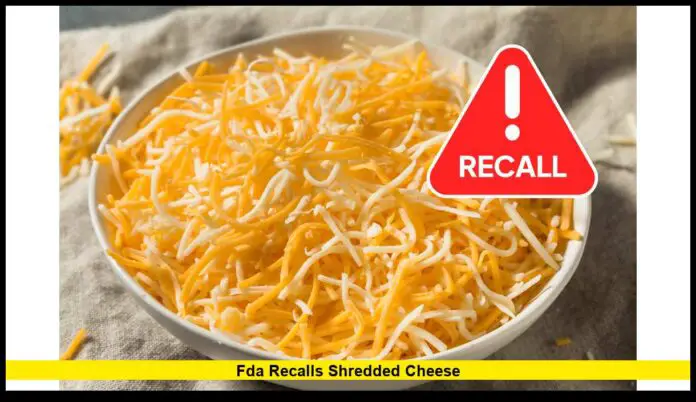
The FDA recalls shredded cheese across the U.S. after safety testing found possible contamination with Listeria monocytogenes in several batches. The recall, announced in late November and updated through early December 2025, affects multiple popular cheese brands. Shoppers are urged to check their refrigerators right away and dispose of any affected items.
Table of Contents
Why the Shredded Cheese Recall Happened
The U.S. Food and Drug Administration (FDA) confirmed that the recall began when routine sampling detected traces of Listeria in shredded cheese made at a Wisconsin facility. Although no illnesses have been reported, the recall is being treated as a precautionary measure to protect public health.
Listeria monocytogenes is a serious foodborne bacterium that can cause infection, especially in pregnant women, young children, older adults, and anyone with a weakened immune system. Common symptoms include fever, body aches, and stomach pain. The FDA emphasized that early detection and swift recalls help prevent potential outbreaks.
Brands and Products Affected
The current recall covers several shredded cheese products made between October 25 and November 28, 2025. The affected items were distributed nationwide under well-known store and private-label brands. These include:
- Happy Farms Shredded Mozzarella and Cheddar Blends – sold at ALDI stores in several states
- Great Lakes Dairy Shredded Mexican Blend Cheese – distributed regionally in the Midwest
- Market Pantry Shredded Cheddar Jack – sold in national retail chains
- Store-brand Four-Cheese Mixes – available in 8-ounce and 16-ounce resealable bags
Each recalled item shares similar production codes linked to a single manufacturing facility owned by Great Lakes Cheese Co. in Wausau, Wisconsin. The company identified the potential contamination during routine environmental testing near the shredding and packaging lines.
Where the Products Were Sold
The recalled shredded cheese was shipped to grocery stores in at least 14 states, including:
- Illinois
- Wisconsin
- Michigan
- Ohio
- Minnesota
- Iowa
- Indiana
- Kentucky
- Tennessee
- Missouri
Retailers have already pulled the affected cheese from shelves. Online listings for these products are also being removed to prevent further sales.
If you bought shredded cheese recently, check the “Best By” dates between January 15 and February 20, 2026 and lot codes starting with WZ or GLC. Any item with these details should not be consumed.
What to Do If You Have the Recalled Cheese
If you have any of the recalled shredded cheese products, follow these FDA recommendations immediately:
- Inspect your fridge: Look for the affected brand names, lot codes, and “Best By” dates.
- Do not eat the cheese: Even if it smells or looks fine, it may still be unsafe.
- Throw it away securely: Seal it in a plastic bag before discarding to avoid cross-contamination.
- Clean your fridge and utensils: Wipe down any surfaces or containers that came into contact with the cheese.
- Ask for a refund: Most stores are offering full refunds or exchanges for recalled items.
If you develop symptoms such as fever, muscle aches, or digestive discomfort after consuming shredded cheese, contact your healthcare provider immediately.
What the FDA and Companies Are Saying
Great Lakes Cheese Co. released a statement on November 30 confirming that the recall was initiated out of caution. The company has temporarily paused operations at the affected Wisconsin facility while deep cleaning and further testing are conducted.
The FDA is working closely with company officials to inspect the plant and verify corrective actions. Early findings suggest the contamination was limited to one production line. Federal inspectors are continuing to track product distribution to ensure all recalled batches are fully removed from retail locations.
No Illnesses Reported So Far
As of December 3, 2025, there have been no confirmed cases of illness related to the shredded cheese recall. State health agencies are still monitoring for potential cases of listeriosis, but early reports indicate that most contaminated products were caught before reaching a large number of consumers.
This recall demonstrates how preventive testing and fast action can stop possible outbreaks before they spread. Both the FDA and the cheese manufacturers say that safety remains their top priority.
How an FDA Recall Works
When the FDA recalls shredded cheese or any other food product, it follows a strict step-by-step process to ensure public safety:
| Step | Action | Purpose |
|---|---|---|
| 1 | Contamination identified through testing | Detects potential health risks early |
| 2 | FDA notifies the producer | Begins coordination for recall |
| 3 | Product tracing | Determines where the items were distributed |
| 4 | Retail removal | Ensures stores pull products from shelves |
| 5 | Public alert | Warns consumers to discard affected food |
| 6 | Follow-up inspection | Verifies safety before operations resume |
This system is designed to remove unsafe food quickly and provide transparent updates to the public.
A Look at Recent Cheese Recalls
This is not the first time cheese products have been recalled due to Listeria risks. In 2024, a similar recall affected pre-packaged soft cheeses distributed across the Midwest. In that case, early testing also prevented widespread illness.
Since then, the FDA has tightened inspection procedures for dairy processing facilities, especially those that handle shredded or grated cheese, because open-air processing lines are more prone to bacterial exposure.
The agency has urged all dairy manufacturers to strengthen sanitation routines, environmental monitoring, and temperature control systems to reduce the risk of contamination.
What Happens Next
The FDA expects to complete follow-up testing and facility inspections within the coming weeks. Once the affected production line meets safety requirements, Great Lakes Cheese Co. will resume normal operations.
Consumers can expect more updates if additional brands or products are added to the recall list. The FDA’s official Recalls, Market Withdrawals & Safety Alerts database remains the best source for up-to-date information.
Until then, it’s wise for shoppers to stay alert, especially when purchasing perishable dairy products.
Food safety is everyone’s responsibility—check your fridge, stay informed, and share this update with family and friends to help keep your community healthy.

