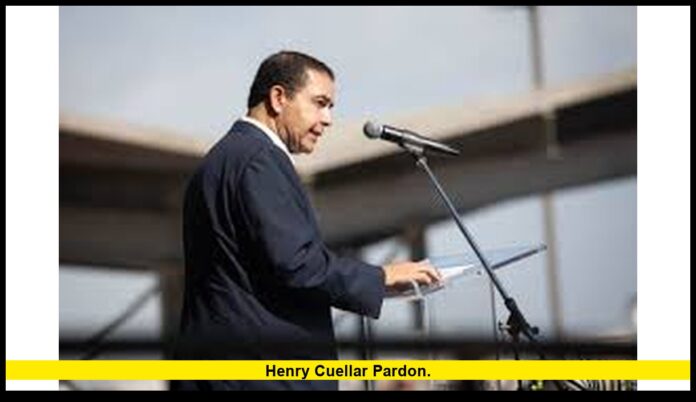
President Donald Trump has granted a full and unconditional pardon to U.S. Rep. Henry Cuellar of Texas, along with his wife, Imelda Cuellar. This white-house decision officially ends the federal criminal case against them — a dramatic turn in a high-profile bribery and money-laundering prosecution. The decision immediately halts further federal charges and clears the way for Cuellar as he pursues reelection.
Table of Contents
What the Pardon Covers
The clemency covers all federal charges related to an indictment from 2024. Prosecutors had accused the Cuellars of accepting nearly $600,000 in illicit payments routed through shell entities tied to a foreign-controlled energy firm and a Mexico City–based bank. The payments allegedly aimed to influence the congressman’s official actions and communications on behalf of those foreign business interests. Under the pardon, those charges are nullified and cannot be re-filed by federal authorities.
Although the underlying documents and public filings remain on record — including the indictment and related court filings — the pardon ensures that the Cuellars can no longer be prosecuted or convicted under the dismissed charges. In legal terms, the pardon wipes the slate clean in the eyes of the criminal justice system.
Why the Case Drew National Scrutiny
The case had drawn broad attention for several reasons:
- A sitting member of Congress was charged with crimes tied to foreign-linked entities.
- The alleged scheme involved complex financial transactions across borders and shell companies — a setup often linked to transnational corruption.
- Given the sensitive nature of foreign influence and the involvement of a high-ranking official, many saw it as a test case for how aggressively federal authorities would pursue corruption.
- The timing was notable: The case unfolded against a backdrop of volcanic political tensions in Washington over immigration, foreign influence, and congressional oversight.
Cuellar and his wife pleaded not guilty upon indictment and consistently denied any wrongdoing. Their defense argued that the payments were legitimate or unrelated to official actions. The pardon ends that legal confrontation.
Political Context and Trump’s Rationale
President Trump announced the pardon on his social media platform, framing the prosecution as politically motivated and linked to disagreements over immigration policy. He argued the Cuellars had been targeted not because of corruption but because of their political stances, and described the case as weaponized by prosecutors.
This clemency aligns with a pattern of pardons in 2025 that have included a range of figures — from ordinary citizens to high-profile political actors — many tied to corruption or alleged corruption cases. With this pardon, Trump underscores his willingness to intervene in politically sensitive prosecutions, especially those involving members of Congress.
Reactions From Across the Political Spectrum
- From Cuellar: The congressman expressed relief and gratitude, calling the pardon a path for him and his family to move forward. He reiterated his commitment to serve his constituents and resume campaigning without the cloud of criminal charges.
- Democratic Leaders and Ethics Watchdogs: Some raised serious concerns about accountability. They warned that pardoning members of Congress in corruption cases could erode public trust in government institutions and weaken deterrence against future wrongdoing.
- Republican Leaders: Reactions were mixed. Some praised the decision as a corrective against perceived prosecutorial overreach, especially in politically charged cases. Others, however, emphasized the importance of consistent standards and worried about setting a precedent for clemency in public-corruption prosecutions.
- Legal and Integrity Experts: Many voiced alarm over the broader implications of granting executive clemency in such cases. They argued it could undermine the ability of prosecutors to hold public officials accountable and diminish the seriousness of corruption allegations involving foreign actors.
What the Pardon Does — and Doesn’t — Do
✅ What It Does:
- Terminates the federal criminal prosecution against Cuellar and his wife.
- Protects them from conviction or sentencing under the dismissed charges.
- Clears the way for Cuellar to continue political activity — including reelection efforts — without legal entanglement.
⚠️ What It Doesn’t Do:
- It does not erase public records related to the indictment. Court filings, grand-jury records (if public), and other documents remain part of the public record.
- It does not prevent non-criminal investigations. Congressional ethics inquiries or administrative reviews can proceed independently.
- It does not affect state-level or separate investigations brought under different jurisdictions, should any exist.
Thus, while the pardon offers legal safety in the federal criminal justice system, other forms of scrutiny — political, administrative, or civil — remain possible.
Implications for Oversight, Corruption Enforcement, and Public Trust
This pardon tests the boundaries between executive clemency powers and the need for accountability in public corruption cases. Key concerns now include:
- Deterrence: Legal scholars warn that pardons in high-profile corruption cases can weaken deterrence and embolden future wrongdoing.
- Public Trust: Pardons in politically sensitive cases risk undermining confidence in fair governance and equal application of the law.
- Integrity of Oversight Mechanisms: With criminal prosecution off the table, the burden shifts to congressional ethics bodies and oversight institutions. Their effectiveness will matter more than ever.
- Precedent: This pardon may influence how future administrations use clemency — especially in cases involving politicians accused of corruption, foreign influence, or illicit funding.
What to Watch in the Coming Weeks
- Whether congressional ethics investigators launch or resume inquiries into the Cuellars.
- Whether any civil or administrative penalties are pursued, such as fines or censure.
- How voters in Cuellar’s district react — both to the pardon and to his campaign under cleared status.
- Whether this pardon shifts momentum toward broader reforms in how corruption cases are prosecuted and how clemency is used.
Final Thoughts
The resolution of the federal case through pardon clears the legal landscape for Rep. Cuellar — but the political and reputational implications remain uncertain. How oversight bodies respond will shape whether this becomes a cautionary tale about clemency or a turning point in the fight against public-office corruption.

