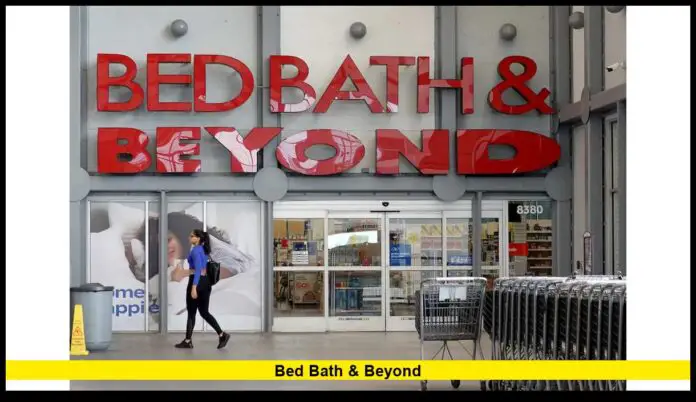
Bed Bath & Beyond has officially redefined itself in 2025. Once a struggling brick-and-mortar chain facing bankruptcy and mass closures, the home goods retailer has now completed a dramatic transformation into a digital-first brand — signaling a major comeback in the U.S. retail landscape.
After filing for Chapter 11 bankruptcy in April 2023 and closing all remaining physical stores, the Bed Bath & Beyond name and digital assets were acquired by Overstock.com. Two years later, the company has successfully merged Overstock’s e-commerce expertise with Bed Bath & Beyond’s household brand recognition — creating a revitalized online shopping platform that’s both nostalgic and modern.
Table of Contents
The Fall and Rebirth of Bed Bath & Beyond
For decades, Bed Bath & Beyond was synonymous with home shopping in America. Founded in 1971 in Springfield, New Jersey, the retailer grew to more than 1,500 stores across the United States, becoming a staple for college dorms, weddings, and home décor.
However, by the late 2010s, the company began losing ground to e-commerce giants like Amazon and niche competitors such as Wayfair and Target. Despite multiple restructuring attempts, declining foot traffic, supply chain challenges, and shifting consumer habits led to mounting financial losses.
In April 2023, Bed Bath & Beyond filed for bankruptcy protection and began liquidating inventory nationwide. By July 2023, all stores had closed, marking the end of an era for millions of loyal customers.
But it wasn’t the end of the brand itself.
Overstock’s Acquisition and Digital Relaunch
In June 2023, Overstock.com — known for discounted furniture and home goods — purchased Bed Bath & Beyond’s intellectual property, including its domain, customer lists, and trademarks, for $21.5 million.
The move sparked a bold plan: retire the Overstock name and replace it with the newly reimagined BedBathandBeyond.com. By August 2023, Overstock officially rebranded its entire website under the Bed Bath & Beyond identity.
CEO Jonathan Johnson described the decision as “a fusion of brand legacy and digital innovation.” The goal was to capitalize on Bed Bath & Beyond’s consumer trust while introducing Overstock’s efficient online infrastructure and supplier network.
What Bed Bath & Beyond Looks Like in 2025
Now, in December 2025, the new Bed Bath & Beyond operates entirely online — but with the same wide range of categories that customers remember.
The modern site features a sleek, user-friendly design with enhanced navigation, improved product filters, and faster delivery options. Its key product areas include:
- Furniture: Sofas, beds, and home office furniture with free shipping offers.
- Home Décor: Wall art, mirrors, lighting, and seasonal décor.
- Kitchen & Dining: Cookware, small appliances, and dinnerware sets.
- Bedding & Bath: Sheets, towels, and comforters — the brand’s original strength.
- Outdoor Living: Patio furniture, grills, and garden accessories.
The digital relaunch also introduced personalized recommendations, mobile app integration, and a revamped loyalty program that rewards users for repeat purchases.
The Loyalty Program: Welcome Rewards
The company retained its popular rewards concept but rebranded it as Welcome Rewards under the new Bed Bath & Beyond name. Members earn points on every purchase and receive perks such as:
- 5% cash back on select items.
- Birthday discounts and personalized offers.
- Free shipping on qualifying orders.
- Exclusive early access to seasonal sales and holiday events.
The rewards program now integrates seamlessly with the mobile app, allowing users to track orders, manage returns, and browse deals directly from their phones.
New Focus on Quality and Curation
One of the biggest shifts since the rebrand has been a new focus on quality over quantity. Unlike the old Bed Bath & Beyond model, which relied heavily on coupon promotions and endless product variety, the modern platform emphasizes curated selections and brand partnerships.
Shoppers will find items from trusted names like KitchenAid, Dyson, Ninja, Cuisinart, and Sealy, alongside exclusive in-house lines.
The company has also expanded its sustainability section, highlighting products made from recycled materials or manufactured with eco-friendly processes — a move that resonates with younger, environmentally conscious consumers.
Bed Bath & Beyond’s Role in the U.S. Retail Market
While the closure of its physical stores marked a major loss for many communities, Bed Bath & Beyond’s digital rebirth has helped it reclaim relevance in an increasingly competitive retail environment.
Industry analysts note that the brand’s comeback represents a larger trend in retail — where established names are reinvented through digital platforms instead of vanishing completely.
The rebrand strategy mirrors similar success stories, such as Toys “R” Us and RadioShack, which have returned through online partnerships and licensing deals.
With Bed Bath & Beyond’s strong brand identity and Overstock’s technological foundation, the retailer is once again a key player in the home goods market, particularly among millennials and Gen Z shoppers who prefer online convenience over in-store browsing.
Financial Performance and Growth in 2025
As of the fourth quarter of 2025, Bed Bath & Beyond has shown significant recovery under its new model.
- Sales Growth: The company reported double-digit online revenue growth in 2025, driven by home furniture and bedding categories.
- Customer Expansion: Over 5 million new users joined the Bed Bath & Beyond site in 2025 alone.
- Profitability: While the company continues to reinvest in logistics and marketing, margins have improved compared to its pre-bankruptcy operations.
Analysts attribute this growth to improved digital marketing, a streamlined product catalog, and increased trust in delivery and return policies.
What Happened to the Physical Stores?
Most Bed Bath & Beyond locations permanently closed after the 2023 liquidation. However, several former store spaces have been repurposed by other major retailers, including Burlington, Five Below, and HomeGoods.
Some industry observers have speculated about the possibility of small-format pop-up stores returning under the Bed Bath & Beyond name in the future, but as of December 2025, there has been no confirmed plan to reopen any physical locations.
Instead, the company continues to focus on strengthening its online presence and expanding delivery coverage across the U.S.
Customer Reactions and Public Sentiment
The relaunch of Bed Bath & Beyond has received a largely positive response from both former and new customers. Many appreciate that the company preserved its familiar brand name and wide product range while offering the convenience of modern online shopping.
Social media discussions throughout 2025 highlighted positive feedback on:
- Faster delivery times.
- Improved website design.
- Loyalty rewards.
- Better product quality and variety.
Longtime fans, nostalgic for the in-store experience, have expressed a mix of gratitude and sadness — grateful the brand survived but wistful about the days of walking through aisles filled with bedding and home gadgets.
The Future of Bed Bath & Beyond
Looking ahead, Bed Bath & Beyond plans to continue expanding its online offerings and technological capabilities. The company is developing AI-powered shopping assistants and augmented reality tools that allow customers to preview furniture in their homes using smartphone cameras.
Additionally, 2026 is expected to bring a stronger focus on subscription-based benefits, where frequent shoppers can access free shipping and bonus points through a small annual fee.
The company’s leadership has made it clear: Bed Bath & Beyond is committed to growth in the digital era, blending its legacy with innovation.
Bed Bath & Beyond’s story is one of American retail resilience — a classic brand reborn through digital reinvention. In 2025, it stands not as a memory of what once was, but as proof that transformation is possible when a brand evolves with its customers.

