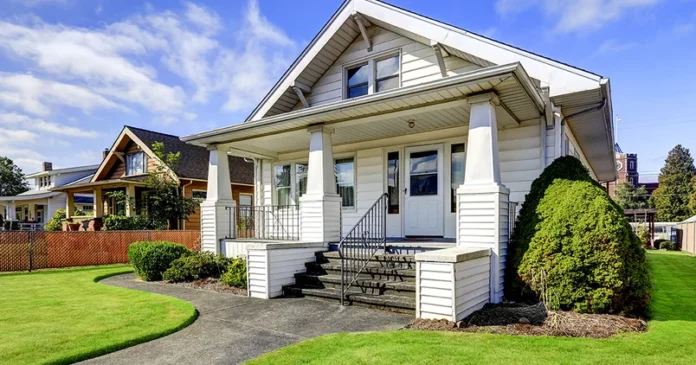
The phrase “home buyers” is stirring hope across the U.S. housing market as 2026 approaches. After years of sky-high mortgage rates and stubbornly inflated home prices, several key trends suggest a turning point may finally be arriving. Lower borrowing costs, cooling price growth, and an anticipated rebound in affordability are aligning to offer prospective homeowners a real shot at buying without the strain seen in recent years.
Mortgage Rates Are Falling — And That Matters
As of early December 2025, the average 30-year fixed mortgage rate has dipped to 6.19%, the lowest in nearly 14 months and below last year’s 6.69%. The 15-year fixed rate also fell to 5.44%. That drop marks a meaningful shift after prolonged pressure on rates, which have long kept many would-be buyers sidelined.
Falling rates translate directly into lower monthly payments. For many buyers, especially first-time or cash-strapped households, this can make the difference between being able to buy or needing to wait. As borrowing costs dip, the financial barriers for potential home buyers decrease — creating renewed opportunity for those ready to act.
Home Prices Are Still Up — But Growth Is Slowing
According to the latest data from nationwide price indexes, U.S. house prices rose by about 3.3% year-over-year through the third quarter of 2025. That’s far slower than the record-breaking surges seen after the pandemic.
Nearly every state (48 of 50 plus D.C.) saw some appreciation — though the pace varies widely. Some states posted increases of up to 6–7%, while others edged up modestly. On a metro level, trends are even more diverse: some areas saw gains, others experienced stagnation or marginal drops.
In other words: while prices keep rising overall, the blistering pace has cooled. That means entry for new buyers may be slightly easier — especially in markets where price growth has plateaued.
Entry-Level Homes Are Leading the Comeback
Notably, sales of starter homes — often the most affordable segment of the market — have outpaced other categories throughout 2025. This suggests a shift in buyer behavior: as affordability becomes more critical, many prospective homeowners are focusing less on luxury upgrades and more on attainable, entry-level properties.
For many families and first-time buyers, this trend offers a key opportunity — buying a more modest, manageable home rather than stretching toward high-end or high-cost options.
2026 Forecast: A Slow-Motion Reset, Not a Crash
Industry analysts from major real estate firms describe 2026 as the start of what they call a “housing reset.” The reset isn’t about dramatic price drops — it’s about normalization after years of overheated markets. The forecast calls for:
- Mortgage rates to stay in the low-6% range, sometimes dipping slightly below.
- Home-price growth to slow to roughly 1–2% year-over-year.
- Wages to steadily rise (around 4%), helping incomes keep pace with housing costs.
- A mild uptick in home sales, especially among first-time buyers, as affordability improves.
For home buyers, that means monthly payments may start to align more realistically with family budgets. For the broader market, the reset could help balance supply and demand, stabilizing prices across most regions.
What This Means for Different Types of Buyers
- First-time buyers and budget-conscious households: The improved affordability environment — lower rates, slower price growth — makes now one of the better windows in recent years to buy. Entry-level homes, in particular, look increasingly accessible.
- Move-up buyers and families: If you’re looking for more space or a larger home, you may find modest price growth and rate trends favorable. While prices aren’t dropping dramatically, the juice you’re getting on long-term financing can still be worth it.
- Buyers in high-cost areas or overheated metros: Gains in those regions remain mixed. In some places, steep price hikes continue. In others, price growth has flattened or even dipped. It pays to watch local market data carefully rather than rely on national headlines.
- Buyers waiting for a “crash” or large price drop: That outlook appears unlikely. Experts predict a gradual easing — not a collapse. If affordability matters to you, leaning into the current trends may produce better outcomes than waiting for deep discounts.
Why Supply Conditions and Inventory Still Matter
An important piece of the puzzle: housing inventory remains tighter than ideal in many regions. Although the number of homes for sale has increased compared to the past year, supply is not uniformly distributed. Some metros still feature limited availability, especially for affordable / starter homes.
That matters because even with favorable mortgage rates and moderated price growth, competition for limited stock can push prices up — or force buyers into bidding wars. As a result, early action in regions with healthier inventory may yield the best outcomes.
Regional Differences Are Real — Local Data Is Crucial
While national trends paint a broad picture, the home-buying experience will vary significantly by location. Some states and metros saw healthy price appreciation. Others show slow growth or even slight declines.
For buyers, especially those open to relocating or willing to consider less-obvious areas, staying alert to regional data could unlock better deals. A city with slowing growth and high inventory might offer more value than a tech-hub metro still experiencing run-ups.
A Window of Opportunity — But Don’t Wait Too Long
All signs point toward 2026 as a “sweet spot” for entering the housing market — especially for those ready and able to move. Mortgage rates remain historically favorable compared to recent highs, price growth is softening, and affordability is improving gradually but noticeably.
But conditions could shift again. Interest rates might bounce, inventory could tighten, and local market pressures may vary widely. For renters or prospective buyers longing for stability, acting sooner rather than later could capture the most advantage.
If you plan to buy a home, this may be your moment: lower rates, cooler—but still rising—prices, and rising demand make the landscape more favorable than it’s been in years.

