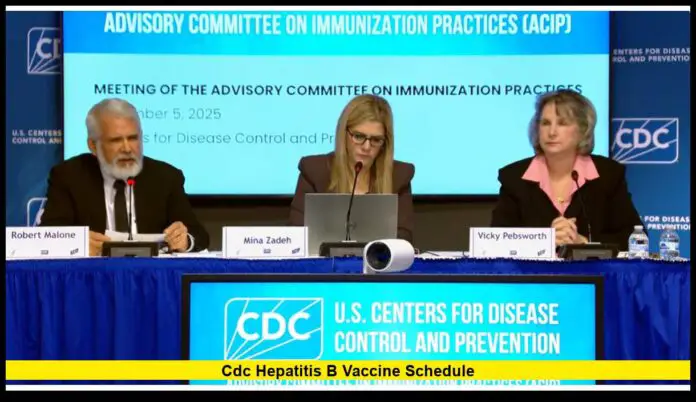
The CDC hepatitis B vaccine schedule remains one of the cornerstones of U.S. public health, offering long-term protection against a virus that can cause serious liver disease, cirrhosis, and cancer. As of December 2025, the Centers for Disease Control and Prevention (CDC) continues to emphasize the importance of universal hepatitis B vaccination, especially beginning at birth, with specific updates to guidance for adults and healthcare workers.
Table of Contents
Understanding Hepatitis B and Why Vaccination Matters
Hepatitis B is a liver infection caused by the hepatitis B virus (HBV). It spreads through contact with infected blood, or other bodily fluids. Without vaccination, exposure can lead to acute illness or chronic infection that increases the risk of liver failure and hepatocellular carcinoma.
The CDC reports that hepatitis B infections have declined by nearly 90% since the introduction of the vaccine in 1981. However, about 1.9 million Americans are still living with chronic HBV infection today. Routine vaccination remains essential to protect newborns, children, and adults, especially those with occupational or lifestyle exposure risks.
The Current CDC Hepatitis B Vaccine Schedule (2025 Update)
The CDC’s 2025 immunization schedule recommends hepatitis B vaccination for all infants, children, adolescents, and adults up to age 59, and for adults aged 60 and older who have specific risk factors or who request protection.
Here’s a detailed breakdown of the current dosing guidelines:
1. Infants and Children
- Dose 1: At birth (within 24 hours)
- Dose 2: Between 1–2 months of age
- Dose 3: Between 6–18 months of age
If an infant’s mother is hepatitis B surface antigen (HBsAg) positive, the newborn must receive hepatitis B immune globulin (HBIG) and the first dose of vaccine within 12 hours of birth, at different injection sites.
Infants weighing less than 2,000 grams who are born to mothers whose infection status is unknown should also receive both HBIG and the first vaccine dose immediately.
2. Catch-Up Schedule for Children and Adolescents (Ages 1–18 Years)
- Unvaccinated children and teens should complete a three-dose series on a 0-, 1-, and 6-month schedule.
- If the second dose is delayed, it can be given at any time; the minimum interval between doses must be respected (at least 4 weeks between doses 1 and 2, and at least 8 weeks between doses 2 and 3).
3. Adult Hepatitis B Vaccination
As of 2025, all adults aged 19–59 should receive the hepatitis B vaccine, regardless of prior risk factors.
For adults aged 60 and older, vaccination is recommended for those who are:
- At increased risk for HBV infection (e.g., healthcare workers, individuals with diabetes, chronic liver disease, or multiple sexual partners), or
- Anyone who wants to be protected.
Adults can choose between different approved vaccine formulations:
| Vaccine Name | Doses Required | Schedule | Approved Age Range |
|---|---|---|---|
| Engerix-B | 3 doses | 0, 1, and 6 months | Birth and older |
| Recombivax HB | 3 doses | 0, 1, and 6 months | Birth and older |
| Heplisav-B | 2 doses | 0 and 1 month | 18 years and older |
| PreHevbrio | 3 doses | 0, 1, and 6 months | 18 years and older |
The Heplisav-B vaccine continues to grow in popularity among adults because it requires only two doses over one month, providing full protection faster than traditional three-dose series.
Recent Updates and Key CDC Changes for 2025
In 2025, the CDC reaffirmed its universal adult hepatitis B vaccination policy introduced in 2022, ensuring that more Americans receive protection regardless of risk category. This change aligns with the nation’s goal to eliminate viral hepatitis as a public health threat by 2030.
Key updates for this year include:
- Continued universal vaccination for adults aged 19–59.
- Enhanced recommendations for maternal screening and post-exposure care for newborns.
- Promotion of two-dose adult vaccination options to improve adherence and completion rates.
- Emphasis on co-administration safety — the hepatitis B vaccine can be safely given at the same time as other vaccines such as Tdap, flu, and COVID-19 boosters.
These updates reflect the CDC’s push to simplify vaccine access and strengthen national immunity.
Special Populations Requiring Immediate Vaccination
Certain groups remain at higher risk for hepatitis B infection. The CDC highlights the following populations for targeted immunization and timely post-exposure protection:
- Healthcare workers and first responders exposed to blood or body fluids.
- People with diabetes, due to potential exposure through glucose monitoring equipment.
- People who inject drugs or share injection equipment.
- Individuals on dialysis or with chronic liver disease.
- People with multiple sexual partners or who live with someone infected with hepatitis B.
- International travelers to countries with high HBV prevalence (Asia, Africa, and parts of Eastern Europe).
Vaccination remains the most effective tool for preventing transmission in these high-risk categories.
Pregnancy and Newborn Protection Guidelines
Every pregnant woman should undergo hepatitis B surface antigen screening during each pregnancy, regardless of prior vaccination. If the mother tests positive, immediate intervention after delivery can prevent transmission to the baby with more than 95% effectiveness.
The newborn’s vaccination series must be followed by post-vaccination serologic testing (HBsAg and anti-HBs) between 9–12 months of age to confirm protection.
These measures have significantly reduced perinatal HBV infections in the United States.
Vaccine Safety and Effectiveness
The hepatitis B vaccine is among the safest and most extensively studied vaccines in the world. Reported side effects are typically mild and may include temporary soreness at the injection site or mild fever.
Decades of research confirm that vaccine-induced immunity is long-lasting, typically providing at least 30 years of protection in healthy individuals who completed the full series. Booster doses are not routinely recommended for most people with a normal immune response.
For immunocompromised individuals (including people on dialysis or with HIV), periodic antibody testing and booster doses may be necessary to maintain adequate protection.
Current U.S. Vaccination Coverage and Challenges
As of late 2025, vaccination coverage among infants and adolescents in the U.S. remains strong, with national surveys showing about 91% of children completing the hepatitis B vaccine series by age two.
Adult coverage, however, remains lower — around 33% among adults aged 19–59. The CDC and state health departments continue to promote outreach programs and workplace vaccination drives to close this gap.
Innovative strategies, including offering the vaccine in pharmacies and community health centers, have improved access, particularly in rural areas.
How to Stay on Schedule
Healthcare providers recommend keeping vaccination records updated and ensuring all doses are completed. Missing doses does not require restarting the entire series — the schedule can simply resume where it left off.
Patients can check vaccination history with their primary care provider or through state immunization registries.
The CDC hepatitis B vaccine schedule serves as the backbone of prevention against one of the world’s most serious viral infections. Staying up to date with the latest guidance ensures stronger community protection and a healthier future for all.

