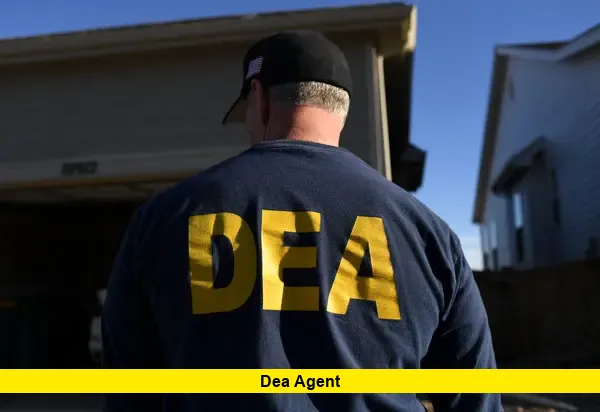
A former high-ranking agent of the U.S. Drug Enforcement Administration has been indicted for allegedly conspiring to launder millions of dollars and procure military-grade weapons for a Mexican drug cartel. Federal prosecutors say the alleged plot involved laundering drug proceeds and facilitating weapons deals — shocking accusations that have drawn nationwide attention.
Table of Contents
What Happened
On December 5, 2025, prosecutors unsealed an indictment charging 61-year-old former DEA official Paul Campo and 75-year-old associate Robert Sensi with narcoterrorism, drug distribution, money laundering, and providing material support to a designated foreign terrorist organization.
According to the indictment, the pair conspired to assist the Jalisco New Generation Cartel (CJNG), a powerful and violent Mexican cartel formally designated as a foreign terrorist organization earlier this year.
Authorities say the case emerged from a law-enforcement operation in which a confidential informant posed as a cartel member. During this operation, Campo and Sensi allegedly agreed to launder drug proceeds and acquire firearms and explosives for cartel use.
Prosecutors contend the pair converted approximately $750,000 into cryptocurrency and expressed willingness to launder as much as $12 million. They also allegedly offered to use their financial and operational expertise to facilitate cocaine trafficking in New York.
Both men face four major conspiracy charges tied to terrorism, narcotics trafficking, money laundering, and arms procurement. They have pleaded not guilty, and courts have denied them bail.
Why the Case Matters
The charges against a former “ dea agent” underscore the magnitude of the alleged betrayal. Campo spent decades enforcing drug laws and combating the very organizations he is now accused of supporting. Prosecutors say his deep insider knowledge, contacts, and financial experience could have provided the cartel with significant advantages.
The involvement of CJNG, now classified as a terrorist organization, elevates the seriousness of the case. Alleged cooperation with such an organization shifts the legal implications beyond drug trafficking and into national-security territory, carrying the possibility of life-long federal penalties.
The indictment demonstrates a stern message: individuals entrusted with law-enforcement authority will be held fully accountable if they use that authority to assist criminal enterprises.
Background: Who Are the Main Figures
Paul Campo
A retired senior DEA official who served for about 25 years. He worked in financial operations before leaving the agency in 2016. Prosecutors say the alleged criminal activity occurred after his retirement.
Robert Sensi
A 75-year-old associate with a prior fraud conviction. Authorities allege he helped coordinate laundering operations and discussions regarding weapons procurement.
The indictment states that although Campo was no longer employed by the DEA at the time of the alleged offenses, his past experience remained central to the scheme. Officials emphasize that misuse of law-enforcement expertise poses a direct threat to public safety.
The Role of CJNG and U.S. Cartel Strategy
CJNG has grown into one of the most dominant and violent cartels in the Western Hemisphere. It traffics cocaine, fentanyl, methamphetamine, and other drugs into the United States. Its influence and violent tactics prompted federal officials to designate the organization a foreign terrorist group earlier this year.
By allegedly assisting CJNG with money laundering and weapons access, Campo and Sensi would have strengthened a cartel responsible for large-scale drug distribution and violence. Prosecutors say the men offered to use their knowledge to facilitate smuggling routes, including shipments intended for New York.
The case highlights the increasing intersection between terrorism designations and cartel enforcement, signaling a shift in how the U.S. handles transnational drug threats.
Statements from Authorities
Federal prosecutors described Campo’s alleged actions as a profound betrayal of public trust, stressing that former agents are not exempt from accountability. Officials reiterated that any individual — regardless of rank or prior service — who colludes with a criminal or terrorist organization will face serious legal consequences.
The DEA emphasized that it maintains a zero-tolerance stance toward corruption and internal misconduct. Agency leaders said the case reinforces their commitment to upholding integrity within the ranks and protecting communities from cartel-driven harm.
Potential Consequences if Convicted
If convicted on all charges, Campo and Sensi could face life in prison. The accusations combine some of the most severe offenses in federal law: narcoterrorism, drug trafficking, material support to a terrorist organization, and money laundering.
The case may also prompt broader policy conversations about how retired federal agents are monitored after leaving service. Analysts have raised questions about potential reforms to ensure that former officials with sensitive knowledge remain compliant with legal and ethical standards.
Wider Implications for Law Enforcement and Drug Policy
This indictment arrives during an intensified national effort to combat fentanyl distribution, cartel violence, and cross-border trafficking operations. The allegations against a retired agent introduce complex challenges for agencies working to maintain public confidence.
The case also raises important questions about oversight. How can federal agencies strengthen internal safeguards? What tools are available to identify potential misconduct among former employees? These discussions are expected to grow as the case moves forward.
While the investigation continues, law-enforcement leaders say the prosecution itself shows that no individual is too powerful or too experienced to face justice.
Conclusion
The allegations against the former “ dea agent” mark one of the most significant corruption cases involving a federal drug-enforcement official in recent years. Prosecutors argue that the defendants used privileged knowledge to aid a violent cartel now officially recognized as a terrorist group. If proven in court, the crimes carry the possibility of life sentences and major national-security implications.
As the case progresses, it stands as a stark reminder that accountability applies to everyone — including those once sworn to protect the public from the very crimes they are now accused of enabling.
Share your thoughts below — do you believe this case will lead to stronger oversight of former federal agents?

