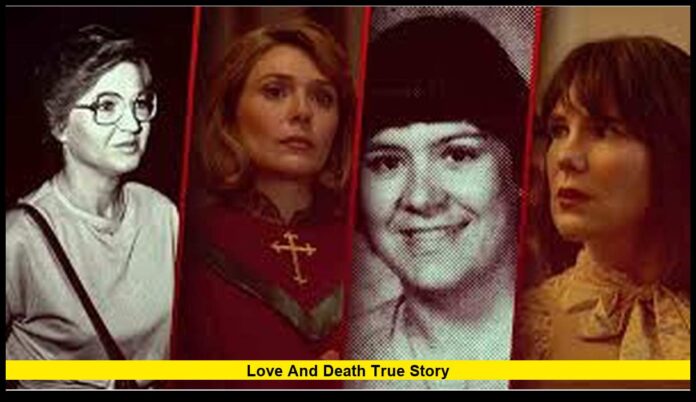
The love and death true story traces back to the 1980 killing of Betty Gore in Wylie, Texas, a case that continues to attract nationwide attention. The latest updates surrounding this true story reaffirm the core facts: Betty Gore was killed on June 13, 1980, and her friend Candy Montgomery was charged with murder before being acquitted later that year. Renewed interest in the case has surged as recent television dramatizations revisit its details for modern audiences.
The killing shocked a quiet Texas suburb and quickly became one of the most widely discussed criminal cases of the decade. Investigators found that Betty Gore had been struck numerous times with an ax inside her home. The severity of the attack contrasted sharply with the community’s perception of both families involved, which added to the case’s lasting intrigue.
Verified Timeline of Events
- June 13, 1980: Betty Gore was found dead in her Wylie, Texas home.
- June 26, 1980: Candy Montgomery was arrested and charged with first-degree murder.
- October 1980: After a highly publicized trial, Candy Montgomery was acquitted.
The trial became a national spectacle. It involved testimony about personal conflicts, an affair, psychological evaluations, and self-defense claims. The courtroom proceedings were intense, and the verdict sparked debate that still echoes today. Many Americans remain fascinated by how rapidly suburban life can shift from calm routine to tragedy.
Why the Case Still Fascinates Audiences
Several factors explain the lasting public interest:
- The contrast between the families’ church-centered social circles and the violent outcome.
- The role of a private affair becoming central to a criminal investigation.
- The legal strategy that relied heavily on psychological testimony.
- The surprising jury verdict that closed the trial.
These elements made the case both memorable and polarizing. The story raises complex questions about personal boundaries, mental health, and community pressure within small-town life.
Television Adaptations and Public Attention
Modern portrayals of the case have kept it in the spotlight. A major streaming series released in recent years dramatized the events, highlighting the relationships, tensions, and courtroom drama. Although dramatized for television, these productions renewed focus on the real people and factual events behind the story.
For viewers, distinguishing between dramatization and documented history remains important. While the series reintroduced the story to millions, the verified timeline and legal outcome stay firmly rooted in the historical record.
Key Figures in the Case
- Candy Montgomery: Arrested, tried, and ultimately acquitted.
- Betty Gore: The victim at the center of the tragedy.
- Allan Gore: Betty’s husband, whose relationship with Candy played a significant role.
These individuals became part of a case that reshaped national conversations about suburban crime and psychological testimony in court.
Details Confirmed by Records
Evidence presented during the trial showed the extent of the violence. Reports described multiple ax strikes and a struggle that escalated rapidly. Candy Montgomery maintained that she acted in self-defense after being confronted inside the Gore home.
The jury’s decision reflected the legal arguments and testimonies provided during the proceedings. After the trial ended, Candy Montgomery left Texas and built a private life away from media attention. Members of the Gore family remained outside the public eye, though renewed interest in the case has periodically resurfaced.
How the Case Influences Crime Discussions Today
Legal analysts still examine the trial for its use of psychological testimony, which was considered unusual at the time. The case also raised discussions about:
- The reliability of memory under stress
- How emotional triggers may influence physical confrontations
- The complexity of blending personal relationships with legal outcomes
These discussions keep the case relevant in academic, legal, and cultural spaces.
Public Memory and the Story’s Legacy
The story endures because it combines everyday American life with shocking violence. A small-town community, church activities, family routines — all were disrupted by an event that no one expected. Media retellings continue to explore the emotional and social layers of the case, ensuring that it remains part of America’s true-crime landscape.
The case also stands as a reminder that real events often differ from dramatized portrayals. While televised versions add tension and narrative framing, the essential record of what happened remains grounded in documented facts: a confrontation, a killing, a trial, and an acquittal that surprised many at the time.
In Summary
The love and death true story remains a landmark case in American true crime history. Its blend of personal conflict, community impact, and courtroom drama continues to captivate audiences across the country. With renewed cultural attention, the story is once again prompting conversations about justice, perception, and how quickly ordinary life can change.
Share your thoughts below and join the conversation about this unforgettable true story.

