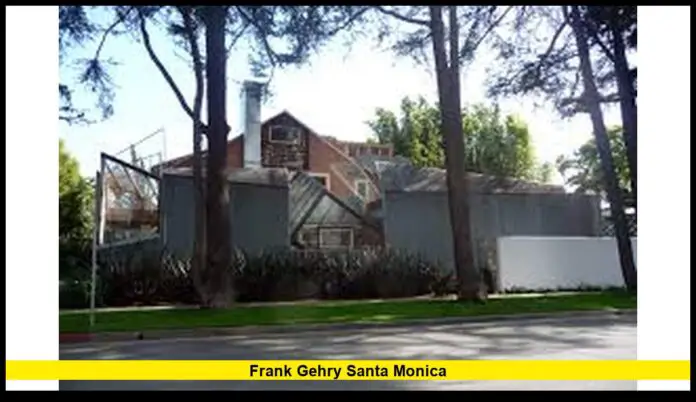
Frank Gehry Santa Monica remains a major point of public attention as the latest confirmed updates show that the celebrated architect passed away at his Santa Monica home on December 5, 2025, while key Gehry-connected projects in the city continue to move through planning and development stages. Several long-running design efforts, including the Ocean Avenue mixed-use project, remain active with established approvals and sustainability requirements.
Frank Gehry’s death in Santa Monica prompted immediate reactions across the architecture community and from local leaders who recognized both his global influence and deep personal ties to the city. Santa Monica served not only as his residence but also as a hub for some of his most recognizable ideas about blending sculptural architecture with neighborhood-scaled planning.
Table of Contents
Gehry’s Passing and Santa Monica’s Response
Gehry died at age 96 after a brief respiratory illness, leaving behind decades of architectural innovation. His connection to Santa Monica was more than symbolic. He lived and worked there for years, and his early home remodel gained widespread attention for its unconventional use of materials and form.
Following his passing, tributes focused on his ability to reshape the identity of cities while staying grounded in the Southern California landscape. Santa Monica residents and professionals in the built-environment community highlighted his influence on Westside design standards and urban conversation.
Status of the Ocean Avenue Project
One of the most important ongoing developments tied to Gehry’s work in Santa Monica is the Ocean Avenue mixed-use project. The city approved a development agreement for the project in 2022, establishing a path forward for a design that integrates housing, a hotel, cultural elements, and public-oriented ground-floor features.
The project includes firm commitments such as:
- Energy-efficient operational targets
- Use of 100 percent green power
- On-site water-capture systems
- Public-realm improvements along Ocean Avenue
- Reduced height and massing to comply with local zoning guidelines
Renderings and design documents show a sculptural composition characteristic of Gehry’s late-career work, while maintaining compatibility with Santa Monica’s coastal scale and regulatory environment.
Recent Permitting and Development Activity
The Ocean Avenue development remains one of the most significant Gehry-associated proposals moving through Santa Monica’s planning landscape. Its approvals include long-term sustainability obligations, public-benefit contributions, and design adjustments negotiated between developers and the city.
Beyond the Ocean Avenue project, other Gehry-designed developments along the Westside have recently advanced through coastal compliance reviews. These actions indicate that multiple projects tied to Gehry’s team remain active within the broader coastal planning process.
Why Santa Monica Played a Central Role in Gehry’s Legacy
Santa Monica shaped Gehry’s architectural identity. His own residence there became an early showcase of the experimental material language that would later define his global career.
The Ocean Avenue project highlights several themes that marked his relationship with the city:
- Balancing bold architectural expression with neighborhood sensitivity
- Negotiating public benefits as part of complex urban-planning agreements
- Adapting large-scale ideas to a tightly regulated coastline
- Elevating design quality across the region
For Santa Monica, the partnership offered a chance to host a prominent cultural landmark while reinforcing environmental and community-oriented priorities.
Timeline of Confirmed Milestones
A clear sequence of events defines the evolution of Gehry’s Santa Monica involvement:
- 2013: Early Ocean Avenue concepts were introduced.
- 2018: Height reductions and massing changes were made to comply with planning requirements.
- 2022: The City Council approved the development agreement with detailed public and environmental commitments.
- 2023–2025: Additional coastal reviews and nearby Westside project approvals advanced through regulatory channels.
This timeline reflects ongoing engagement between Gehry’s design team, developers, and city officials.
What Residents Should Expect Next
Large mixed-use projects typically unfold over several years. With approvals in place, the next phases of work rely on finalized building permits, contractor coordination, and continued oversight to ensure compliance with sustainability goals.
The Ocean Avenue development aims to bring new hotel rooms, residential units, and street-level activity to one of the city’s most visible corridors. How closely the final construction reflects Gehry’s vision will depend on continued design stewardship by Gehry Partners and developer leadership following his passing.
Impact on Santa Monica’s Urban Identity
The intersection of Gehry’s legacy and Santa Monica’s evolving urban landscape raises several important considerations:
- The city may gain a signature cultural and architectural destination.
- The project showcases how sustainability goals can be embedded into dense coastal development.
- Gehry’s influence could continue shaping local design philosophy even after his death.
Santa Monica now holds a unique place in Gehry’s story—his home, the site of a major late-career project, and the city where he spent his final days.
Bottom Line
Frank Gehry’s passing in Santa Monica has renewed public interest in his local impact and the future of the Ocean Avenue development. With approvals secured and sustainability commitments in place, the project is positioned to continue as one of the most significant architectural additions to the city’s coastline.
Share your thoughts below — did Gehry’s work change the way you see Santa Monica?

