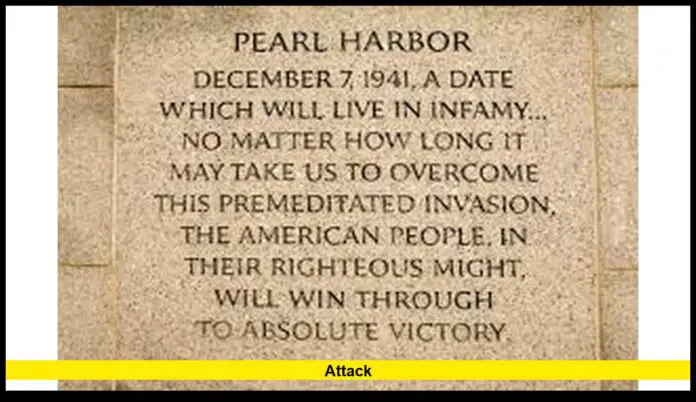
12/7/1941 stands as one of the most pivotal moments in U.S. history, and it remains deeply significant in 2025 as Americans reflect on its lasting impact. The date marks the attack on Pearl Harbor, a morning that altered the nation’s trajectory and launched the United States into World War II. This year’s observances highlight not only the historical importance of the event but also the evolving ways Americans honor it as the number of living witnesses becomes smaller than ever.
Table of Contents
The Events of 12/7/1941
On the morning of December 7, 1941, the United States naval base at Pearl Harbor came under sudden attack by Japanese aircraft. The strike began at 7:55 a.m. local time and involved hundreds of planes arriving in two waves. Several battleships, including USS Arizona and USS Utah, were destroyed or severely damaged. Nearly 2,500 Americans lost their lives, and many more were injured.
The attack ended ongoing diplomatic negotiations between the United States and Japan. The following day, President Franklin D. Roosevelt delivered his historic “infamy” address to Congress, prompting the nation to enter World War II. The swift shift from peace to war shaped America’s military, economic, and social course for decades.
Honoring the Date in 2025
The nation continues to honor the memory of those lost on 12/7/1941. Each year, ceremonies take place in Hawaii and across the continental United States. Flags are lowered to half-staff, and many communities observe a moment of silence at 7:55 a.m., the exact time the attack began.
In 2025, the President issued the annual proclamation calling on Americans to reflect on the sacrifices of the service members and civilians who were affected. States have also reaffirmed their dedication to honoring the date, encouraging residents to participate in remembrance events, educational programs, and memorial activities.
A Historic Shift: Fewer Living Survivors
As of this year, only a small number of individuals who lived through the attack remain alive, all of them over 100 years old. For the first time, none of the survivors attended the annual ceremony in Honolulu. This marked a profound turning point in how the country experiences and preserves the memory of the attack.
With firsthand witnesses now unable to participate, the responsibility of safeguarding the legacy of 12/7/1941 has shifted to families, historians, educators, and national institutions. Preserved oral histories, interview archives, and written accounts have become more important than ever as future generations seek to understand the magnitude of that day.
Why 12/7/1941 Still Matters Today
The attack on Pearl Harbor did more than destroy ships and aircraft; it reshaped the role of the United States on the global stage. The nation’s entrance into World War II after the attack forged new alliances, strengthened its military capabilities, and laid the foundation for long-term geopolitical influence.
The date also symbolizes resilience and unity. The rapid response, national mobilization, and collective sacrifice demonstrated by the American people became hallmarks of what many call the “Greatest Generation.” Their service and determination helped define the country in the decades that followed.
Today, the United States and Japan share a strong partnership, proof of how dramatically global relationships can evolve after conflict. This transformation underscores the lasting significance of 12/7/1941 and the lessons it continues to teach about diplomacy, preparedness, and reconciliation.
How Americans Can Reflect in 2025
Even as time passes, there are meaningful ways to honor the legacy of 12/7/1941:
- Observe a moment of silence at 7:55 a.m.
- Visit memorials or local commemorative sites.
- Teach younger generations about the history and its importance.
- Explore recorded interviews and preserved stories from survivors.
- Share personal reflections or family memories related to the era.
These actions help ensure that the lessons and legacy of the day continue to be understood by future generations.
The Legacy Moving Forward
The relevance of 12/7/1941 has not faded with time. Its significance deepens as the country transitions from an era of living witnesses to one reliant on preserved memory. The commitment to remembering the courage, loss, and unity of that day remains essential in understanding the nation’s past and shaping its future.
Share your thoughts or reflections on this historic day and help keep the conversation alive for future generations.

