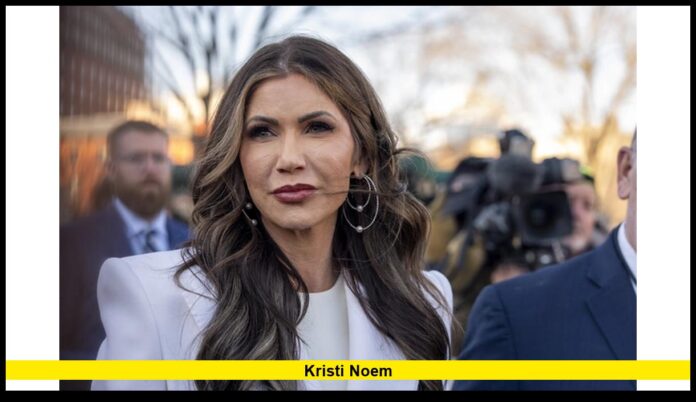
Kristi Noem appeared before the House Homeland Security Committee on December 11, 2025, defending key elements of the Trump administration’s immigration and national security agenda amid mounting political pressure and public debate. As the U.S. Secretary of Homeland Security, Kristi Noem has become one of the most scrutinized figures in federal policy this year, with developments ranging from contentious congressional hearings to expanded travel restrictions and major disaster funding decisions.
In this comprehensive look at Kristi Noem’s recent actions, we take you through the week’s top developments, the political responses, and what it means for U.S. immigration enforcement, border security, and homeland defense as the year draws to a close.
Intense Congressional Hearing on December 11
Kristi Noem’s appearance on Capitol Hill dominated headlines on Thursday. The House Homeland Security Committee convened for a hearing titled “Worldwide Threats to the Homeland” that quickly shifted focus to the Trump administration’s hard-line immigration enforcement strategies. During hours of questioning, Noem stood firm in defending the department’s approach to deportations, border operations, and national security issues.
Democratic lawmakers pressed Noem over the Department of Homeland Security’s record on deportations and civil liberties. They cited specific cases that raised concerns about due process and alleged mistreatment. In sharp remarks, several Democrats publicly called for greater transparency and even suggested resignation, signaling deep partisan alienation over current immigration policies.
The proceedings took an unexpected turn when two protesters were removed from the hearing room after interrupting Noem’s testimony. Their chants echoed broader public debates that have mirrored the political battles unfolding in Washington this year.
Departure from the Hearing Sparks Controversy
As the hearing progressed, Kristi Noem left earlier than scheduled, stating she needed to attend a meeting with the Federal Emergency Management Agency (FEMA) Review Council. What drew widespread attention was that the announced meeting was reportedly canceled, fueling accusations from critics that her exit was premature and avoided further questioning.
Democratic lawmakers seized on the departure, describing it as an evasion of oversight. Republican members, however, defended her decision to address urgent administrative duties. The episode underscored the intense scrutiny Noem faces as Homeland Security chief, especially on immigration enforcement and congressional transparency.
Major FEMA Funding Announcement for Georgia
While the Capitol Hill hearing drew political headlines, Noem also announced a significant federal disaster aid initiative on Thursday. The Department of Homeland Security designated $1 billion in FEMA funding for the state of Georgia. These funds are earmarked for rebuilding critical infrastructure damaged by recent emergencies and strengthening resilience for future disasters.
State officials welcomed the funding. They emphasized the importance of federal assistance in addressing urgent infrastructure needs across highways, utilities, and public services. Noem framed the announcement as part of DHS’s broader emergency management role, highlighting the department’s dual mission of national security and disaster response.
Expanded Travel Ban and Immigration Policy Shifts
Earlier in December, Kristi Noem announced that the United States plans to significantly widen its list of countries subject to travel restrictions. The policy will extend bans to include more than 30 countries, part of a strategy aimed at tightening entry and ensuring that the U.S. admits only individuals from nations with stable governance and reliable vetting systems.
This expanded travel ban builds on actions taken earlier in the year and is tied to concerns about national security. The announcement came amid heightened attention to violent incidents involving foreign nationals, which federal officials have linked to gaps in immigration screening. Noem described the policy as necessary to protect the homeland, though critics argue it could hinder diplomatic relations and affect lawful travel for business and tourism.
Linking Anti-Drug Operations to National Security
During her December 11 testimony, Noem connected the seizure of an oil tanker off the coast of Venezuela to broader counter-drug efforts by the United States. She said this operation was part of a coordinated strategy to disrupt narcotics networks and pressure regimes accused of facilitating illegal drug trafficking into the U.S.
Noem’s remarks highlighted how homeland security concerns increasingly intersect with international operations. U.S. forces seized the vessel amid tensions with the Venezuelan government, reflecting a more assertive stance on counter-drug activities in the Western Hemisphere.
Political Reactions and Partisan Divides
The political reaction to Kristi Noem’s recent week was starkly divided along party lines.
- Democrats criticized Noem’s leadership and called for increased oversight. They highlighted concerns about deportation policies, claimed inconsistencies in testimony, and questioned the ethical implications of her decisions. Some lawmakers went so far as to demand she resign, arguing that her actions had eroded public trust.
- Republicans largely supported Noem’s positions, praising her focus on border security and national defense. GOP members applauded the expansion of travel restrictions and the department’s stricter enforcement posture. Many Republicans also defended her handling of emergency funding and applauded her public willingness to confront complex security challenges.
This partisan split reflects broader national debates about immigration, civil liberties, and federal authority in matters of border control.
Ongoing Legal and Policy Challenges
Kristi Noem’s tenure has also been shaped by legal scrutiny. Federal courts are evaluating several policies and decisions related to immigration enforcement. One notable case involves questions over removal procedures and whether actions taken by DHS comply with existing court orders. These judicial inquiries add another layer of complexity to the department’s operations as it seeks to balance legal constraints with enforcement goals.
Noem’s leadership comes at a time when the U.S. Supreme Court is also scheduled to hear a major immigration case that could affect asylum eligibility for those encountered at the U.S.–Mexico border. The outcome of that case could reshape how DHS approaches asylum screenings and border crossings in the future.
Internal Tensions Within the Administration
Beyond public hearings and legal battles, reports suggest there are internal tensions within the administration’s immigration enforcement team. Some senior officials, including other federal immigration leaders, are said to have diverging views on strategy and priorities. These internal disagreements have reportedly affected coordination within DHS and raised questions about the clarity of policy direction.
Despite these internal debates, Kristi Noem has publicly emphasized her commitment to fulfilling her duties at the Department of Homeland Security. She has dismissed rumors about potential changes to her position and reaffirmed her resolve to continue serving at the president’s discretion.
Public Opinion and Grassroots Response
Public opinion continues to play a significant role in shaping the narrative around Kristi Noem’s policies. Immigration advocacy groups have organized protests and public demonstrations across the country. Some rallies have drawn thousands of participants calling for humane immigration reforms. These events reflect widespread public concern about enforcement practices and civil liberties.
Conversely, groups advocating stronger border control have praised Noem’s efforts, arguing that a firm stance on immigration is necessary to address illegal crossings and protect American communities. These advocacy efforts highlight the deep divisions in public sentiment on immigration and homeland security.
What’s Next for Kristi Noem and Homeland Security
Looking ahead, several key developments will determine the trajectory of Kristi Noem’s role as Homeland Security Secretary and the future of federal immigration policy:
- Court decisions on legal challenges to DHS practices could impose new restrictions on the department’s enforcement powers.
- Congressional oversight may continue, with lawmakers demanding more detailed explanations of policy decisions and accountability for enforcement outcomes.
- Implementation of expanded travel bans will take shape and may have broader diplomatic implications.
- 2026 policy planning will likely reveal whether Noem’s strategies will extend into the next year or adapt to political pushback.
For U.S. audiences closely tracking immigration, national security, and federal leadership, the months ahead promise significant developments. Kristi Noem’s high-profile position places her at the center of critical debates that could shape policy for years.
Her testy hearing, emergency funding directives, and expanded travel restrictions are part of a broader narrative about America’s approach to security in a complex global and domestic climate.
We want to hear from you. Share your thoughts in the comments below and stay connected for the latest updates on Kristi Noem and homeland security policy.

