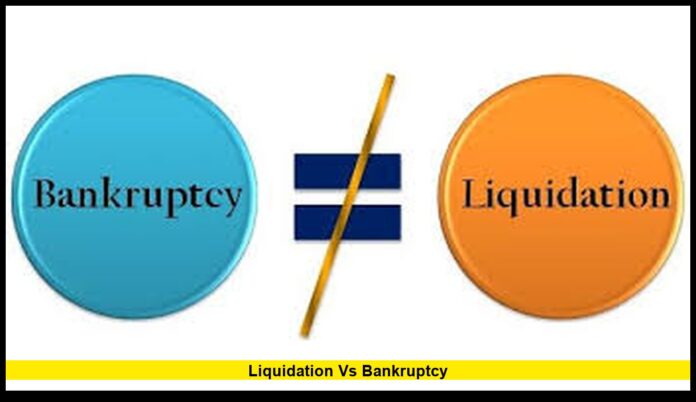
Understanding liquidation vs bankruptcy has become a critical financial skill in 2025, especially as more U.S. companies confront rising debt, slowing revenue, and pressure from higher interest rates. The distinction between the two terms affects employees, creditors, investors, and communities across the country. Many bankruptcies this year have included restructuring plans, while others have resulted in full asset sales and company closures. These real developments underscore why the difference matters more than ever.
The financial environment has pushed businesses of all sizes to evaluate how they operate and whether they can survive long-term obligations. As a result, many Americans now seek clearer explanations of liquidation and bankruptcy, what each outcome means, and how these processes unfold inside the U.S. legal system.
This in-depth article breaks down both concepts with clarity, offers current context for 2025, and provides practical understanding for readers following corporate and consumer financial news.
Table of Contents
What Bankruptcy Means in the United States
Bankruptcy is a federal legal process designed to give individuals and companies relief when they cannot meet their financial obligations. It creates a structured environment where debt can be reorganized, reduced, or eliminated under the supervision of a court.
The U.S. Bankruptcy Code includes several chapters, but three are the most commonly used:
Chapter 7 Bankruptcy
Chapter 7 is often associated with liquidation because assets that are not legally protected may be sold to repay creditors. A trustee manages the asset sales and distributes proceeds. For businesses, Chapter 7 typically results in a complete shutdown. For individuals, it wipes out many unsecured debts.
Chapter 11 Bankruptcy
Chapter 11 is focused on reorganization rather than closure. Businesses continue operating while adjusting debt obligations, renegotiating contracts, or selling selected assets. The goal is to remain viable and restore financial stability. Some Chapter 11 cases end with renewed success, while others convert into liquidation if reorganization becomes impossible.
Chapter 13 Bankruptcy
Chapter 13 applies to individuals with stable income. Instead of liquidation, the court approves a repayment plan that usually runs three to five years. It allows people to keep their property while catching up on overdue payments.
Bankruptcy offers strong legal protections. Creditors cannot pursue collection activities once the filing occurs, which gives the filer room to develop a plan. The system aims to balance relief for debtors with fairness for creditors.
What Liquidation Means in 2025
Liquidation is the sale of assets to repay creditors. It can happen through bankruptcy, but it can also happen outside the federal system when a business chooses a state-supervised alternative.
Key Characteristics of Liquidation
- The goal is to convert property, equipment, and other assets into cash.
- Businesses generally cease operations.
- Proceeds go to creditors in a legally defined order.
- A trustee or authorized representative oversees the process.
Liquidation is final. Once assets are sold and creditors are paid, the business does not return. This makes liquidation one of the most important financial decisions an organization can make.
Liquidation vs Bankruptcy: The Core Differences
While the terms are closely linked, they are not the same. Understanding the difference helps readers better interpret corporate announcements, legal filings, and financial news.
Comparison Overview
| Topic | Liquidation | Bankruptcy |
|---|---|---|
| Purpose | Sell assets and close operations | Reorganize or eliminate debt |
| Future of Business | Shuts down permanently | May continue operating |
| Legal Structure | Can occur inside or outside bankruptcy | Always governed by federal law |
| Who Oversees It | Trustee or representative | Bankruptcy judge + trustees when required |
| Outcome | Final wind-down | Debt relief, restructuring, or liquidation |
Bankruptcy is a legal status. Liquidation is an action. Bankruptcy can include liquidation, but liquidation does not require bankruptcy court involvement.
Why More Americans Care About Liquidation and Bankruptcy in 2025
Financial pressures across the United States have increased the number of filings from companies dealing with:
- Elevated borrowing costs
- Decreased consumer spending
- Supply chain expenses
- Shifts in industry demand
These economic realities have forced many organizations to choose between restructuring or shutting down entirely.
Impact on Workers
Employees face uncertainty when a business enters bankruptcy, but the outcomes vary. In a reorganization, jobs may continue. In liquidation, employment typically ends immediately or shortly after the filing.
Impact on Creditors
Creditors pay close attention to whether a company reorganizes or liquidates. Reorganization may offer higher recovery and continued business relationships. Liquidation creates finality, with creditors receiving payments based strictly on legal priority.
Impact on Local Communities
Restaurants, manufacturers, retail stores, and local service businesses affect dozens of interconnected jobs. Whether a business reorganizes or closes can influence tax revenue, real estate markets, and neighborhood stability.
Impact on Consumers
Consumers who rely on a brand or service may see price adjustments, product reductions, or discontinuations. A liquidation eliminates availability entirely.
How Liquidation Works Inside Bankruptcy
Liquidation most commonly takes place under Chapter 7, although Chapter 11 can involve liquidation as well.
The Chapter 7 Liquidation Sequence
- Filing initiates automatic legal protection.
- A trustee is assigned to control assets.
- The trustee reviews records and identifies property that can be sold.
- Sales occur through auctions, direct purchases, or bulk transactions.
- Funds are distributed to creditors by priority.
- The case closes when all assets are handled.
Creditors receive payment according to a strict federal order, which typically places secured creditors first. Unsecured creditors often receive less and, in some cases, nothing.
Liquidation Through Chapter 11
Some businesses begin Chapter 11 with hopes of reorganizing but eventually shift to liquidation if operating costs remain too high or revenue does not improve. In these situations:
- The company may continue operating temporarily while selling assets.
- A liquidation plan is created and approved through court procedures.
- Proceeds still go to creditors based on priority.
This approach sometimes benefits creditors because businesses can sell assets strategically rather than all at once.
How Bankruptcy Works Without Liquidation
Not all bankruptcies involve asset sales. Many organizations successfully reorganize and regain stability. This can occur through:
- Contract renegotiations
- Lower interest arrangements
- Lease restructuring
- Debt consolidation
- Partial asset sales
- Injection of new investment
Bankruptcy provides tools for flexibility that liquidation does not. The aim is survival instead of closure.
2025 Trends Affecting Liquidation and Bankruptcy Decisions
Several key trends have shaped financial decisions throughout the year:
1. Higher Interest Rates
Borrowing remains expensive, and many debt-heavy companies face obligations they can no longer afford. This factor has pushed a higher number of filings than in the years before.
2. Consumer Behavior Shifts
Spending has changed across multiple categories. Some sectors have seen recovery, while others continue to suffer from reduced demand. Companies unable to adjust quickly have considered bankruptcy or liquidation.
3. Increased Operating Costs
Businesses in transportation, food production, and hospitality continue experiencing rising costs for labor, supplies, and logistics. When revenue fails to keep pace, financial distress intensifies.
4. Changing Lending Standards
Lenders are more cautious in 2025. Loans are harder to secure, refinancing is limited, and many companies run out of options before restructuring becomes possible.
5. Rise in Commercial Real Estate Vacancies
Struggling retail and office spaces have created domino effects for landlords, tenants, and supporting businesses.
Why the Distinction Matters for Everyday Americans
Whether a company reorganizes or liquidates determines:
- Job survival
- Pension outcomes
- Vendor payments
- Customer refunds
- Warranty or membership validity
- Investor losses
Understanding these outcomes helps consumers and workers prepare for potential financial disruptions.
Frequently Asked Questions (FAQ)
1. Is liquidation the same as bankruptcy?
No. Bankruptcy is a legal process. Liquidation is the act of selling assets. Bankruptcy may include liquidation, but liquidation can also happen outside bankruptcy.
2. Can a business survive liquidation?
In most cases, no. Liquidation involves closing the business and selling everything it owns. Once the process is complete, operations end permanently.
3. Can a company return after Chapter 11?
Yes. Many businesses emerge from Chapter 11 with a new structure, lower debt, and a sustainable operating model.
4. Do employees always lose their jobs in liquidation?
Typically, yes. Liquidation leads to closure. Jobs often end quickly because the company can no longer function.
5. Which option provides more creditor recovery?
It depends, but creditors usually recover more when a company reorganizes successfully instead of shutting down. Liquidation may reduce total recovery due to asset value limits.
6. How long does liquidation take?
It varies. Simple cases may finish within months. Large corporate liquidations can take years due to asset complexity and distribution requirements.
7. Do consumers get refunds when a business liquidates?
Refunds are not guaranteed. Consumers may become unsecured creditors and receive payment only after others with higher priority.
8. Why are more companies filing in 2025?
Economic pressures—including debt, interest rates, and shifting demand—have strained cash flow across multiple sectors, leading more businesses to consider liquidation or bankruptcy.
9. Can an individual go through liquidation?
Individuals filing Chapter 7 may have certain assets sold, but many personal assets are legally protected. The specifics depend on the exemptions allowed under state and federal law.
10. Which option is better: liquidation or bankruptcy?
It depends on the financial condition. Reorganization through bankruptcy may save a business. Liquidation becomes necessary when operations cannot continue.
If you have thoughts or questions about liquidation vs bankruptcy and how these processes are affecting businesses in 2025, feel free to share your perspective below.

