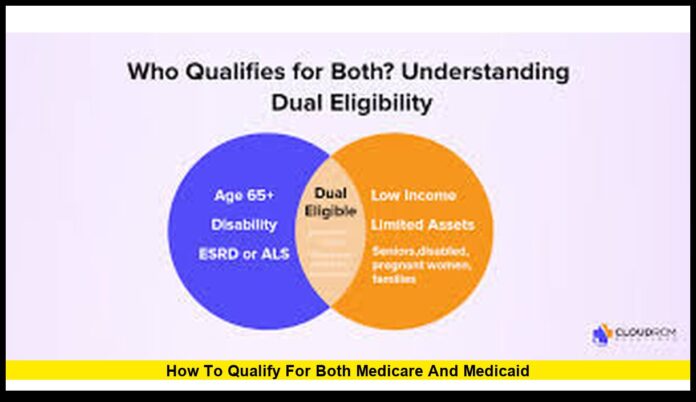
How to qualify for both Medicare and Medicaid is a vital topic for older adults, people with disabilities, and low-income households navigating the U.S. healthcare system. As of today, federal eligibility rules remain in place, with states administering Medicaid under updated income and asset standards. Individuals who meet medical and financial criteria may receive benefits from both programs at the same time, a status widely known as dual eligibility.
This combined coverage plays a major role in reducing healthcare costs and improving access to services that many Americans rely on daily.
Table of Contents
Medicare and Medicaid: How the Programs Work Together
Medicare and Medicaid are separate programs with different purposes, but they are designed to coordinate for eligible individuals.
Medicare is a federal health insurance program. It primarily serves adults age 65 and older, along with certain younger people who qualify due to disability or long-term medical conditions.
Medicaid is a joint federal and state program. It provides healthcare coverage to people with limited income and financial resources. While federal guidelines apply nationwide, each state manages its own Medicaid program.
When someone qualifies for both, Medicare usually pays first. Medicaid then helps cover eligible remaining costs.
Who Is Considered Dual Eligible
Dual eligibility is not limited to one group. It applies to people who meet both medical and financial requirements.
Commonly eligible individuals include:
- Seniors age 65 or older with limited income
- Adults under 65 with qualifying disabilities
- People receiving Supplemental Security Income
- Individuals living in nursing homes or long-term care facilities
Eligibility status is not permanent by default. Income changes, household changes, or asset increases can affect qualification.
Basic Medicare Eligibility Criteria
Medicare eligibility is consistent across all states and does not depend on income.
An individual qualifies for Medicare if they meet at least one of the following conditions:
- Age 65 or older and eligible for Social Security benefits
- Under 65 and receiving Social Security Disability Insurance for the required period
- Diagnosed with certain qualifying long-term medical conditions
Once enrolled, Medicare becomes the primary insurer for covered medical services.
Medicaid Eligibility: Income and Assets
Medicaid eligibility depends heavily on financial need.
Each state sets income and asset limits within federal standards. These limits are reviewed and adjusted periodically.
Factors used to determine eligibility include:
- Monthly income from wages, benefits, or other sources
- Countable resources such as savings accounts and investments
- Household size
- State residency
Many states exclude certain assets. A primary residence, personal belongings, and one vehicle are often not counted.
Understanding Different Levels of Dual Eligibility
Not every dual-eligible individual receives the same benefits.
There are multiple levels of assistance based on income and assets:
- Full dual eligibility allows Medicaid to cover most Medicare out-of-pocket costs and additional services
- Partial dual eligibility helps pay specific Medicare expenses, such as premiums
Coverage levels are determined by state rules and financial thresholds.
What Medicaid Covers That Medicare Does Not
One major benefit of dual eligibility is broader coverage.
Medicaid may help cover services that Medicare alone does not fully pay for, including:
- Medicare Part B premiums
- Deductibles and coinsurance
- Long-term nursing home care
- Home and community-based services
- Vision, dental, and hearing care
This combined coverage often results in little to no out-of-pocket cost for eligible individuals.
Qualifying Through Supplemental Security Income
Supplemental Security Income is a key pathway to dual eligibility.
SSI provides monthly cash assistance to older adults and people with disabilities who have limited income and resources.
In most states, SSI eligibility automatically qualifies an individual for Medicaid. Medicare eligibility is determined separately based on age or disability status.
This coordination simplifies enrollment for many people with fixed or limited incomes.
How to Qualify for Both Medicare and Medicaid Through Disability
Individuals under 65 may qualify for both programs due to disability.
After receiving disability benefits for the required period, Medicare eligibility begins automatically. Medicaid eligibility depends on income and asset limits.
Many people with long-term disabilities rely on dual eligibility to cover ongoing medical needs and supportive services.
Application Process for Dual Eligibility
There is no single application that enrolls someone in both programs at once.
The process typically involves:
- Enrolling in Medicare through Social Security
- Applying for Medicaid through the state Medicaid agency
- Submitting income and asset documentation
- Completing eligibility interviews or reviews
Some states offer coordinated systems to streamline the process, especially for seniors and disabled adults.
Ongoing Reviews and Redetermination
Dual eligibility requires regular verification.
Medicaid programs conduct periodic reviews to confirm income, assets, and residency. Missing deadlines or failing to submit documents can lead to loss of coverage.
Medicare enrollment periods remain federal and unchanged. However, dual-eligible individuals often qualify for special enrollment opportunities.
Why Dual Eligibility Is So Important Today
Healthcare expenses continue to strain household budgets across the U.S.
Dual eligibility helps protect vulnerable populations by limiting out-of-pocket costs and expanding access to essential services. Long-term care, prescription drugs, and routine medical visits become more affordable.
Understanding how to qualify for both Medicare and Medicaid empowers individuals and families to plan ahead and maintain continuous coverage.
Common Misunderstandings About Dual Eligibility
Many people believe qualifying for both programs is rare or overly complex.
In reality, millions of Americans meet the criteria each year. Others mistakenly assume owning a home automatically disqualifies them, which is not always true.
Clear knowledge of eligibility rules helps avoid missed opportunities for coverage.
State Differences That Matter
While Medicare rules are federal, Medicaid varies by state.
Income limits, asset thresholds, and covered services can differ. Some states offer additional Medicaid benefits, while others follow more basic coverage standards.
Understanding state-specific rules is essential for maintaining eligibility.
Planning Ahead for Eligibility
Planning can help individuals qualify and remain eligible.
Monitoring income, understanding asset rules, and responding promptly to Medicaid reviews all play a role. Families often assist older relatives with paperwork to prevent coverage gaps.
Early preparation can reduce stress and ensure uninterrupted access to care.
What Dual Eligibility Means for Healthcare Access
Dual-eligible individuals often have access to more coordinated care.
Many states support care coordination programs that focus on preventive services, chronic condition management, and long-term support.
This approach improves health outcomes and reduces emergency care use.
If you or a family member have navigated Medicare and Medicaid eligibility, share your experience below and stay connected for future updates on coverage changes.

