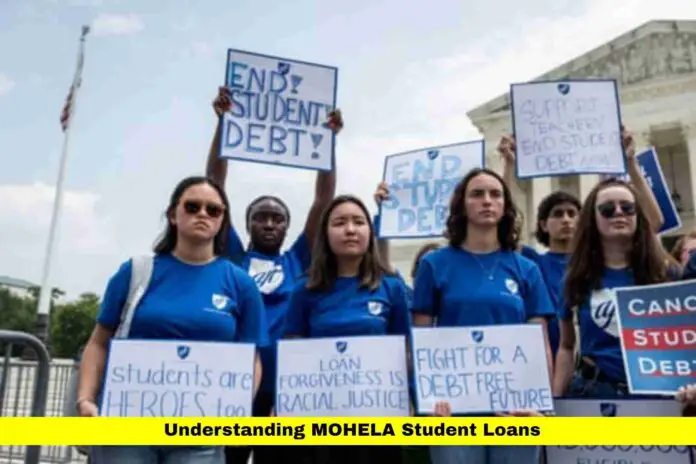
MOHELA student loans remain a major point of attention for borrowers across the United States as federal repayment systems continue adjusting after years of disruption. Millions of Americans interact with this servicer every month for billing, repayment plans, forgiveness tracking, and account maintenance. As repayment activity stabilizes, borrowers are paying closer attention to how servicing works, what responsibilities fall on them, and how to avoid costly mistakes.
This detailed report breaks down how these federally managed accounts function today, what borrowers are experiencing, and why active engagement has become essential for long-term success.
Table of Contents
The Role of MOHELA in the Federal Loan System
MOHELA operates as a contracted servicer for federal education debt rather than as a lender. It does not issue loans or decide interest rates. Instead, it manages day-to-day account functions on behalf of the U.S. Department of Education. This includes billing, processing payments, tracking repayment plans, and maintaining borrower records.
For many borrowers, MOHELA serves as the primary point of contact. All account updates, payment confirmations, and repayment communications flow through its platform. Understanding this role helps borrowers know where to direct questions and how to interpret account notices.
Why So Many Borrowers Are Assigned to MOHELA
A significant number of federal borrowers have been transferred to MOHELA in recent years. This shift occurred largely because the servicer was assigned responsibility for managing accounts tied to income-based repayment and forgiveness programs. As a result, borrowers who enrolled in these plans often saw their loans moved from other servicers.
Transfers required borrowers to create new online accounts, review balances, and confirm repayment settings. These changes increased the importance of regularly reviewing account details instead of assuming previous configurations carried over automatically.
Public Service Loan Forgiveness Administration
One of MOHELA’s most visible responsibilities involves managing Public Service Loan Forgiveness tracking. Borrowers working in qualifying public service roles often have their accounts serviced here so employment certifications and qualifying payments can be monitored consistently.
This process requires careful documentation. Borrowers must submit employer verification forms and ensure payment histories are accurate. Any discrepancies can affect forgiveness timelines, making close attention essential.
Income-Driven Repayment Plan Oversight
Income-driven repayment plans remain a core component of accounts serviced by MOHELA. These plans adjust monthly payments based on income and household size rather than total loan balance. They are designed to make repayment more manageable for borrowers with lower or fluctuating income.
MOHELA handles applications, annual income recertifications, and payment recalculations. Missing a recertification deadline can result in a sharp payment increase, which is why timely submissions are critical.
Life After the Payment Pause
When the federal payment pause ended, millions of borrowers returned to active repayment. MOHELA resumed billing schedules, issued payment reminders, and reinstated monthly obligations. Interest had already resumed earlier, adding to the urgency.
Many borrowers noticed changes in payment amounts due to updated income information or repayment plan adjustments. These recalculations made it essential to review statements carefully rather than relying on previous expectations.
Billing, Payments, and Account Accuracy
MOHELA processes payments through online portals, mail-in options, and automatic debit systems. Payments must be posted accurately and on time to maintain good standing. Borrowers are encouraged to verify each transaction after submission.
Even minor errors can create long-term issues, especially for those pursuing forgiveness. Regular monitoring helps catch discrepancies early before they escalate into missed credit or repayment delays.
Communication and Notification Challenges
Clear communication is vital in loan servicing, yet many borrowers report confusion during periods of transition. Account messages, emails, and billing notices may arrive close to deadlines or contain complex information.
Borrowers benefit from checking their accounts frequently rather than waiting for alerts. Saving copies of submitted forms and confirmation messages adds an extra layer of protection if disputes arise later.
Forbearance and Deferment Options
Temporary relief options remain available under certain circumstances. Forbearance and deferment can pause payments during hardship, though interest often continues to accrue. These options require formal requests and approval.
Assuming a pause is active without confirmation can lead to delinquency. Borrowers should always wait for official notice before skipping a payment.
Common Issues Borrowers Encounter
Many borrowers describe long wait times for customer service or delayed account updates. Others report confusion around payment counts or repayment plan status. These issues often surface during peak periods such as repayment restarts or forgiveness processing surges.
Persistence is key. Documenting interactions, following up regularly, and keeping records helps resolve issues more efficiently.
Regulatory Oversight and Accountability
As a federal contractor, MOHELA operates under strict compliance standards. Oversight focuses on accuracy, borrower communication, and program administration. This scrutiny influences system upgrades and internal processes.
While oversight aims to improve service quality, it does not eliminate the need for borrower vigilance. Staying informed remains essential.
Steps Borrowers Should Take Now
Active engagement is one of the most effective tools borrowers have. Logging into accounts regularly helps identify errors early. Reviewing repayment plans and verifying payment amounts reduces surprises.
Borrowers should also ensure contact information remains current so important notices are not missed.
Avoiding Delinquency and Default
Delinquency can affect credit and eligibility for repayment programs. MOHELA reports account status to federal systems, making timely payments essential.
Borrowers facing financial difficulty should explore repayment plan adjustments or temporary relief before missing payments. Early action provides more options.
Understanding the Servicer’s Limits
It is important to recognize what MOHELA can and cannot control. Loan terms, interest rates, and federal policy are set by law. The servicer implements these rules but does not create them.
This distinction helps borrowers focus their efforts on actions that are within their control, such as submitting accurate information and monitoring account status.
Preparing for Annual Recertifications
Annual income recertification remains a recurring responsibility for many borrowers. Missing deadlines can result in higher payments or removal from preferred repayment plans.
Setting reminders and preparing documents in advance helps prevent last-minute stress and errors.
The Long-Term Servicing Outlook
As repayment systems stabilize, borrowers should expect continued updates and adjustments. Platform improvements aim to streamline processes, but transitions may still require attention.
Those enrolled in long-term programs should plan for periodic reviews and updates to maintain eligibility.
Why Organization Matters More Than Ever
Managing federal education debt today requires organization. Keeping records, tracking deadlines, and reviewing statements regularly can prevent costly mistakes.
Borrowers who treat account management as an ongoing task rather than a one-time setup are better positioned for success.
Final Thoughts
MOHELA-managed federal education debt plays a central role in today’s repayment system, especially for borrowers pursuing income-based plans or forgiveness. While challenges remain, informed and proactive borrowers can navigate the system more effectively.
Understanding responsibilities, monitoring accounts closely, and responding quickly to changes can make a meaningful difference over time.
What questions or experiences have shaped your journey so far, and what updates would you like to see covered next?

