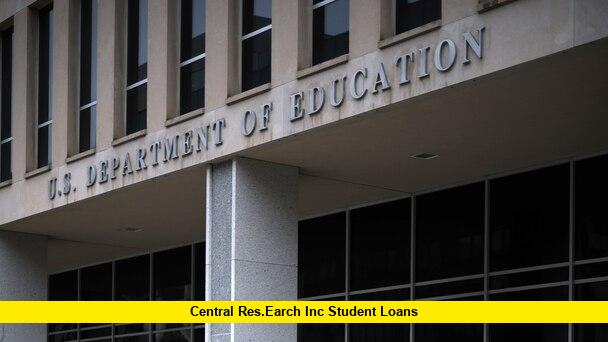
The status of central research inc student loans has become a growing concern for millions of U.S. borrowers as federal student loan collections officially resume in 2025. After years of paused enforcement, the federal government has restarted collection activity on defaulted student loans, placing new urgency on understanding how servicers like Central Research Inc operate and what borrowers must do next.
This article provides a clear, factual breakdown of the current situation, what has changed, and how borrowers can respond effectively in today’s federal student loan environment.
Table of Contents
Federal Student Loan Collections Are Officially Back
In 2025, the U.S. Department of Education resumed active collections on federal student loans that remain in default. Collections had been paused since early 2020 as part of emergency relief measures, allowing borrowers to go years without facing enforcement actions such as wage garnishment or federal benefit offsets.
That pause has now ended.
Borrowers with defaulted loans are once again subject to standard federal collection procedures. These include required repayment arrangements, outreach from loan servicers, and potential enforcement actions if no response is made. The restart of collections marks a major policy shift and signals a return to normal federal loan enforcement after a prolonged suspension.
Understanding Central Research Inc’s Role
Central Research Inc, commonly referred to as CRI, is a federally contracted student loan servicer. It does not issue or originate student loans. Instead, it manages certain federal student loan accounts on behalf of the government.
Borrowers assigned to Central Research Inc may receive billing statements, payment instructions, repayment plan information, or default-related notices from the company. CRI’s role is administrative and operational, meaning it handles communication, payment processing, and account management under federal guidelines.
If a borrower sees Central Research Inc listed as their servicer, it means the Department of Education has assigned that account to CRI for servicing or collections support.
Why Borrowers Are Hearing From CRI More Frequently
The renewed collection environment has increased contact between servicers and borrowers. Central Research Inc is now actively reaching out to borrowers whose loans are delinquent or in default to explain next steps and available resolution options.
This outreach may include:
- Notices about loan status
- Payment due reminders
- Instructions for resolving default
- Information about repayment or rehabilitation programs
Ignoring these communications can have serious consequences. Federal student loans carry enforcement powers that private lenders do not, making timely response especially important.
Defaulted Loans and Available Resolution Paths
Borrowers whose loans are in default still have options. Federal policy allows defaulted borrowers to take steps to return their loans to good standing, often with less long-term damage than many expect.
Common resolution paths include:
Loan Rehabilitation
This process allows borrowers to make a series of agreed-upon payments to remove the default status from their loan. Once completed, the loan returns to normal repayment status.
Entering a Repayment Plan
Some borrowers may be eligible to move directly into a federal repayment plan that aligns payments with income levels or financial circumstances.
Voluntary Arrangements
Borrowers can sometimes negotiate voluntary payment arrangements to avoid harsher enforcement measures.
Servicers like CRI typically direct borrowers to appropriate federal channels to complete these processes.
Wage Garnishment and Enforcement Risks
One of the most serious consequences of unresolved default is wage garnishment. Under federal law, the government may require employers to withhold a portion of a borrower’s paycheck to repay defaulted student loans.
Other potential enforcement actions include:
- Federal tax refund offsets
- Reduction of certain federal benefit payments
- Continued damage to credit history
These actions can occur without a court judgment, making early engagement with servicers especially critical.
How Federal Policy Changes Are Affecting Borrowers
The restart of collections coincides with broader shifts in federal student loan policy. Several repayment programs have been reviewed or restructured, and federal officials have emphasized borrower accountability alongside access to relief options.
At the same time, surveys and repayment data show that many borrowers are struggling to balance loan payments with rising living costs. Delinquency and default risks remain elevated as borrowers adjust to repayment after years of pauses.
This combination of enforcement and financial pressure makes accurate information and proactive planning more important than ever.
What Borrowers With Central Research Inc Should Do Now
Borrowers assigned to Central Research Inc should take several immediate steps:
Confirm Account Details
Ensure that CRI is your official servicer and that all account information is accurate.
Review Loan Status Carefully
Understand whether your loans are current, delinquent, or in default.
Respond Promptly to Notices
Ignoring communications can accelerate enforcement actions.
Ask About All Available Options
Federal programs exist to help borrowers avoid default-related consequences when they act early.
Keep Records of All Communication
Documenting calls, letters, and payment confirmations can help resolve disputes or errors.
Common Borrower Concerns Explained
Many borrowers worry that contact from a servicer automatically means immediate garnishment or legal action. In most cases, servicers first provide opportunities to resolve the situation voluntarily.
Others fear scams due to increased outreach. Borrowers should verify that communications come from their assigned federal servicer and avoid sharing sensitive information with unverified parties.
Understanding your servicer’s role and staying informed reduces confusion and financial risk.
The Bigger Picture for Student Loan Borrowers
The return of collections represents a new phase in federal student loan management. After years of emergency relief, the system is transitioning back to standard enforcement, even as economic pressures remain high for many households.
Central Research Inc student loans are part of this broader shift, reflecting the government’s reliance on contracted servicers to manage a massive loan portfolio while offering pathways back to repayment compliance.
Borrowers who stay informed, respond early, and explore their options are far better positioned to protect their income, credit, and long-term financial stability.
Have questions or personal experience with federal student loan servicing in 2025? Share your thoughts below and stay tuned for future updates as policies continue to evolve.

