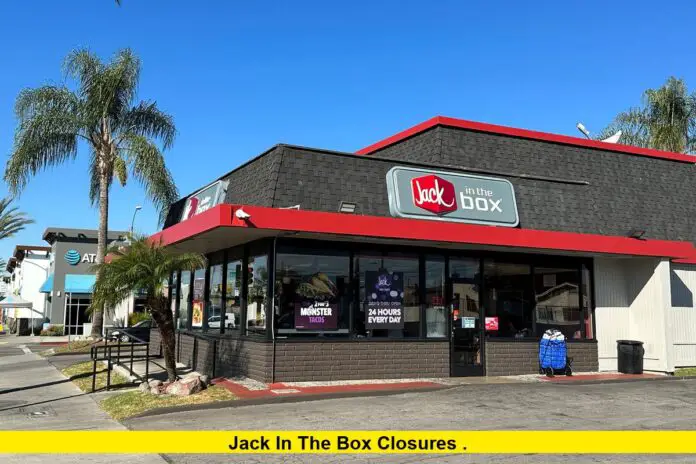
Jack in the Box closures have grabbed headlines as the fast-food chain accelerates its store reduction strategy across the United States. Customers from California to Texas wake up to signs on their favorite drive-thrus announcing permanent shutdowns. This wave of closures signals deeper challenges in the quick-service restaurant industry.
Recent Surge in Shutdowns
Jack in the Box announced plans earlier this year to close up to 200 underperforming locations by the end of 2025. Company executives cite rising operational costs, shifting consumer habits, and intense competition from rivals like Taco Bell and Wendy’s as key drivers. In Q3 2025 earnings reports, the chain reported a 4% dip in same-store sales, prompting swift action to streamline its footprint.
Executives emphasize that these moves aim to boost profitability. Never ones to shy away from bold decisions, Jack in the Box leaders target older stores in low-traffic urban and suburban areas. California, home to over half the chain’s 2,200 locations, bears the brunt with more than 80 closures confirmed since summer.
Why Stores Are Closing Now
Labor shortages plague the industry, with minimum wage hikes in states like California pushing hourly rates above $16. Jack in the Box struggles to staff late-night shifts, a hallmark of its 24-hour appeal. Supply chain disruptions from ongoing port delays add another layer, inflating ingredient costs for tacos, burgers, and curly fries by 12% year-over-year.
Health trends steer diners toward fresher, plant-based options, leaving traditional drive-thru menus vulnerable. Younger customers flock to apps like DoorDash for variety, reducing foot traffic at physical sites. Analysts point to real estate pressures too—skyrocketing rents force closures in prime spots where leases expire without renewal options.
Impact on Employees and Communities
Thousands of workers face uncertainty as shifts end abruptly. The chain offers relocation packages and severance to affected staff, but many in rural outposts find few alternatives. Unions in key markets push for better support, highlighting stories of long-time managers left jobless after decades of service.
Local economies feel the pinch. In midsize towns like Merced, California, and Waco, Texas, Jack in the Box served as a late-night hub for families and shift workers. Closures leave gaps in affordable dining, straining nearby mom-and-pop eateries ill-equipped to handle overflow crowds.
Strategic Pivot Under New Leadership
Jack in the Box appointed a turnaround specialist as CEO in early 2025, tasking her with modernizing the brand. The company invests $150 million in remodels for 300 surviving stores, introducing self-order kiosks and expanded vegan menus. Digital sales now account for 25% of revenue, up from 15% last year.
Partnerships with delivery giants expand reach without brick-and-mortar risks. Franchisees, who operate 90% of outlets, receive incentives to upgrade or divest underperformers. This hybrid model mirrors McDonald’s playbook, blending physical presence with app dominance.
Regional Breakdown of Closures
West Coast states dominate the list. California shutters 120 sites, targeting aging malls and strip centers. Texas follows with 35 closures, focused on oil towns hit by energy slumps. Midwest markets like Ohio and Illinois see 25 combined shutdowns, where colder weather hampers drive-thru volume.
Southern states hold steadier, with only 15 closures in Florida and Georgia. The chain spares high-volume urban clusters in Los Angeles and Dallas, doubling down on dense populations. Interactive maps on the company site let fans check local status, fueling online buzz.
Customer Reactions Pour In
Social media erupts with nostalgia. Fans mourn iconic spots like the original San Diego location, sharing photos of massive Jack’s Spicy Chicken sandwiches. Petitions circulate in communities fighting shutdowns, gathering thousands of signatures overnight.
Loyalists praise value meals under $5, urging the chain to fight back. Complaints target bland menu refreshes, with calls for bolder flavors like returning the old-school Monster Taco. Surveys show 60% of regulars plan to switch to competitors, underscoring loyalty risks.
Industry-Wide Ripple Effects
Jack in the Box closures mirror broader turmoil. Burger King axed 100 sites this year, while Sonic trimmed 50. Rising beef prices, up 8% due to drought, squeeze margins across beef-heavy menus. Inflation-weary diners cut fast-food visits by 7%, per industry trackers.
Tech integrations offer hope. AI-driven inventory cuts waste by 20%, and robot fryers speed service in test kitchens. Chains eye ghost kitchens in high-rent cities, serving app orders only to slash overhead.
Future Outlook for Surviving Locations
Expect sleeker designs with outdoor seating and EV charging. Jack in the Box tests alcohol sales in select spots, blending dine-in vibes with quick eats. Menu overhauls feature loaded fries and cauliflower wings to lure health-conscious crowds.
Franchise growth targets Sun Belt boomtowns like Phoenix and Atlanta. The chain eyes 50 new builds by 2027, offsetting closures with expansion in growth corridors. Stock prices rebound 5% post-announcement, signaling investor confidence.
Lessons from Past Turnarounds
Jack in the Box rebounded from E. coli scandals in the 1990s by overhauling food safety. Today’s closures echo that resilience, pruning weak links for stronger growth. Competitors watch closely, as streamlining could set a template for 2026.
Executives host town halls, gathering frontline input for tweaks. This grassroots approach rebuilds trust, positioning the brand for digital-first dominance.
What This Means for Fast-Food Fans
Diners adapt by hunting deals via apps, where Jack in the Box offers 2-for-1 tacos. Boycotts fizzle against convenience, but vocal fans drive viral campaigns for menu revamps. The chain’s quirky jack-in-the-box mascot stars in TikTok ads, pulling Gen Z with humor.
Urban closures accelerate food desert concerns, prompting city councils to incentivize replacements. Rural holdouts thrive on community ties, proving location trumps trends sometimes.
Jack in the Box navigates choppy waters with calculated cuts, betting on innovation to reclaim market share. As drive-thrus dim across America, survivors evolve into multifaceted hubs.
What do you think about these Jack in the Box closures? Share your local stories or favorite menu hacks in the comments below and stay tuned for updates.

