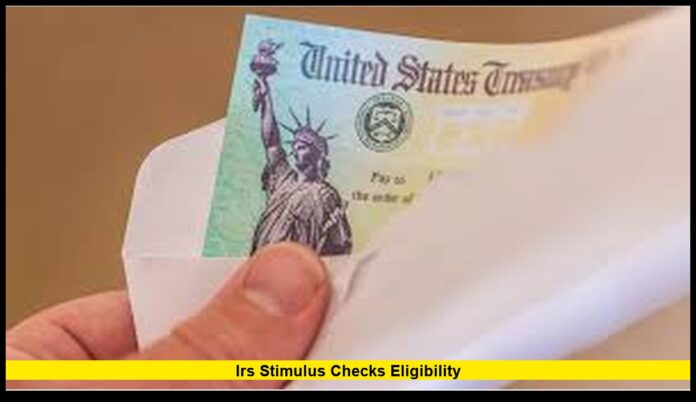
IRS stimulus checks eligibility continues to be one of the most searched financial topics in the United States as millions of Americans look for clarity on whether any payments are still available in 2025. Confusion has grown due to viral claims, misleading headlines, and recycled information from earlier pandemic programs. As of today, the facts are clear and verified: there are no new nationwide federal stimulus checks approved, but limited IRS-related payments connected to past eligibility rules have already been issued or closed. This article provides a complete, current, and factual breakdown focused entirely on eligibility, status, and what Americans need to know right now.
Table of Contents
The Current Reality of IRS Stimulus Checks in 2025
At the federal level, stimulus checks were a response to extraordinary economic disruption during the COVID-19 pandemic. Those programs ended years ago, and Congress has not authorized a new round of universal stimulus checks in 2025. The IRS is not creating or issuing new economic relief payments on its own authority.
What remains active in public discussion is confusion around past programs that continued processing into 2024 and early 2025. These were not new stimulus checks. They were late or corrected payments tied to previous eligibility under older laws.
The IRS has clearly stated that it only distributes payments that are authorized by law. Without new legislation, there are no new federal stimulus checks being generated, scheduled, or planned.
Understanding What Stimulus Checks Were
Stimulus checks, officially known as Economic Impact Payments, were issued in three rounds:
- First round in 2020
- Second round in late 2020
- Third round in 2021
Each round had specific income limits, filing requirements, and dependent rules. Eligibility depended on adjusted gross income, tax filing status, and Social Security number validity.
These payments were one-time emergency relief, not recurring benefits. Once the programs ended, the IRS stopped issuing them except in cases where taxpayers were legally owed money they never received.
Recovery Rebate Credit: The Final Federal Payment Window
The last stimulus-related payments distributed by the IRS were connected to the Recovery Rebate Credit. This credit allowed eligible individuals to claim stimulus money they missed in 2021.
During late 2024 and early 2025, the IRS reviewed millions of tax records and automatically issued payments of up to $1,400 to taxpayers who qualified but never claimed the credit.
This was not a new stimulus program. It was a correction process.
Who Qualified for Recovery Rebate Credit Payments
- Individuals who were eligible for the 2021 stimulus but did not receive it
- Taxpayers who filed a 2021 return but left the credit blank or entered zero
- Income levels within the original stimulus thresholds
Important Status Update
The deadline to file a 2021 tax return to claim this credit has passed. No further Recovery Rebate Credit payments are being processed.
If you did not receive a payment and missed the deadline, federal law does not allow the IRS to issue it now.
Why People Still Think New Stimulus Checks Are Coming
Public confusion persists for several reasons:
- Old articles resurface online without dates
- Social media creators post unverified claims
- Headlines exaggerate proposed ideas
- State-level payments are mistaken for federal stimulus
In 2025, several political proposals and public statements referenced possible future payments. These ideas never became law. Without legislation passed by Congress and signed into law, the IRS cannot act.
No matter how widely a claim spreads, it does not change eligibility rules or create payments.
No $2,000 or $1,400 Stimulus Checks Approved in 2025
One of the most common rumors claims that the IRS is preparing to send $2,000 checks to all Americans. This is false.
Another version suggests new $1,400 payments are being issued. This confusion comes from the Recovery Rebate Credit payments already completed.
As of today:
- No universal stimulus checks are approved
- No direct deposits are scheduled
- No eligibility applications exist
Any message claiming otherwise should be treated with caution.
IRS Authority and Legal Limits
The IRS does not create stimulus programs. It only enforces tax law.
For a stimulus check to exist, three things must happen:
- Congress passes a bill
- The President signs it into law
- The Treasury and IRS receive authority and funding
None of these steps have occurred for a new program in 2025.
This legal structure protects taxpayers but also means rumors cannot become reality without official action.
Stimulus Check Scams and Eligibility Traps
As interest remains high, scams have increased.
Common scam tactics include:
- Fake IRS emails promising stimulus money
- Text messages asking for bank details
- Calls claiming missed eligibility
- Websites offering to “unlock” payments
The IRS does not:
- Contact taxpayers by text or social media
- Ask for personal data through email
- Charge fees to release payments
If someone claims they can help you “qualify” for a stimulus check in 2025, it is almost certainly a scam.
State Payments vs Federal Stimulus Checks
Another source of confusion is state-issued relief.
Some states have issued:
- Tax rebates
- Inflation refunds
- Budget surplus payments
These are not IRS stimulus checks. Each state sets its own rules, income limits, and timelines.
Eligibility for state payments does not mean eligibility for federal stimulus checks.
What IRS Payments Still Exist in 2025
While stimulus checks are over, the IRS still issues other payments:
- Tax refunds
- Child Tax Credit refunds
- Earned Income Tax Credit refunds
- Amended return adjustments
These are part of normal tax administration and should not be confused with stimulus programs.
How to Check Your IRS Payment History
If you are unsure whether you received past stimulus payments:
- Review your IRS tax account transcript
- Check past direct deposit records
- Look at your 2020 and 2021 tax returns
This helps confirm whether you already received all payments you were entitled to.
Eligibility Myths That Need to Stop
Let’s clarify common misunderstandings:
- Filing taxes does not automatically trigger stimulus checks
- Having low income does not create new eligibility
- Seniors are not receiving special stimulus payments
- Veterans are not getting separate IRS checks
- Children born after 2021 do not qualify for stimulus money
Eligibility is tied strictly to past laws.
Economic Conditions and Stimulus Policy
Some people assume inflation or high prices automatically lead to stimulus checks. That is not how federal policy works.
Stimulus checks are rare tools used during extreme emergencies. Current economic conditions do not meet the criteria that previously triggered them.
Any future relief would require extensive debate and new laws.
What Would Change Eligibility in the Future
Only one thing could change IRS stimulus checks eligibility:
- New federal legislation
Until that happens:
- No payments exist
- No applications exist
- No eligibility rules exist
Monitoring official announcements is the only reliable way to stay informed.
Why Accurate Information Matters
Misinformation causes financial stress. Many households delay budgeting decisions while waiting for money that is not coming.
Knowing the truth allows families to:
- Plan realistically
- Avoid scams
- Focus on real tax benefits
- Use available credits correctly
Clarity is more valuable than false hope.
Frequently Asked Eligibility Questions
Are stimulus checks taxable?
No. Past stimulus payments were not taxable income.
Can I still claim missed stimulus money?
No. All federal deadlines have passed.
Will the IRS issue surprise payments?
No. All payments are announced publicly.
Is there a secret eligibility list?
No. Eligibility was defined by law and is closed.
Final Summary: IRS Stimulus Checks Eligibility in 2025
- No new federal stimulus checks are approved
- Recovery Rebate Credit payments are complete
- Deadlines to claim missed checks have passed
- Social media claims are largely inaccurate
- The IRS cannot issue payments without new law
Understanding these facts helps Americans avoid confusion and make informed financial decisions.
If you’ve been following IRS stimulus checks eligibility updates or have questions about past payments, share your thoughts below and stay informed as policies continue to evolve.

