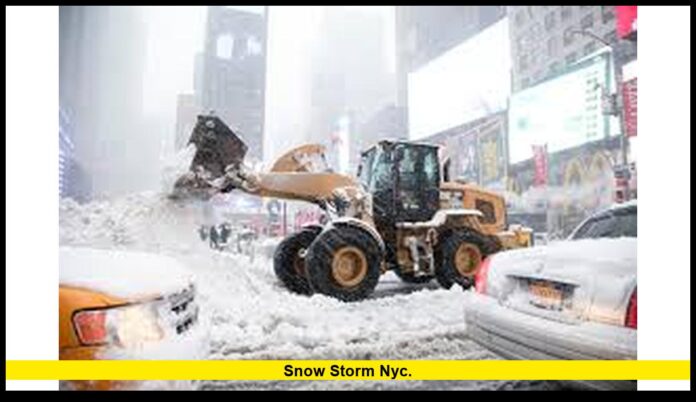
The snow storm NYC that moved through the New York City area over the holiday weekend has left a sweeping impact across every corner of the metropolis. As of today, December 27, 2025, the storm has mostly wound down, but its effects — from travel chaos to snow cleanup and cold weather advisories — continue to shape life across the city and surrounding suburbs.
This fully updated report brings readers the latest confirmed developments on snowfall totals, emergency measures, transportation disruptions, community response, recovery efforts, and what to expect in the coming days.
Table of Contents
Storm Overview: What Happened in NYC
What began as a forecast for a strong weekend snowstorm evolved into one of the most significant post-Christmas winter events in recent years for the Northeast. The system moved through the region Friday night into Saturday morning, bringing snow, ice, and bitter cold winds.
Across the New York City area, snowfall was heavy at times and included mixed precipitation in some boroughs and suburbs. Many locations saw rapid snow accumulation, making streets slippery and causing visibility to drop in whiteout conditions. While snow totals fluctuated from location to location, the overall impact was unmistakable.
Actual Snowfall: City vs. Surrounding Areas
Snow accumulation varied significantly across the region during the storm:
- New York City proper recorded around 4 to 4.3 inches of snow as the storm wound down Saturday morning.
- Many suburban areas north and east of the city saw higher totals, with some reaching upwards of 6 to 9 inches before the storm shifted.
- Long Island, the Hudson Valley, and parts of Connecticut experienced the heavier end of precipitation, with isolated reports above 8 to 10 inches in spots.
- In some areas further from the city center, sleet and freezing rain mixed with snow, creating ice and slushy conditions that added to travel hazards.
While localized totals varied, this snowfall — particularly in the hills and suburbs — constituted the most notable December accumulation in several years for the region.
Weather So Far and End of Active Snow
As of midday Saturday, active snowfall has largely ended across most of the metropolitan area as the storm system moves away. Light flurries remain possible in outlying regions, but the intense snow bands have passed.
Temperatures remain well below freezing, which means lingering snow and ice on roadways and sidewalks. The bitter cold also slows natural melting, keeping winter conditions intact throughout the weekend.
Residents should continue to take precautions against icy surfaces even as major snowfall has ended.
Emergency Measures and Government Response
City and state officials mobilized emergency resources ahead of and during the storm:
- State of Emergency Declarations were issued for New York City and other counties, allowing government agencies to deploy snow-clearing crews, emergency responders, and support resources across the region.
- Both New York and New Jersey activated emergency operations to coordinate snow removal, transportation safety, and public advisories.
- Officials issued travel advisories urging residents to avoid non-essential travel during the storm’s peak period.
The coordinated response helped keep critical services running, though some travel disruptions and safety risks remained widespread.
Travel Disruptions: Airports and Roads
Airport Chaos Continues
One of the most visible impacts of the snow storm NYC has been on air travel.
- The city’s major airports — JFK, LaGuardia, and Newark Liberty — experienced hundreds of flight cancellations and significant delays over the storm period.
- Airlines adjusted schedules and issued travel waivers to accommodate disrupted travelers, but many passengers still reported waiting times and rescheduled flights.
This disruption occurred during one of the busiest travel windows of the year, as people return from holiday travels or prepare for New Year celebrations, compounding the inconvenience for passengers.
Road Conditions and Highways
Across the NYC region, roads and highways were snow-covered, slushy, and slick at times as plows worked to clear them.
- Surface streets — especially side streets — remained challenging to navigate early Saturday as crews shifted focus from main roads to residential blocks.
- Bridges and overpasses remained particularly treacherous due to ice buildup from below-freezing temperatures.
- State authorities in New Jersey implemented bans on commercial vehicles on certain highways to maintain safety as conditions worsened.
Even after the snow slowed, motorists were counseled to continue exercising caution and to allow extra travel time.
Public Transit and Commuter Rail Challenges
The New York City subway system remained operational through the storm, but conditions slowed service and occasionally caused delays.
Bus service faced tougher challenges, especially on routes through snowier suburban terrain and hilly areas. Some lines experienced temporary interruptions.
Commuter rail services also experienced delays as crews worked to keep tracks clear and safe. Riders were advised to monitor schedules closely, as winter conditions continued to affect timing.
Plow and Cleanup Operations Across NYC
Snow removal in New York City is a massive undertaking involving thousands of sanitation and public works personnel.
- Crews deployed snowplows, salt spreaders, and specialized heavy equipment across all boroughs.
- Priority was given to major thoroughfares, bridges, and emergency routes first, followed by residential streets.
- Alternate side parking regulations were temporarily suspended to facilitate faster and more effective plowing.
Cleanup efforts will continue through the weekend, with a shift toward clearing pedestrian walkways, local streets, and intersections.
Icy Aftermath: Safety Risks Beyond Snow
Unlike a dry, powdery snowfall, this storm’s mix of snow, sleet, and freezing rain created ice hazards in many locations.
Sidewalks, stairs, and doorsteps remained slick after snowfall ended, increasing the risk of slips and falls. Residents are urged to salt or sand walkways and stay cautious while walking, especially early in the morning and after dark.
City advisories stressed not only snow removal but ice management, especially on public pathways.
Schools, Businesses, and Daily Life Adjustments
Though most public schools were closed for winter break when the storm hit, the weather still disrupted:
- Business operations, with some companies letting employees work remotely
- Retail foot traffic during a traditionally busy post-holiday weekend
- Delivery services and logistics, especially for essential supplies
- Outdoor events and recreational plans
Many residents adjusted schedules and travel plans in response to hazardous conditions, emphasizing the disruptive power of winter weather in urban settings.
Power and Utilities Held Steady
Despite heavy snow in some areas and ice in others, widespread utility outages were largely avoided across New York City.
Utility crews remained on stand-by to respond to any service interruptions, and residents were reminded to use safe winter practices with heating equipment to avoid fire risks or carbon monoxide hazards.
Community Response and Resilience
New Yorkers are no strangers to winter weather, and the community response reflected that resilience:
- Neighbors helped each other clear snow and share information on road conditions
- Volunteers assisted elderly residents with shoveling and safety checks
- Local shelters prepared for cold-weather outreach under city safety advisories
This communal effort helped mitigate some impacts of the storm while highlighting the city’s culture of cooperation in extreme weather.
What This Snow Storm Means for NYC’s Winter Season
The snow storm NYC experience this weekend stands out for several reasons:
- It brought measurable snow during a period that many expected to be mild.
- The impact on travel during a high-demand period exposed vulnerabilities in transportation systems.
- The combination of snow and freezing rain created complex cleanup and safety challenges.
Meteorologists note that colder air patterns are now entrenched across the region, suggesting that winter weather may continue to make its presence felt over the coming months.
Looking Ahead: Weather Forecast and Next Steps
Following the storm’s passage:
- Temperatures are expected to remain below freezing well into the coming week, slowing snowmelt and preserving icy conditions.
- Light flurries or patchy snow showers may still occur, but no major systems are currently forecast immediately following this storm.
- Forecasters warn that winter conditions could return later in January, making preparation and awareness key for residents.
With winter now in full swing, New Yorkers should stay prepared for additional cold fronts or precipitation events.
How to Prepare for Ongoing Winter Conditions
Even as the storm winds down, preparation remains essential:
- Stock winter supplies, such as salt, shovels, and warm clothing
- Monitor official weather advisories for updates on icy conditions
- Plan travel with caution, allowing extra time for delays
- Check on neighbors, especially the elderly and vulnerable
Taking these steps now helps reduce risk and stress during future winter weather.
Final Thoughts on Snow Storm NYC
The snow storm NYC has reminded residents, commuters, and travelers how quickly winter systems can reshape life in a major city. From snowfall and ice to travel delays and cleanup challenges, this storm will be remembered as a defining December weather event for the region.
How did the snow storm NYC impact your plans or neighborhood? Share your story in the comments and stay safe as winter continues across the city.

