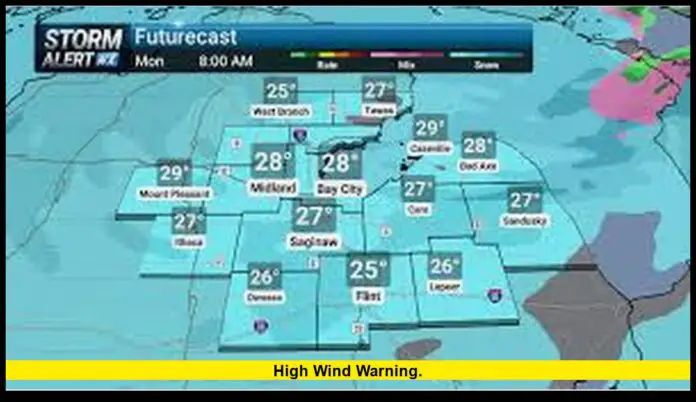
A high wind warning remains in effect across multiple U.S. regions on December 29, 2025, as powerful winter storm systems continue to generate severe wind conditions that are disrupting travel, contributing to power outages, and creating hazardous conditions for millions of Americans. Today’s weather highlights confirmed active wind events across the West, Midwest, and Northeast, with gusts and sustained winds strong enough to pose serious safety risks. Meteorologists are tracking major wind impacts tied to dramatic pressure changes and intense winter storm activity passing across the country.
This comprehensive update provides the latest factual information, clearly explains what a high wind warning means, identifies the most affected areas, and offers critical safety guidance for U.S. residents coping with these dangerous weather conditions.
Table of Contents
What a High Wind Warning Is and Why It Matters
A high wind warning is a weather alert issued by the National Weather Service when sustained strong winds and powerful gusts are occurring or expected with enough intensity to threaten safety, infrastructure, and daily life. These warnings are among the most serious non-tropical wind alerts outside of hurricane conditions and indicate a need for immediate action to protect people and property.
A high wind warning typically involves:
- Sustained wind speeds and gusts that can exceed safe thresholds for general travel and outdoor safety.
- Downed trees and power lines, often leading to outages.
- Hazardous driving, especially for high-profile vehicles.
- Flying debris, which can injure people and damage structures.
- Disrupted transportation, including delays and cancellations for flights and road closures.
When this warning is active, residents should seek shelter, secure loose outdoor objects, and avoid unnecessary travel until conditions improve.
National Overview: Widespread Wind Impacts on December 29, 2025
Across the nation, high winds are part of large weather systems moving eastward. Winter storms and rapid pressure changes are driving hazardous wind events in several areas simultaneously.
Midwest and Great Lakes Region: Michigan and Surrounding States
Parts of Michigan remain under a high wind warning as a powerful winter storm sweeps through the region, combining heavy snow with wind gusts that are creating whiteout conditions and dangerous travel hazards. Gusts in this region are reaching speeds strong enough to reduce visibility and disrupt infrastructure.
- Winds across the western Lower Peninsula are producing gusts up to around 60 mph, contributing to hazardous blowing snow and potential blizzard-like conditions.
- Winter Storm Warnings accompany these wind alerts due to heavy snow and lake effect snow bands.
- Roads in many Michigan counties are treacherous, and travel is discouraged during peak wind and snowfall periods.
Across the Midwest, other states such as Ohio, Pennsylvania, and parts of the broader Great Lakes region are also seeing strong wind gusts tied to the storm’s expansive influence. Cities including Cleveland and areas of northern Ohio are contending with gusts up to 65 mph, amplifying the risks posed by existing winter weather.
In many locations, wind is not the only hazard. Snowfall coupled with frost and ice affords a multi-threat scenario where roads can become immobilized and travel dangerous without careful planning.
California: Tejon Pass and Mountain Regions
In Southern California, a high wind warning is in effect through mid-afternoon for key mountain corridors, including:
- Western Santa Monica Mountains
- Santa Susana Mountains
- I-5 corridor near Tejon Pass
- Western San Gabriel Mountains
Strong offshore and pass winds are actively blowing through these areas, producing sustained gusts that may make travel difficult, especially along highways and valley routes. Residents and travelers in and around Gorman, Acton, Malibu Bowl, and Pyramid Lake should exercise caution due to the persistent high winds.
Additional Wind Alerts Across the U.S.
Even where high wind warnings are not active, numerous wind advisories and strong wind conditions are occurring or forecast across other regions:
- Wind Advisories are impacting parts of Southern California’s inland and valley regions, where gusts are blowing unsecured objects and creating minor power disruptions.
- Wind Advisories and strong gusts are present from the Southeast into the mid-Atlantic as a cold front swings through, including areas like Delmarva and the Appalachians where winds of 40–50 mph are likely.
- Communities along the Eastern Seaboard are also bracing for breezy conditions with sharp temperature drops as the arctic air mass advances south and east.
These conditions, while not all under formal high wind warnings, still represent a significant hazard and are associated with current storm dynamics.
Latest Confirmed Weather Conditions Driving High Wind Warnings
Intense Winter Storm Progression
A major winter weather system is actively moving from the Upper Midwest toward the Northeast. This storm is intensifying due to sharp air mass contrasts, resulting in:
- Strong winds and pressure gradients that cause widespread gusty conditions.
- Heavy snow and lake effect bands in the Great Lakes region.
- Whiteout and blizzard conditions in open areas of the Plains and Midwest.
- Supplemental wind alerts extending into the Northeast and mid-Atlantic.
The storm’s dynamic evolution continues to push strong winds across broad sections of the country.
Arctic Front and Temperature Shifts
A powerful cold front has ushered in arctic air across the Midwest and parts of the South and East. This rapid temperature change amplifies wind impacts, lowering wind chill values and increasing the danger to people exposed outdoors.
Temperatures are dropping sharply where winds are strongest, meaning wind chill values can fall well below actual air temperatures, adding exposure risk especially for vulnerable populations.
Regional Impacts and Specific Conditions
Travel and Transportation Disruptions
High winds are affecting multiple forms of travel:
- Highway travel is hazardous in many states, especially in open rural areas and on elevated roadways like mountain passes.
- Flight operations are delayed or canceled in weather-impacted hubs across the Midwest and Northeast due to low visibility from snow and wind.
- Bridge crossings and elevated ramps can become unstable during strong gusts, particularly for commercial trucks and high-profile vehicles.
Drivers are urged to slow down, maintain safe distances, and use caution if travel cannot be postponed.
Power Outages and Infrastructure Stress
Across regions experiencing high winds, utility systems are under strain:
- In some Texas and Southern states, strong winds from cold fronts have contributed to tens of thousands of power outages.
- Michigan and Great Lakes providers have reported thousands of customers without power as winds and snow combine to stress the electrical grid.
- In San Antonio, wind-related power outages forced delays at medical facilities and disrupted operations for several hours.
Power disruptions can occur quickly when wind-driven tree limbs hit service lines or when gusts exceed the design thresholds of infrastructure components.
Outdoor Hazards and Personal Safety Risks
The nature of gusty wind events means that unsecured outdoor objects can become dangerous projectiles. Common hazards include:
- Flying debris like branches, signs, and patio objects
- Dislodged roofing materials or loose equipment
- Falling limbs from stressed trees
These hazards pose significant risks to people, pets, and unattended property.
Detailed Safety Guidance During High Wind Warnings
When a high wind warning is active, individuals and communities must take clear protective actions to minimize risk.
Personal Safety
- Stay indoors as much as possible.
- Avoid areas near windows where broken glass or flying debris could cause injury.
- Prepare emergency lighting and communication devices in case of power loss.
Home and Property Protection
- Secure or bring inside outdoor items like furniture, grills, and décor.
- Reinforce weak structures and remove loose branches near buildings.
- Keep generators outdoors and away from enclosed spaces to avoid carbon monoxide issues.
Vehicle and Travel Preparedness
- Delay travel if high wind conditions persist in your area.
- If you must drive, keep both hands on the wheel and drive at reduced speeds.
- High-profile vehicles (RVs, trucks, trailers) are especially vulnerable to crosswinds.
Emergency Readiness Kit
Having a basic emergency kit can aid in safety during extended wind events:
- Flashlights with extra batteries
- Non-perishable food and water
- Portable phone chargers
- First-aid supplies
Taking early preparedness actions reduces stress during a weather emergency and can speed recovery.
Comparing High Wind Warning with Other Weather Alerts
Understanding how a high wind warning stands relative to other alerts helps people take appropriate action:
| Alert Type | Meaning | Recommended Action |
|---|---|---|
| High Wind Warning | Strong, damaging winds occurring or imminent | Take immediate protective action |
| High Wind Watch | Strong winds possible | Prepare and monitor conditions |
| Wind Advisory | Strong winds present but less severe | Exercise caution |
| Gale Warning | Strong winds on coastal waters | Mariners take action |
High wind warnings represent the most urgent non-tropical wind threat outside hurricane conditions and should prompt protective measures without delay.
What to Expect in the Next Few Days
Meteorologists anticipate that parts of the severe wind and winter storm patterns will continue to shift eastward over the next 48 hours. This means:
- Regions currently under high wind warnings may see them extended or replaced with additional alerts.
- Wind conditions could persist beyond December 29 as cold air continues to spread.
- Snow and wind impacts may linger into New Year’s Eve and early January for the Northeast and Midwest.
Continued monitoring of local forecasts and alerts is essential for accurate, up-to-date information.
Community and Economic Effects of High Wind Events
Strong wind events affect more than just immediate safety:
- Schools may delay openings or close to protect students.
- Businesses could face temporary disruptions due to power loss.
- Emergency response resources may be stretched thin across regions affected by multiple hazards.
- Construction, outdoor events, and supply chains can be delayed.
Understanding these wider impacts helps communities plan and adapt more effectively.
Preparedness Tips Beyond Today
High wind events are seasonal and can recur during transitional weather patterns. Long-term preparations include:
- Trimming trees and maintaining vegetation around your home.
- Checking and reinforcing roof structures and outdoor sheds.
- Setting up reliable weather alert systems on phones or radios.
- Keeping emergency supplies accessible year-round.
These measures help limit risk when extreme winds return.
Your Experience Matters
As high winds continue to impact parts of the United States today, staying aware and responding to alerts is vital for safety. Conditions can change rapidly, and personal observations help communities stay informed.
What wind conditions are you experiencing right now? Comment below to share your local update and help others stay aware!

