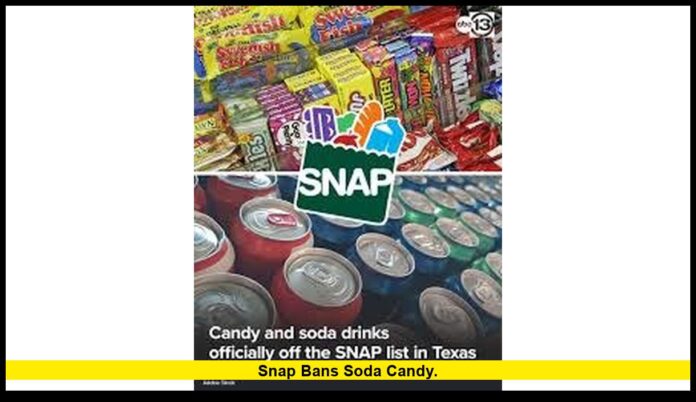
The landscape of food assistance in the United States is undergoing a historic transformation as SNAP bans soda candy and other low-nutrient items across numerous states beginning January 1, 2026. This sweeping change to the Supplemental Nutrition Assistance Program will affect millions of Americans, reshaping how benefits can be used at grocery stores, prompting widespread debate, and sparking a broad national conversation about health, nutrition, dignity, and public policy.
The move reflects a major effort by federal and state policymakers to tie public assistance dollars to healthier food choices. But while supporters praise the effort as a public health breakthrough, critics argue the changes are confusing, stigmatizing, and may not achieve the desired health outcomes without broader reforms to food access and affordability.
In this comprehensive article, we break down every angle of this shift — from what exactly is changing, where it’s happening, how it affects SNAP recipients, and what to expect next in this momentous policy overhaul.
Table of Contents
The 2026 Shift: What SNAP Bans Soda Candy Means
Starting January 1, 2026, multiple U.S. states are rolling out new limits on what items can be purchased with SNAP benefits. Under these changes, state-approved programs will ban the use of SNAP benefits for soda, candy, and other sweetened snacks and beverages deemed to have low nutritional value.
Until now, SNAP — long known as the federal food stamp program — allowed recipients to purchase almost any food item, including candy, soda, and sugary drinks, with their benefits. Those exceptions were limited to alcohol, hot prepared meals, and certain non-food items. But this new era marks a dramatic shift.
Under the finalized rules, SNAP bans soda candy and similar junk food items so that federal food assistance supports nutrition goals.
Which States Are Implementing the New Restrictions?
The movement is rolling out in stages, with the first wave already underway as of January 1, 2026. The following states have implemented bans on soda, candy, and similar items through SNAP benefits:
- Indiana – Prohibits the use of SNAP benefits to buy soda, candy, and certain sweetened drinks.
- Iowa – Enforces restrictions that include candy, soda, and a broad range of prepared taxable items.
- Nebraska – Blocks soda and energy drinks from being purchased with SNAP benefits.
- Utah – Bans soda purchases with SNAP.
- West Virginia – Also prohibits using SNAP benefits for soda and certain sweetened beverages.
These initial five states represent the first group to adopt the SNAP bans soda candy rules and begin enforcing them at grocery store checkouts. This effort will affect an estimated 1.4 million SNAP recipients in those states alone.
But these aren’t the only states planning changes.
By mid-2026, at least 18 states are expected to have SNAP food-restriction waivers in place that limit purchases of soda, candy, energy drinks, sweetened beverages, and even some prepared desserts and processed snacks. These additional states include Texas, Florida, Colorado, Oklahoma, Louisiana, Idaho, Arkansas, Hawaii, North Dakota, South Carolina, Tennessee, Virginia, and others that have received approval to roll out restrictions later in 2026.
The details vary by state — for instance, some states ban candy and soda altogether, while others also include energy drinks or certain kinds of sweetened fruit drinks. But every participating state aligns on one core goal: reducing purchases of products with minimal nutritional value.
Why SNAP Bans Soda Candy: The Rationale Behind the Policy
Proponents of the SNAP bans soda candy policy argue it is a public health initiative designed to reduce chronic disease and improve nutrition among low-income Americans. Health and agriculture officials have emphasized that taxpayer-funded benefits should support healthier eating habits, reduce long-term health costs, and help mitigate diet-related illnesses like obesity and type 2 diabetes.
Supporters have stated that allowing SNAP dollars to purchase soda and candy, which are linked to poor health outcomes, undermines both federal nutrition guidelines and broader efforts to encourage wholesome diets. The policy is often described by advocates as a way to steer benefits toward foods that fuel better health — such as fruits, vegetables, lean proteins, dairy, whole grains, and other nutrient-dense staples.
Meanwhile, SNAP bans soda candy policies have been framed as part of a larger strategy to align food assistance with nutritional goals across other government programs. Policymakers believe that incentives matter and that shifting purchasing patterns through benefit restrictions can lead recipients to choose healthier options.
What Foods Are Still Eligible With SNAP Benefits?
Even as SNAP bans soda candy and certain junk foods, the program still covers a wide array of nutritious and essential items shoppers rely on every day. These include:
- Fresh, frozen, and canned fruits and vegetables
- Meats, poultry, and seafood
- Dairy products such as milk, yogurt, and cheese
- Bread, rice, pasta, and cereal
- Beans, legumes, and plant-based proteins
- Seeds and plants that produce foods
- 100% fruit juice and beverages with significant nutritional value (where allowed)
The intention is not to restrict access to food overall but rather to exclude products that offer little to no nutrition while still preserving the ability of recipients to buy essential and wholesome groceries.
However, the precise list of restricted items varies by state. Some states include restrictions on energy drinks or certain types of sweetened beverages beyond traditional soda, while others focus primarily on the most sugary and least nutritious items.
This patchwork approach means that SNAP recipients may face different rules depending on where they live, making local education and clear communication essential.
How Grocery Stores and Retailers Are Adjusting
Implementing the SNAP bans soda candy policies has required significant adjustments from retailers, especially in states enforcing the new rules. Grocery stores have had to update point-of-sale systems to recognize restricted items and automatically block payment with SNAP benefits when customers try to buy them.
This involves:
- Updating barcode databases so that cash registers and self-checkout machines can differentiate restricted products from eligible ones.
- Training cashiers to understand the new rules and help customers navigate the changes.
- Reconfiguring self-checkout software to flag restricted items and prompt alternate payment methods.
While many large retail chains were able to modify their systems quickly, smaller independent retailers — particularly in rural areas — have reported challenges due to limited technical capacity and tight budgets for upgrades.
Retail industry groups have also warned of longer checkout times and potential disputes at registers as consumers and staff learn to navigate these new restrictions. For stores near state borders, there are even reports of SNAP recipients choosing to shop in neighboring states without restrictions to avoid limitations on their benefits.
The Impact on SNAP Beneficiaries
For SNAP recipients, the shift to SNAP bans soda candy represents a major change in shopping habits and budgeting.
Here’s what recipients are experiencing or should expect:
- Soda, candy, and certain sweetened drinks can no longer be purchased with SNAP benefits in participating states. If someone still wants these items, they must be paid for with cash, debit, or other non-SNAP funds.
- Planning ahead is crucial. SNAP users now need to be aware of which products are eligible before heading to the grocery store.
- Product confusion and checkout delays may occur as both shoppers and cashiers get accustomed to the new lists of restricted foods.
- Potential stigma or embarrassment for recipients learning about the changes at checkout, which has been a major concern raised by advocacy groups supporting SNAP users.
Supporters of the policy argue that these shifts encourage healthier purchasing behavior. But critics counter that limiting choices without addressing broader issues like food deserts, affordable fresh produce access, and income inequality may not improve dietary habits on its own.
Some SNAP users have already reported feeling frustrated or confused, especially when seemingly similar products are treated differently — such as diet soda versus sugary soda, or snacks with minimal added sugar compared to traditional candy.
Support for the SNAP Bans Soda Candy Movement
Supporters of these new restrictions argue that:
- Public funds should support nutritious choices. Because SNAP is funded by taxpayers, many policymakers believe it should encourage healthier eating.
- Chronic disease prevention matters. Reducing consumption of soda, candy, and other ultra-processed foods may help curb rising rates of obesity and diabetes.
- Aligns with broader nutrition goals. Other government programs already incorporate nutrition standards, and introducing similar principles to SNAP is seen as a logical step.
Some public health advocates also highlight that incentivizing healthier eating — including programs that offer extra benefits for fruits and vegetables — can complement restriction policies and steer recipients toward beneficial foods.
Criticism and Major Concerns
Opposition to the SNAP bans soda candy policies has come from a variety of voices, including anti-hunger groups, nutrition experts, and public policy analysts. Major criticisms include:
- Stigmatization of SNAP recipients. Critics argue that these restrictions treat recipients differently from other shoppers and imply judgment about their food choices.
- Effectiveness is unproven. While limiting access to soda and candy might seem logical, some experts say there’s limited evidence that such restrictions significantly improve health outcomes without broader systemic changes.
- Technical challenges and confusion. Point-of-sale systems may misclassify items, and unclear definitions of restricted products can lead to customer frustration.
- Economic impacts on small retailers. Upgrading systems to comply with state-specific restrictions can be costly, especially for small grocery stores.
- Access issues. Critics emphasize that many low-income communities lack access to affordable, healthy food options, making restrictions less effective without improved food access.
Advocacy groups also argue that education, incentives, and broader poverty alleviation efforts would be more effective than punitive bans on specific items.
National Trends: How Many States Are on Board?
While five states already have SNAP bans soda candy restrictions in place, the broader picture shows a significant trend:
As of the end of 2025, at least 18 states have received federal approval to limit junk food and soda purchases with SNAP benefits at some point in 2026. These states include:
- Arkansas
- Colorado
- Florida
- Hawaii
- Idaho
- Indiana
- Iowa
- Louisiana
- Missouri
- Nebraska
- North Dakota
- Oklahoma
- South Carolina
- Tennessee
- Texas
- Utah
- Virginia
- West Virginia
These waivers allow each state to define restricted items differently, meaning what counts as a banned product in one state might not be restricted in another.
This growing list indicates that SNAP bans soda candy and other low-nutrient food restrictions could become commonplace across much of the U.S. by the end of 2026.
Balancing SNAP Policy With Broader Nutrition Goals
The debate over SNAP bans soda candy reflects a larger question about how best to promote healthy eating in the United States. Beyond restricting certain items, many advocates support pairing bans with positive incentives — such as offering extra SNAP dollars for purchasing fruits, vegetables, and whole foods.
Other proposed solutions include:
- Nutrition education programs for SNAP recipients
- Improved access to grocery stores in underserved areas
- Subsidies for healthy foods and farmers’ markets
- Partnerships with community organizations to promote meal planning and cooking skills
Supporters of these complementary strategies argue that combining restrictions with education and access initiatives will be more effective at improving public health than bans alone.
What’s Next for SNAP in 2026 and Beyond
Looking ahead, the SNAP bans soda candy trend is expected to expand throughout 2026. More states may adopt similar waivers, and federal agencies will likely monitor the impacts of these changes on purchasing behavior and health outcomes.
Key developments to watch include:
- Data on health impacts. Will rates of soda and candy consumption decline significantly in participating states?
- Retail adaptation. How smoothly will grocery stores and checkout systems handle restrictions?
- Policy feedback. Will SNAP users and advocacy groups push for adjustments or reversals?
- Expansion or rollback. Future administrations could expand, refine, or even roll back these policies based on results and public opinion.
As more data emerges, SNAP policy could continue to evolve in the years ahead.
Final Thoughts
The SNAP bans soda candy policy marks one of the most transformative changes to food assistance in recent U.S. history. Whether this shift leads to improved public health, economic challenges, or unexpected consequences remains to be seen.
But one thing is clear: the way federal benefits can be spent is changing — and the effects will be felt widely by recipients, retailers, policymakers, and communities across the nation.
Let us know what you think about these changes and how they affect you or your community. Your voice matters in this ongoing conversation about health, food access, and dignity for all.
Frequently Asked Questions
What does SNAP bans soda candy mean?
It means SNAP benefits can no longer be used to buy soda, candy, and certain other low-nutrient foods in participating states.
Does this change apply nationwide?
Not yet. Only states with approved restrictions are enforcing the new rules, but more states plan to adopt similar policies throughout 2026.
Can SNAP users still buy soda with personal money?
Yes. The ban only applies to purchases made with SNAP benefits; recipients can use cash or other payment methods for restricted items.
Disclaimer
This article is for informational purposes only. SNAP rules and state policies may change. Readers should verify current eligibility guidelines and restrictions with official state or federal resources before making decisions based on this content.

