Winter weather can change in seconds, and understanding what is a snowsquall has become increasingly important for drivers across the United States. In recent hours, sudden snow squall warnings, including one affecting Sullivan County, have highlighted how quickly normal travel conditions can turn dangerous without much warning. These fast-moving winter events may be brief, but their impact can be severe.
Snow squalls are often underestimated because they do not last long or produce large snow totals. However, their ability to create whiteout conditions and icy roads almost instantly makes them one of the most dangerous winter weather threats, especially for motorists.
Table of Contents
What Is a Snow Squall
A snow squall is a short-lived but intense burst of heavy snow accompanied by strong, gusty winds. Unlike traditional snowstorms that develop over several hours and persist through the day, snow squalls form rapidly and usually last less than an hour in any given location.
The defining characteristics of a snow squall include:
- Sudden heavy snowfall over a very short period
- Strong winds that blow snow across roadways
- Rapid drops in visibility, sometimes to near zero
- Temperatures cold enough to quickly freeze road surfaces
Because snow squalls move quickly, people often have little time to react once conditions begin to deteriorate.
Why Snow Squalls Are So Dangerous
The danger of snow squalls lies in their speed and intensity. Conditions can go from clear skies to near whiteout in minutes. Drivers may not realize what they are driving into until visibility suddenly vanishes.
Sudden Visibility Loss
One of the biggest hazards is the rapid reduction in visibility. Blowing snow can make it nearly impossible to see the road ahead, other vehicles, or lane markings. This creates a high risk of chain-reaction crashes.
Instantly Slick Roads
Snow squalls often occur when pavement temperatures are already below freezing. As snow falls quickly, roads can become icy almost immediately, reducing tire traction and increasing stopping distances.
High Risk for Multi-Vehicle Accidents
Many serious winter accidents occur during snow squalls because drivers are caught off guard. Vehicles may slow abruptly or stop entirely, while approaching traffic cannot see the hazard ahead in time to react safely.
Strong Wind Gusts
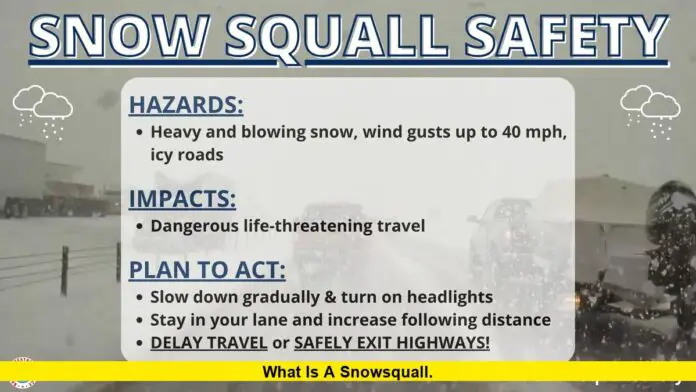
Wind gusts commonly exceed 30 miles per hour during a snow squall. These winds push snow across roads, worsen visibility, and can make vehicles harder to control.
Snow Squall Warnings Explained
A snow squall warning is issued when dangerous conditions are expected to develop very soon in a specific area. These warnings are short-term and highly localized, similar to warnings issued for severe thunderstorms.
Snow squall warnings are designed to alert the public to:
- Rapidly worsening travel conditions
- Extremely low visibility
- Hazardous road surfaces
- Immediate threats to life and safety
Unlike winter storm warnings, snow squall warnings are not based on snowfall totals. Instead, they focus on how quickly conditions will change and how dangerous those changes will be.
Sullivan County Placed Under a Snow Squall Warning
Sullivan County was recently placed under a snow squall warning as a fast-moving band of heavy snow moved through the region. The warning alerted residents and travelers to the possibility of sudden whiteout conditions, gusty winds, and icy roads.
Local drivers were urged to slow down, avoid unnecessary travel, and prepare for rapidly changing conditions. The warning emphasized that even a short drive could become hazardous if a snow squall developed overhead.
Events like this demonstrate why snow squall warnings are taken seriously, even when overall snowfall amounts remain low.
How Snow Squalls Differ From Other Winter Weather
Understanding how snow squalls differ from other winter events helps explain why they are so dangerous.
Snow Squall vs. Snowstorm
A snowstorm typically develops gradually and lasts for hours or days. Forecasts usually provide advance notice, allowing people to prepare. Snow squalls, on the other hand, strike suddenly and end quickly, often before people realize what is happening.
Snow Squall vs. Blizzard
Blizzards involve widespread areas of heavy snow, strong winds, and long-lasting whiteout conditions. Snow squalls are more localized and short-lived but can be just as dangerous during their brief duration.
Who Is Most at Risk During Snow Squalls
Certain groups face higher risk during snow squalls:
- Commuters traveling during early morning or evening hours
- Truck drivers and commercial vehicle operators
- Drivers on highways and rural roads with high speeds
- Areas with limited road lighting
Because snow squalls can occur during otherwise calm winter days, drivers may not be mentally prepared for sudden hazardous conditions.
What to Do During a Snow Squall Warning
If a snow squall warning is issued for your area, immediate action can reduce your risk.
Before Driving
- Check weather alerts before heading out
- Delay travel if conditions are uncertain
- Allow extra time for any necessary trips
While Driving
- Slow down immediately when snow begins
- Turn on headlights to improve visibility
- Increase following distance
- Avoid sudden braking or sharp turns
If Conditions Become Too Dangerous
- Safely pull off the road if possible
- Turn on hazard lights
- Wait for the squall to pass before continuing
Snow squalls often move through quickly, so waiting a short time can make travel much safer.
Why Awareness Matters
Many winter driving accidents occur not because of prolonged storms, but because of sudden weather changes. Snow squalls exemplify this risk. Public awareness of what they are and how to respond can save lives.
As winter continues, regions prone to cold fronts and lake-effect snow should remain especially alert. Snow squalls can form rapidly with little warning, even on days that begin with clear skies.
Looking Ahead
Snow squalls will remain a recurring winter hazard across much of the United States. As forecasting technology improves, warnings are becoming more precise, giving people critical minutes to react. However, personal awareness and caution remain essential.
Understanding the risks and respecting snow squall warnings can make the difference between a safe journey and a dangerous situation on winter roads.
Have you ever been caught in a snow squall while driving or traveling? Share your experience or stay tuned for more winter weather updates as conditions continue to change.

