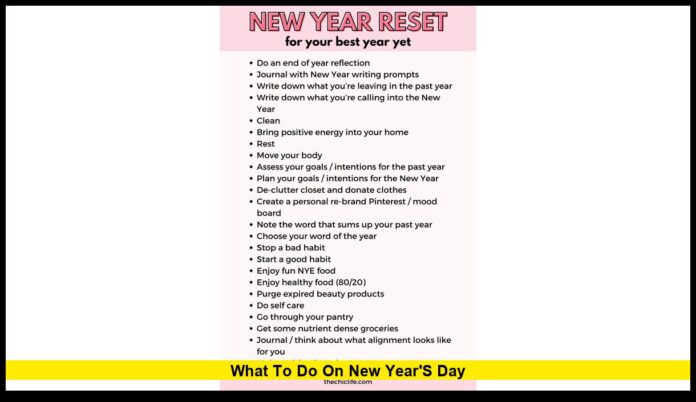
What to do on New Year’s Day is one of the most searched questions as Americans wake up to January 1 and look for meaningful, relaxing, or energizing ways to begin the year. New Year’s Day is a federal holiday across the United States, and for many people it represents a rare pause after the excitement of New Year’s Eve. With offices closed, schools off, and many workplaces on holiday schedules, the day offers a unique opportunity to reset, reconnect, and move into the year with intention.
New Year’s Day is not a single type of experience. For some, it is quiet and reflective. For others, it is social, festive, and active. Across the country, traditions, events, and personal rituals shape how the day is spent. From early-morning parades and sporting events to brunch gatherings, outdoor walks, and at-home traditions, January 1 holds space for many different moods and lifestyles.
Table of Contents
Why New Year’s Day Matters in the United States
New Year’s Day holds cultural and emotional importance beyond being a calendar reset. It marks a shared national moment when millions of people pause at the same time. This pause creates room for reflection, rest, and renewal. Unlike other holidays that center on gifts or travel, January 1 often focuses on mindset, intention, and personal balance.
Because it is a federal holiday, many systems slow down. Government offices are closed. Banks do not operate. Mail delivery pauses. This slower pace changes how the day feels. Streets are quieter in the morning. Restaurants open later. Families linger at home. That atmosphere influences what people choose to do.
For many Americans, New Year’s Day also symbolizes a fresh chapter. Goals, resolutions, and plans are commonly discussed. Even people who do not formally set resolutions often think about habits, priorities, or changes they want to make. Activities on this day often reflect that forward-looking energy.
Morning Traditions That Set the Tone
Sleeping In and Resting the Body
After late-night celebrations, one of the most common and practical ways to begin New Year’s Day is rest. Sleep allows the body to recover from long nights, travel, and social activity. Many people intentionally avoid alarms on January 1, letting themselves wake naturally.
Resting does not mean wasting the day. It supports physical health, mental clarity, and emotional balance. A calm morning often leads to a better afternoon. For families with children, slower mornings reduce stress and create space for relaxed routines.
Quiet Reflection and Personal Time
Some people start the day with silence. This may include journaling, meditation, prayer, or simple reflection. Writing thoughts about the past year and expectations for the next one is a long-standing practice. Others choose to read, stretch, or enjoy coffee without distractions.
This quiet time helps many people feel grounded. It offers clarity before social obligations or errands begin. Even a short reflective period can shape the tone of the entire day.
Watching Traditional New Year’s Day Events
Parades and Cultural Broadcasts
New Year’s Day parades are among the most recognizable traditions in the country. Many households turn on the television in the morning to watch large-scale parades that feature marching bands, floats, and performances. These events create a shared national experience and are often watched across generations.
Parades are popular because they feel celebratory without being overwhelming. They bring color, music, and structure to the morning hours. Watching from home allows people to relax while still feeling connected to the holiday.
Sports as a New Year’s Ritual
Sports play a major role in how many Americans spend January 1. College football games, professional matches, and seasonal sports broadcasts are central to the day’s schedule. Friends and families gather around screens, discuss matchups, and enjoy food together.
Sports events provide structure to the day. They give people something to anticipate and talk about. For fans, watching games on New Year’s Day is a tradition that marks the holiday just as clearly as fireworks mark New Year’s Eve.
Brunch and Shared Meals
Why Brunch Is So Popular on January 1
Brunch has become one of the most defining New Year’s Day traditions in the U.S. Restaurants across cities and suburbs prepare special menus, and reservations often fill quickly. Brunch offers flexibility. It works for late risers and early planners alike.
The appeal lies in its relaxed nature. People can dress casually, arrive mid-morning or early afternoon, and stay as long as they like. The combination of breakfast and lunch foods satisfies a wide range of tastes.
Hosting at Home
Many families and friend groups choose to host brunch at home instead of dining out. This allows for longer conversations and a more personal atmosphere. Dishes are often simple but comforting. Coffee, baked goods, eggs, and fresh fruit are common.
Hosting also allows people to include personal traditions. Some families cook dishes believed to symbolize good fortune or prosperity. Others focus on comfort food that helps everyone ease into the year.
Outdoor Activities and Fresh Air
Taking a Walk or Visiting a Park
Getting outside on New Year’s Day is a popular choice, especially in areas with mild winter weather. Walking in a neighborhood, visiting a local park, or exploring a nature trail helps clear the mind and restore energy.
Fresh air often feels symbolic on January 1. It represents a clean start. Even short walks can improve mood and reduce stress. Many people find that movement helps them think more clearly about goals and priorities.
Seasonal Outdoor Fun
In colder regions, winter activities such as ice skating, sledding, or snow walks are common. In warmer climates, people may hike, bike, or visit beaches. Outdoor activities bring families together and encourage physical health.
These activities also create memories. Photos taken on January 1 often become yearly traditions, marking how families and individuals change over time.
Community Events and Local Attractions
Museums, Zoos, and Public Spaces
Many cultural institutions open on New Year’s Day, often with modified hours. Museums, aquariums, and zoos attract visitors who want a calm but engaging activity. These spaces are popular with families looking for educational outings.
Visiting local attractions also supports communities. It allows people to reconnect with their city after the holidays and appreciate shared cultural resources.
Community Gatherings and Celebrations
Some towns and cities host local events such as fun runs, outdoor concerts, or cultural festivals on January 1. These gatherings emphasize togetherness and civic pride. Participation varies by region, but the spirit of community remains consistent.
Attending these events helps people feel connected beyond their immediate circle. It reinforces the idea that New Year’s Day is both personal and collective.
Home-Based Activities for a Calm Day
Decluttering and Organizing
Many people choose to start the year by cleaning or organizing their living space. This activity feels productive without being stressful. Clearing clutter can improve focus and reduce anxiety.
Some people set small goals, such as organizing one drawer or one room. Others create systems for the year ahead. The act of organizing supports the idea of a fresh start.
Cooking and Comfort Food
Cooking on New Year’s Day is both practical and symbolic. Preparing meals at home saves money after holiday spending and brings people together. Comfort foods are especially popular.
Cooking also provides structure. It fills time in a satisfying way and results in something tangible. For many families, recipes used on January 1 are passed down and repeated year after year.
Connecting With Family and Friends
In-Person Gatherings
New Year’s Day is often spent with close family or trusted friends rather than large crowds. These gatherings are quieter than holiday parties and focus on conversation and presence.
People share stories from the past year and talk about upcoming plans. This sharing strengthens relationships and creates emotional continuity between years.
Virtual Connections
For those separated by distance, virtual calls and messages are common. Checking in with loved ones on January 1 helps maintain bonds. Many people make it a point to send thoughtful messages or have video calls.
These connections reinforce the idea that the new year begins with communication and care.
Personal Growth and Goal Setting
Revisiting Goals Without Pressure
While resolutions are popular, many people approach New Year’s Day with flexibility. Instead of rigid lists, they focus on themes or intentions. This approach reduces pressure and increases sustainability.
Writing goals down or talking them through with someone else helps clarify priorities. Even small steps feel meaningful on this day.
Learning and Inspiration
Some people use January 1 to read, watch educational content, or explore new ideas. This could include learning a skill, planning travel, or researching hobbies. The day’s calm atmosphere supports focus.
Learning on New Year’s Day feels hopeful. It signals a commitment to growth without urgency.
Volunteering and Giving Back
Starting the Year With Service
Volunteering on New Year’s Day has grown in popularity. Helping others creates a strong emotional start to the year. It also shifts focus outward, which many people find grounding.
Service activities vary widely. They may include helping at community kitchens, donating items, or supporting local initiatives. Even small acts contribute to a sense of purpose.
Travel and Short Getaways
Using the Holiday for Exploration
Some Americans use New Year’s Day as part of a longer holiday break. Short trips, road travel, and overnight stays are common. Traveling on January 1 can be calmer than traveling before the holiday.
These trips allow people to start the year with new scenery and experiences. Even nearby destinations feel refreshing.
Mental Health and Emotional Reset
Creating Emotional Space
The end of the year can be emotionally heavy. New Year’s Day offers a chance to process feelings. Some people feel hopeful. Others feel uncertain. Both responses are normal.
Activities that support mental health include rest, reflection, and gentle connection. Avoiding pressure to be productive helps many people feel balanced.
Mindfulness and Presence
Practicing mindfulness on January 1 helps anchor attention in the present moment. This could include breathing exercises, mindful walks, or focused listening during conversations.
Presence allows the day to unfold naturally. It reduces comparison and supports emotional clarity.
Evening Activities and Winding Down
Low-Key Entertainment
As the day ends, many people choose calm entertainment. Movies, series, board games, and reading are popular evening choices. These activities encourage relaxation.
The goal is often to maintain the gentle pace set earlier in the day. Early bedtimes are common, especially for those returning to work the next day.
Preparing for the Week Ahead
Some people use the evening to plan schedules, meals, or tasks for the coming week. This preparation reduces stress and creates a sense of control.
Planning does not need to be detailed. Even a rough outline can make the transition back to routine smoother.
Making New Year’s Day Meaningful
There is no single right way to spend January 1. The value of the day lies in how it aligns with personal needs and values. For some, that means rest. For others, activity. Many people blend both.
What matters most is intention. Choosing how to spend the day, rather than letting it pass unnoticed, helps set the tone for the year ahead. New Year’s Day remains one of the few moments when society collectively pauses, making it a powerful opportunity for reset and renewal.
How you choose to spend January 1 can shape your mindset for weeks to come, so share in the comments how you spent New Year’s Day or how you plan to make the most of it next year.

