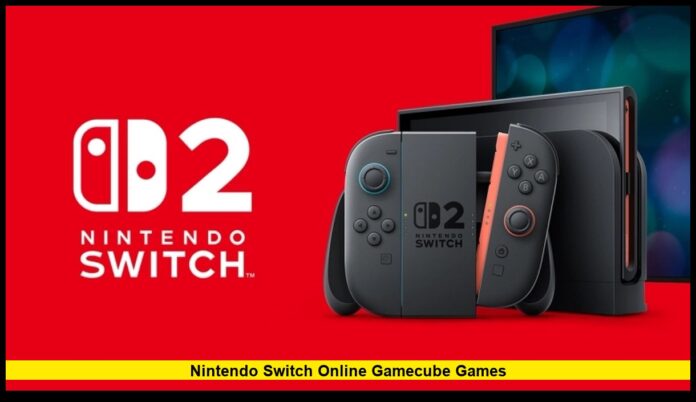
Gamers across the U.S. are buzzing about Nintendo Switch Online GameCube games as excitement builds over the platform’s expanding retro library. As Nintendo continues to grow its subscription-based online service, fans are eager to see if beloved GameCube classics will soon make their long-awaited debut. The GameCube era produced some of Nintendo’s most iconic titles, and their addition to Switch Online could mark one of the biggest updates in the service’s history.
Table of Contents
Nintendo Switch Online’s Ongoing Expansion
Nintendo Switch Online has steadily evolved since its 2018 debut. What began as a platform for online multiplayer access has become a growing hub for classic gaming. The service currently offers NES, SNES, Nintendo 64, and Game Boy Advance titles through the Expansion Pack tier — giving subscribers a nostalgic library that spans decades of gaming history.
In recent updates, Nintendo has focused heavily on fan-requested franchises, bringing back cult favorites from older systems. This trend has sparked speculation — and hope — that the next logical step will be to include the GameCube lineup. Given the popularity of its titles and the growing interest in retro gaming, many see GameCube integration as both inevitable and highly strategic.
Why GameCube Games Matter So Much
The Nintendo GameCube, released in 2001, represents a defining chapter in the company’s history — an era that balanced innovation, creativity, and technical advancement at a pivotal time for the gaming industry. While it arrived during fierce competition from the PlayStation 2 and Xbox, the GameCube carved out a special identity with its unique design, accessible gameplay, and unforgettable library of titles that shaped an entire generation of players.
This compact, cube-shaped console was more than just a piece of hardware; it was a bold statement about what gaming could be. Its emphasis on fun, experimentation, and personality made it stand apart from the realism-driven trends of its competitors. The GameCube became a home for games that weren’t afraid to take risks — titles that combined artistic style, emotional storytelling, and innovative mechanics in ways that still influence game development today.
From Super Smash Bros. Melee, which went on to become one of the most enduring competitive fighting games in history, to The Legend of Zelda: The Wind Waker, which stunned audiences with its timeless cel-shaded art style, the console’s library offered experiences that were both visually striking and mechanically ahead of their time. Metroid Prime redefined the first-person adventure genre, while Luigi’s Mansion introduced humor and charm in ways that were rare in early 2000s gaming. Even smaller titles like Pikmin and Animal Crossing showcased Nintendo’s unmatched ability to blend creativity with emotional depth.
The impact of the GameCube’s catalog extends well beyond nostalgia. These titles helped establish the foundation for many of Nintendo’s modern franchises and design philosophies. Mechanics first introduced on the GameCube — from dual-character racing in Mario Kart: Double Dash!! to the open exploration elements in The Wind Waker — continue to influence Nintendo’s newer games on the Switch today.
Bringing these classics to the Nintendo Switch Online service would do more than reignite memories for long-time fans; it would help preserve a crucial part of gaming culture. The early 2000s were a transformative time for the industry, and the GameCube era marked one of the most creative bursts in Nintendo’s history. By adding these titles to the Switch’s ecosystem, Nintendo would be giving players — both old and new — an opportunity to experience the artistry, challenge, and innovation that defined that decade.
For many, replaying these titles on modern hardware would offer both comfort and convenience. Physical GameCube discs have become increasingly rare, and functioning consoles are harder to find each year. Resale prices have soared, with some classic titles costing hundreds of dollars on collector markets. For everyday gamers who simply want to revisit their childhood favorites, accessibility has become a growing issue.
With GameCube titles officially available on Switch Online, those barriers would disappear. Fans could enjoy their favorite adventures instantly, without the hassle of outdated hardware or overpriced resales. The games could be preserved in their original form while benefiting from modern enhancements such as cloud saves, portability, and smoother performance.
Equally important, introducing GameCube classics to Switch Online would help connect generations of gamers. Parents who grew up during the GameCube era could share their favorite titles with their children on the same console. This cross-generational experience reinforces what makes Nintendo special — the ability to bring people together through play.
Ultimately, the GameCube remains a cornerstone of Nintendo’s legacy because it represents a perfect balance of innovation and heart. Its games were built to entertain but also to inspire. They were colorful, imaginative, and endlessly replayable — the kind of experiences that stick with players long after the credits roll.
Bringing these timeless games to Nintendo Switch Online would not just be an act of nostalgia; it would be a celebration of an era that helped shape the modern gaming world. The GameCube’s influence continues to live on through its unforgettable characters, stories, and ideas — and making those games available once again would ensure that its legacy continues to thrive for generations to come.
Technical Possibility and Nintendo’s Approach
Nintendo has already proven capable of emulating complex older titles on the Switch hardware. With the successful launch of N64 and Game Boy Advance libraries, the company has demonstrated its commitment to bringing legacy games to current audiences in playable, high-quality formats.
The Switch’s architecture is powerful enough to support GameCube-level performance. Modern emulation technology allows games from that generation to run smoothly, even with enhancements such as higher resolution or improved frame rates. Given these capabilities, the inclusion of GameCube titles is not a question of “if” but “when.”
Moreover, Nintendo has shown a pattern of releasing retro content gradually, often tied to anniversaries or major franchise milestones. With several GameCube-origin series celebrating anniversaries in 2026, this could be the right moment for Nintendo to surprise fans with a next-generation nostalgic expansion.
Most Requested GameCube Titles
Whenever GameCube discussions surface, fans rally around a few standout classics they hope to see return. Some of the most frequently mentioned titles include:
- Super Smash Bros. Melee – Still considered one of the greatest fighting games of all time.
- The Legend of Zelda: The Wind Waker – A timeless adventure that introduced an iconic art style.
- Metroid Prime – A genre-defining first-person action game that redefined exploration.
- Luigi’s Mansion – The original ghost-hunting adventure that launched a beloved subseries.
- Mario Kart: Double Dash!! – A fan-favorite racing game known for its unique two-driver mechanics.
- Pikmin – A real-time strategy gem that still influences Nintendo’s modern releases.
Bringing even a portion of these games to Switch Online would significantly enhance the service’s value and cement Nintendo’s reputation for preserving its gaming legacy.
What Fans Are Saying
Across online gaming communities, the anticipation surrounding the potential arrival of GameCube titles on Nintendo Switch Online is reaching fever pitch. From Reddit threads to dedicated Nintendo fan forums, social media discussions are filled with speculation, wish lists, and passionate debates about which games should headline the next big update.
For many long-time Nintendo followers, the inclusion of GameCube games feels like the final missing link in completing a digital timeline of the company’s legendary console history. The NES, SNES, N64, and Game Boy collections are already available to subscribers, but fans see the GameCube era as the bridge between classic and modern Nintendo — a period that produced unforgettable innovations in both gameplay and storytelling.
Players who grew up in the early 2000s express deep emotional attachment to that generation of games. The GameCube holds powerful nostalgia for them: sleepovers spent playing Super Smash Bros. Melee, friendly rivalries in Mario Kart: Double Dash!!, and countless hours exploring the mysterious world of Metroid Prime. Many fans now in their twenties and thirties say they want to relive those experiences — this time with the convenience and portability of the Nintendo Switch.
Social media platforms are buzzing with posts, mock trailers, and creative fan art imagining how these titles could look when reintroduced through the Switch Online interface. Hashtags celebrating the GameCube era regularly trend whenever Nintendo releases a new retro update, showing how passionate and united the community remains around the console’s legacy.
What excites players most is not just the idea of re-playing these classics, but the possibility of enhanced features made possible by today’s technology. Fans are eager for potential online multiplayer support — a feature that could redefine how iconic titles like Mario Kart: Double Dash!! and Super Smash Bros. Melee are experienced. Imagine revisiting these competitive classics, not in the same living room, but with friends across the country or even the world.
Gamers are also hopeful for other modern touches, such as save states, customizable controls, and smoother frame rates — all improvements that have been successfully integrated into previous retro releases on Switch Online. These quality-of-life enhancements could make returning to GameCube titles even more enjoyable without compromising the original experience that made them so beloved.
Beyond the technical possibilities, many fans are expressing appreciation for Nintendo’s ongoing commitment to game preservation. Players understand that making these older titles accessible again is about more than nostalgia — it’s about celebrating a defining era of creativity in gaming. For years, enthusiasts have voiced concern about the difficulty of legally obtaining and playing older Nintendo games. The introduction of GameCube classics on an official platform would finally provide a legitimate, convenient way to revisit these masterpieces.
In community discussions, excitement often turns to speculation about which games will launch first. Some predict The Legend of Zelda: The Wind Waker will headline the collection due to its iconic status and artistic impact. Others hope to see Luigi’s Mansion, Pikmin, and Metroid Prime introduced early, citing their influence on Nintendo’s modern franchises.
Younger gamers who never owned a GameCube are also joining the conversation, eager to experience these legendary titles for the first time. Many of them have only heard about the console’s classics through YouTube retrospectives or fan reviews, making this potential expansion a chance to finally play the games that shaped the modern Nintendo experience.
The overall tone from the fan base is clear — enthusiasm mixed with hope. There’s a sense that this update could be one of the most important moments in the Nintendo Switch’s lifecycle. Players see it not just as another content addition but as a celebration of the company’s evolution and a recognition of the fans who have been there since the beginning.
From casual gamers to lifelong collectors, the message is consistent: adding GameCube games would complete the circle. It would transform Nintendo Switch Online from a retro catalog into a living museum of the company’s innovation, uniting generations of players under one digital roof.
For now, fans continue to wait with eager anticipation — their excitement only growing with each new system added to the platform. Whether it happens this year or next, the discussion around GameCube integration proves one thing: the love for that era of gaming is as strong today as it was two decades ago..
Business and Cultural Impact
From a business perspective, expanding Nintendo Switch Online with GameCube titles would strengthen subscriber growth and retention. Retro gaming remains one of the industry’s most profitable niches, and players are increasingly willing to pay for convenient access to their favorite older games.
Culturally, it would reaffirm Nintendo’s role as a guardian of gaming history. In a time when physical media is fading, offering official access to classic titles ensures they remain playable for future generations. This not only delights nostalgic fans but also introduces younger audiences to the creative foundations of modern franchises.
How It Fits Nintendo’s Strategy in 2026
Nintendo’s recent moves suggest a focus on long-term service models. The Switch Online platform now plays a central role in the company’s ecosystem, connecting players through both online multiplayer and digital nostalgia. Adding GameCube games would be a natural extension of that strategy, reinforcing the value of Nintendo’s paid subscriptions.
As the Switch platform enters its later years — with rumors of a next-generation console on the horizon — expanding its content library makes strategic sense. It keeps engagement high, rewards loyal users, and ensures the Nintendo brand continues to thrive across hardware transitions.
What Makes This Move So Anticipated
The excitement surrounding the potential launch of GameCube titles on Nintendo Switch Online is unlike any previous update the platform has seen. It’s not just about adding another generation of games — it’s about timing, nostalgia, and reconnecting with one of the most beloved eras in Nintendo’s history.
The early-to-mid 2000s marked a turning point for gaming. The GameCube era represented creativity at its peak, a period when Nintendo dared to experiment with gameplay, storytelling, and artistic design. Players who grew up during that time now make up a large portion of today’s gaming audience — adults with disposable income and a longing to relive the magic of their childhood favorites. This is a generation that spent weekends exploring Super Mario Sunshine’s tropical levels, solving mysteries in Paper Mario: The Thousand-Year Door, and building communities in the original Animal Crossing.
Bringing those experiences back on a modern platform taps directly into that emotional connection. It gives fans a chance to revisit memories that shaped their love for gaming while offering new players the opportunity to experience the same joy through a contemporary lens.
A Perfect Alignment of Nostalgia and Technology
Nintendo has mastered the art of combining nostalgia with modern accessibility. Every re-release and retro collection feels designed not only to evoke memories but to showcase how timeless its games truly are. By integrating GameCube classics into the Switch ecosystem, the company would be reinforcing that legacy while expanding its reach to both veteran fans and younger audiences.
The timing couldn’t be better. The Switch has entered a mature phase in its lifecycle, with millions of dedicated users seeking new reasons to stay engaged. Meanwhile, GameCube nostalgia is peaking — fueled by social media communities, speedrunning events, and fan-driven celebrations of 2000s-era design. Nintendo’s decision to embrace that sentiment would create a cultural moment that blends past and present perfectly.
Emotional Value That Drives Engagement
For many fans, GameCube titles represent more than just games — they symbolize a specific period in their lives. These are the experiences that introduced players to deep storytelling, innovative mechanics, and unforgettable characters. The music of The Wind Waker, the charm of Luigi’s Mansion, or the competitive spirit of Super Smash Bros. Melee instantly transports fans back to a simpler time when gaming felt personal and groundbreaking.
This emotional connection is what makes the anticipation so powerful. People don’t just want to play these games again; they want to feel that sense of wonder and excitement once more. By reintroducing these titles through Nintendo Switch Online, the company would offer that nostalgic satisfaction in a convenient, accessible way — something physical collectors and emulators can’t replicate.
Expanding the Nintendo Ecosystem
Bringing GameCube titles to the Switch would also enhance Nintendo’s broader ecosystem. The company has steadily built a unified platform where players can move seamlessly between modern and classic experiences. Each new retro addition reinforces that identity — positioning Nintendo as not only a creator of new games but also a curator of its own timeless legacy.
The inclusion of GameCube titles would complete a natural progression that started with 8-bit and 16-bit classics, continued with Nintendo 64 favorites, and now moves into the early 2000s generation. This expansion keeps subscribers engaged while introducing new audiences to the evolution of Nintendo design across decades.
For the company, it’s more than a nostalgic offering — it’s a strategic investment in long-term brand loyalty. By catering to lifelong fans and simultaneously attracting younger players, Nintendo ensures its franchises remain relevant across multiple generations.
A Celebration of Timeless Game Design
One reason the GameCube era remains so cherished is its creative diversity. It was a period when Nintendo took risks — experimenting with visual styles, gameplay mechanics, and genres that felt bold and fresh. Games like Metroid Prime and The Legend of Zelda: The Wind Waker broke conventions and proved that innovation could coexist with accessibility.
Reintroducing these titles today would remind the industry why Nintendo remains a master of timeless design. The mechanics that worked 20 years ago still resonate because they prioritize fun, imagination, and emotional engagement. By making these classics playable again, Nintendo would be celebrating not just its past, but the enduring relevance of its design philosophy.
The Anticipation Is More Than Hype
What truly makes this move so anticipated is how personal it feels. Fans aren’t waiting out of curiosity — they’re waiting out of affection. The GameCube generation grew up with these titles, and they now want to share those experiences with their own families, partners, and children. It’s not just about replaying; it’s about passing down a legacy.
Every sign points to GameCube games being the next major milestone in Nintendo’s digital expansion. As the company continues to bridge the gap between old and new, this addition would stand as a defining moment — one that honors the past while pushing the Switch ecosystem toward an even brighter future.
Conclusion
The possibility of seeing GameCube games added to Nintendo Switch Online represents more than an update — it’s a celebration of one of gaming’s most creative eras. The combination of fan demand, technological feasibility, and strategic timing makes this expansion one of the most talked-about topics in gaming right now.
If Nintendo brings these classics to life once again, it will mark a defining moment for Switch Online and for fans who have waited over two decades to relive their favorite adventures in a modern, accessible way.
Which GameCube titles do you want to see first on Nintendo Switch Online? Share your picks and join the discussion below!

