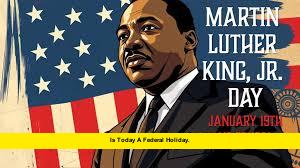
For millions of Americans checking calendars and business hours this morning, one question stands out: is today a federal holiday? The answer is yes. January 19, 2026, is officially observed nationwide as Martin Luther King Jr. Day, one of the United States’ recognized federal holidays. The designation affects government operations, financial markets, schools, and many everyday services, while also marking a day of remembrance and civic participation centered on the legacy of Dr. Martin Luther King Jr.
This annual observance goes beyond a simple day off. It carries historical weight, legal recognition, and a strong emphasis on community service, making it one of the most meaningful dates on the federal calendar.
Table of Contents
Why January 19 Is Officially Recognized
Martin Luther King Jr. Day is observed on the third Monday of January each year. In 2026, that Monday falls on January 19. The holiday honors the civil rights leader whose nonviolent movement reshaped American law and society, leading to landmark advances in racial equality and voting rights.
The federal designation means the day is written into national statute and recognized across all branches of the U.S. government. It places the observance alongside other nationally mandated holidays such as Independence Day, Memorial Day, and Thanksgiving.
How Federal Holidays Affect Daily Life
When a date is declared a federal holiday, its impact extends across multiple sectors of American life.
Government Operations
Most federal offices close for the day, including administrative agencies and many courts. State and local governments often mirror the federal schedule, resulting in reduced public services or complete office closures in many jurisdictions.
Mail and Shipping
Standard mail delivery does not operate on this holiday. Post office facilities remain closed, and mail resumes normal schedules on the following business day. Private carriers may follow modified timetables depending on company policy.
Banking and Financial Services
Major banks suspend in-branch operations, though online and mobile platforms remain accessible. Certain transactions, such as wire transfers and settlement processing, may be delayed until the next business day.
Financial Markets
U.S. stock and bond markets observe the holiday with a full trading pause. No regular market sessions take place, and activity resumes when markets reopen the next day.
Education and Public Institutions
Public schools, colleges, and universities frequently close or operate on limited schedules. Libraries, courts, and municipal facilities may also reduce hours or shut down entirely.
What Remains Open
Not all sectors pause on Martin Luther King Jr. Day. Many private businesses continue operating, particularly in retail, hospitality, healthcare, and transportation.
Grocery stores, shopping centers, restaurants, and entertainment venues typically remain open, though hours can vary. Airlines and public transit systems usually run standard or slightly adjusted schedules, ensuring travel continuity during the holiday.
The Day of Service Tradition
One of the defining features of this holiday is its status as a national day of service. Unlike many commemorative dates, it actively encourages participation rather than passive observance.
Across the country, individuals and organizations take part in:
- Neighborhood improvement projects
- Food distribution programs
- Educational workshops
- Blood donation drives
- Youth mentoring initiatives
- Civil rights forums and cultural events
This focus on service reflects Dr. King’s belief that social progress depends on collective responsibility and everyday action.
The Historical Importance Behind the Holiday
Dr. Martin Luther King Jr.’s leadership during the Civil Rights Movement played a central role in ending legally enforced racial segregation and advancing equal protection under the law. His philosophy of nonviolence, combined with mass civic engagement, helped bring national attention to injustice and led to transformative legislation.
The establishment of a federal holiday in his honor symbolized national recognition of those achievements and of the broader struggle for civil rights. It also marked a rare instance in which the United States created a holiday dedicated to an individual whose work centered on social reform and moral leadership rather than political office or military command.
Where the Holiday Fits in the 2026 Calendar
Martin Luther King Jr. Day is among the first federal holidays of the year, setting the tone for the months ahead. It precedes Washington’s Birthday in February and follows New Year’s Day as one of the earliest nationwide observances.
The federal holiday schedule structures school calendars, payroll systems, court timetables, and market operations, making accurate awareness essential for both individuals and institutions.
Community Observances Nationwide
Cities and towns across the country mark the day with ceremonies, educational programs, and public gatherings. Marches, memorial services, and cultural performances highlight the continuing relevance of civil rights principles.
Museums, universities, and community centers often host lectures and exhibitions exploring the history of the movement and its modern implications. Faith organizations and nonprofit groups coordinate volunteer efforts that bring together people of all ages and backgrounds.
Practical Planning for the Holiday
Recognizing a federal holiday helps avoid disruptions and missed deadlines. Many Americans plan around the day by:
- Scheduling banking and legal appointments in advance
- Adjusting shipping and delivery expectations
- Confirming school and childcare arrangements
- Checking government office availability
- Planning travel with awareness of market and service closures
For businesses, it influences payroll processing, staffing decisions, and customer service hours.
A National Moment of Reflection
Beyond logistics, the day serves as a moment to reflect on the principles that shaped the civil rights movement: equality before the law, peaceful advocacy, and the pursuit of justice for all.
The holiday’s dual focus on remembrance and action distinguishes it from many other observances. It is both a commemoration of past progress and a reminder of ongoing responsibilities.
Understanding Today’s Significance
As January 19, 2026, unfolds, the federal recognition of Martin Luther King Jr. Day is visible in closed offices, paused markets, and community events across the nation. The observance reinforces the idea that national holidays are not only markers of time, but also expressions of shared values.
For anyone still asking later in the day, the confirmation remains clear: is today a federal holiday is a question with a definite and meaningful answer, rooted in law, history, and nationwide practice.

