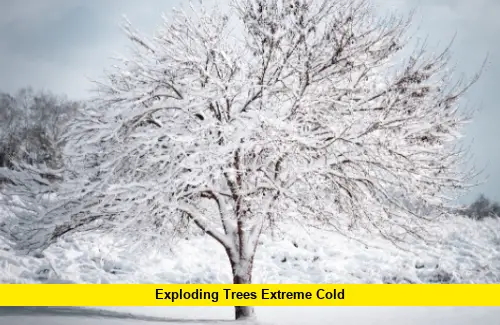
A surge of bitter Arctic air has driven temperatures across parts of the United States far below freezing, and the phrase exploding trees extreme cold has caught the public’s imagination as a way to describe what’s happening in forests from the Upper Midwest through sections of the Plains this week. As frigid conditions take hold, forestry and weather experts are clarifying the science behind loud tree cracks, advising on safety, and helping communities understand when and why trees can suddenly split during deep cold.
This article lays out what’s unfolding, the mechanisms at play, where effects are most likely to appear, and what residents and travelers should expect as winter temperatures continue to plunge.
Table of Contents
Arctic Air Moves Deep Into the United States
A potent push of Arctic air is sweeping southward out of Canada, delivering some of the coldest temperatures of the season to the northern tier of the U.S. Meteorological forecasts show regions of Minnesota, North Dakota, South Dakota, Wisconsin, Iowa, and parts of Michigan reaching temperatures around or even below minus 20 degrees Fahrenheit in the coming days, with wind chill values often far lower. The outbreak stems from a strong polar vortex pattern that has allowed frigid air masses to spill into midcontinental states.
This Arctic plunge has triggered numerous winter weather alerts, including extreme cold warnings and wind chill advisories, as the deep freeze persists through the weekend.
What Causes Trees to Crack Loudly in Deep Cold?
When temperatures fall sharply, tree trunks and branches can sometimes make startlingly loud noises. These sudden sounds are often described as popping, cracking, or booming, and on occasion, people refer to them as trees “exploding.” However, the mechanics of these noises are specific and relate directly to how wood and sap respond to rapid temperature change.
Most trees contain sap — a mixture of water, nutrients, and dissolved sugars — that flows throughout their trunk and limbs. Water expands as it freezes, and if freezing occurs quickly and intensely, the internal pressure can build sharply within a tree. When this pressure exceeds the strength of the wood and bark, the tree can split or crack apart rapidly, producing a loud sound. What’s heard is not an explosion in the traditional sense, but the sudden fracturing of wood under stress.
This natural reaction is known in forestry science as frost cracking. It happens particularly when temperatures plunge rapidly into deep subzero levels after a period of relative warmth or when dusk and dawn bring especially sharp temperature swings.
Where Tree Cracks Are Most Likely This Week
The risk for extremely cold-driven tree cracking is highest where temperatures are forecast to plunge most dramatically. This includes:
- Minnesota — especially northern and central regions forecast to reach deep subzero temperatures.
- North Dakota and South Dakota — where Arctic air masses are settling in.
- Wisconsin — particularly central and northern areas facing severe chill.
- Iowa and parts of Michigan — extending the zone of extreme cold and potential tree stress.
In these areas, tree trunks may not have time to adjust to sudden cooling, making them more prone to stress fractures that can produce loud cracking noises. The risk is amplified during calm, clear nights when heat loss from tree surfaces is greatest.
Loud Noises Explained: What People Are Hearing
Residents in cold regions may hear striking booms or crack sounds that are easily mistaken for distant thunder or even explosions. These noises can occur when:
- The outer layer of a trunk cools and contracts much faster than the still-warm interior wood, creating tension that snaps suddenly.
- Moisture within wood fibers freezes and expands rapidly, exerting pressure outward.
These effects are more pronounced in certain tree types, especially those with high moisture content or thinner bark, such as maples, poplars, and some fruit trees. Younger trees with less dense wood may also be more susceptible than older, thick-barked specimens.
Although such sounds can be loud and surprising, they generally signal a localized crack or split rather than a tree violently bursting apart.
Is There Real Risk to People or Property?
Experts emphasize that, despite dramatic descriptions circulating online, widespread and dangerous tree “explosions” are exceedingly rare. Most tree cracking events involve only a small portion of wood and bark releasing pressure. These specific splits seldom create projectiles capable of causing injury or widespread damage.
That said, there are real hazards connected with winter tree failures:
- Splitting trunks or limbs may fall unpredictably and could injure anyone standing beneath a tree.
- Deep cracks can compromise structural integrity, making trees more vulnerable to wind damage or decay later in the season.
- Falling branches can damage vehicles, power lines, or roofing.
People walking in wooded areas during deep cold should remain aware of this possibility and avoid lingering directly beneath large limbs, especially after sharp temperature drops.
Other Cold-Related Dangers Across the Country
While the loud tree crack phenomenon garners attention, it is just one of many risks posed by the current deep freeze.
Frozen Infrastructure and Utilities
Frigid temperatures are straining energy infrastructure. Facilities not designed for prolonged subzero conditions can experience operational challenges. In some regions, refineries and processing plants are adjusting capacity to prevent equipment failures caused by extreme cold. Demand for heating fuels such as natural gas and diesel has surged as households and businesses seek to maintain warmth.
Travel and Commuting Risks
Across the northern U.S., highways and rural roads face dangerous icing conditions. When cars hit black ice or snow-covered roadways, accident risks rise sharply. State authorities are urging drivers to carry emergency kits, maintain full fuel tanks, and adjust travel plans in light of hazardous road conditions.
Public Health Threats
The combination of high winds and frigid air dramatically increases frostbite and hypothermia risk. Skin can begin to freeze in a matter of minutes when wind chill values plunge below zero, even with layered clothing. Public health offices recommend minimizing outdoor exposure, checking on vulnerable neighbors, and recognizing early signs of cold-related injury.
Practical Tips for Residents and Travelers
Here are essential precautions people should take as the Arctic chill continues:
- Dress in layers with insulated outerwear to reduce heat loss.
- Keep pets indoors or provide sturdy shelter with ample bedding.
- Wrap outdoor water pipes and allow faucets to drip to prevent freezing.
- Use safe space-heating practices and keep combustible materials away from heat sources.
- Avoid parking or standing near large trees for extended periods during severe cold.
While the narrative of cracking trees may stand out on social platforms, weather professionals stress that understanding the real science and risks helps communities respond appropriately without undue alarm.
The Science Behind Seasonal Tree Stress
Forests in colder climates have evolved to withstand winter conditions, and most trees in northern states endure long periods of subfreezing temperatures without incident. Tree cells adjust by shifting water into areas less likely to form dangerous ice crystals, and bark provides a measure of insulation. However, rapid temperature swings challenge these natural defenses, making winter stress reactions more visible.
In addition to frost cracking, soil can also produce booming sounds known as “frost quakes” as water trapped underground freezes and expands. These ground noises can sometimes be mistaken for structural impacts or distant booms. Both phenomena are part of how nature copes with intense cold.
Looking Ahead: Forecasts and Safety Preparedness
Meteorologists predict that cold air will linger through the weekend and beyond in many northern states, with wind chills creating even harsher conditions than actual air temperatures might suggest. While official warnings and advisories remain in effect, residents from the Plains to the Great Lakes are urged to stay aware and prepared.
Communities farther south are also bracing for knock-on effects, such as increased demand on energy systems and potential changes in travel plans as winter weather systems continue to shift eastward.
Through clear understanding and careful preparation, people can handle the cold without undue fear — even if deep winter occasionally makes nature’s reactions sound like sharp cracks in the night.

