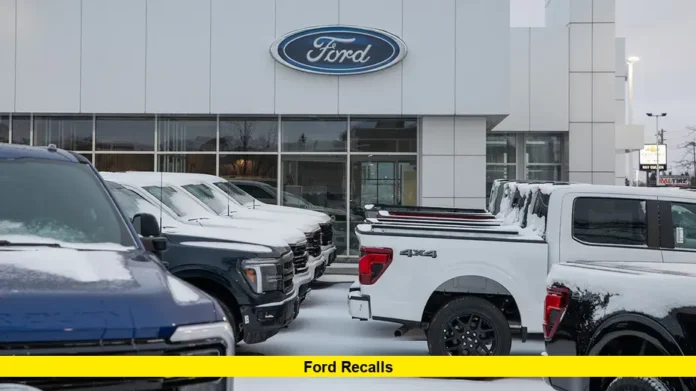
In a sweeping safety action that affects drivers nationwide, Ford recalls more than 116,000 vehicles in the United States after investigators confirmed that a defect in certain engine block heaters can create conditions capable of triggering under-hood fires.
The decision follows a series of verified incident reports involving overheating, smoke, and in some cases open flames, all linked to a component designed to help engines start in freezing temperatures. The recall has drawn particular attention in northern states, where block heaters are commonly used during winter months.
Table of Contents
How the Defect Was Discovered
The issue centers on a specific style of engine block heater installed in several Ford and Lincoln models over multiple production years. Engineers determined that the heater’s casing can develop hairline cracks after prolonged exposure to temperature changes and vibration.
Once the casing weakens, engine coolant can seep into the heater’s electrical section. When the heater is connected to household power, the moisture may cause a short circuit. Over time, residue left by evaporated coolant can conduct electricity, creating localized overheating that can ignite nearby materials.
A review of field data identified at least twelve confirmed incidents involving smoke or fire damage in the engine compartment, all occurring when the heater was plugged in.
Models Included in the Recall
The safety campaign covers a range of popular compact and midsize vehicles equipped with the affected heater configuration. The confirmed models include:
- Ford Escape
- Ford Focus
- Ford Explorer
- Lincoln MKC
Only vehicles built with the specific heater design are involved. Units without the cold-weather heater package are not part of the recall.
Why Block Heaters Are Common
In cold climates, block heaters warm the engine coolant and internal components before startup. This reduces strain on the engine, lowers emissions during cold starts, and helps cabin heat become available more quickly. Many drivers leave their vehicles plugged in overnight during winter, which is precisely when the newly identified risk is highest.
Because the defect only presents a danger when the heater is connected to external power, the fire hazard does not typically arise during normal driving.
Immediate Guidance for Drivers
Owners of affected vehicles are being advised to take the following steps without delay:
- Do not plug in the engine block heater
- Avoid using extension cords connected to the vehicle
- Park away from combustible materials when possible
- Watch for signs of coolant leaks, burning odors, or smoke
These precautions are intended to reduce risk until permanent repairs are completed.
Planned Repair Strategy
Ford has confirmed that a redesigned heater is being prepared and will be installed free of charge at authorized dealerships. The replacement part features improved sealing and insulation to prevent coolant intrusion and electrical failure.
The service plan includes:
- Written notification to owners explaining the hazard
- Optional temporary removal of the heater upon request
- Installation of a sealed plug in place of the heater for those who choose immediate deactivation
- Final repair appointments once replacement components are fully distributed
All labor and parts associated with the remedy will be covered by the manufacturer.
What Drivers Might Notice
Even before a heater fails completely, certain warning signs may appear:
- Unexplained coolant loss
- Damp areas or residue near the heater cord connection
- Dashboard alerts related to cooling system levels
- Faint electrical or sweet antifreeze odors
Any of these symptoms warrant prompt inspection, particularly if the vehicle has been routinely plugged in during cold weather.
Why Fire Recalls Carry Extra Weight
Under-hood fires pose a unique threat because they can begin while a vehicle is unattended, often in garages or near buildings. In several documented cases tied to this defect, damage occurred overnight, increasing the potential for property loss and personal injury.
Automotive safety officials treat any pattern of fire incidents with heightened urgency, which is why the recall was initiated after a relatively small number of confirmed cases.
Impact on Winter Driving Routines
For many owners, especially in the Midwest, Northeast, and Mountain West, the instruction to stop using block heaters comes during peak winter conditions. While cold starts without a heater may lead to slower warm-ups and increased engine wear, safety specialists emphasize that avoiding an electrical fire hazard must take priority.
Drivers are encouraged to allow extra warm-up time and ensure their batteries and cooling systems are in good condition while the heater remains disconnected.
Broader Safety Context
This recall adds to a growing list of safety campaigns across the auto industry aimed at addressing fire risks linked to electrical and thermal components. As vehicles incorporate more electrically powered systems, manufacturers are under increasing pressure to identify and correct vulnerabilities early.
The current action reflects a broader push toward proactive intervention once defect patterns emerge, even when the total number of incidents remains limited.
What Owners Should Do Next
Vehicle owners should:
- Confirm whether their car is included using its VIN
- Follow instructions provided in official recall notifications
- Schedule service once replacement parts become available
- Continue to avoid plugging in the heater until repairs are complete
Taking these steps promptly can prevent minor component failures from escalating into serious safety events.
Looking Ahead
The rollout of redesigned heater components is expected to restore full cold-weather functionality while eliminating the fire risk. Until then, awareness and compliance with safety guidance remain the most effective tools for protecting vehicles, homes, and occupants.
The latest Ford recalls action serves as a reminder that even small components can have significant safety implications when they fail, and that timely recalls play a critical role in keeping drivers and communities safe.

