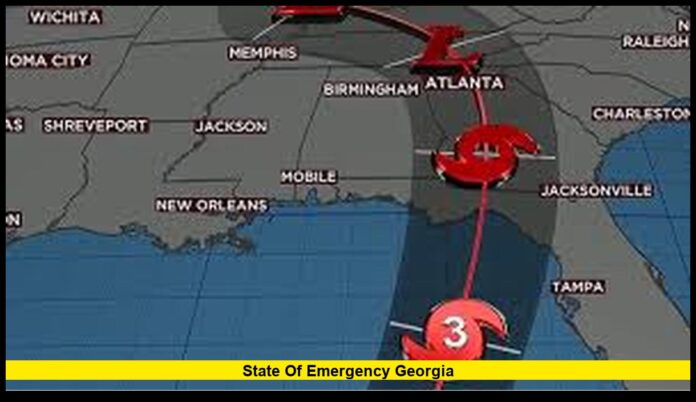
State of emergency Georgia is now in effect statewide as officials brace for a major winter weather system that could bring a dangerous mix of freezing rain, sleet, and snow across large portions of the state. The declaration activates emergency response plans, authorizes rapid deployment of resources, and places transportation, utility, and public safety agencies on full operational readiness to protect residents and critical infrastructure.
The order covers all 159 counties and reflects the growing concern that icy conditions, power disruptions, and hazardous travel could impact both metropolitan and rural communities over several days. State leaders have emphasized that early preparation is essential, especially in a region where winter storms can quickly overwhelm roads and utilities.
Table of Contents
Why a Statewide Emergency Was Necessary
A statewide emergency declaration allows government agencies to move faster and coordinate more efficiently before conditions deteriorate. It removes certain administrative barriers, enables mutual aid across county lines, and ensures emergency funding and personnel can be mobilized without delay.
The goal is to stay ahead of the storm rather than react after damage occurs. By issuing the order in advance, officials can stage equipment, pre-position emergency crews, and prepare shelters and warming centers for those who may lose power or face unsafe living conditions due to extreme cold.
Weather Threat: What Forecasters Are Warning
Meteorological models indicate a complex winter system capable of producing multiple hazards at once. The primary concerns include:
- Freezing rain that can coat roads, bridges, and power lines with ice
- Sleet and snow in northern and elevated areas
- Sub-freezing temperatures that could persist overnight and into early morning hours
- Strong winds that may increase the risk of falling trees and downed power lines
Even small amounts of ice can make roads nearly impassable and significantly raise the risk of accidents. Ice accumulation on trees and power infrastructure can also lead to outages that may last for extended periods, particularly in heavily wooded regions.
Transportation Systems on High Alert
The Georgia Department of Transportation and local public works departments have moved into full winter operations mode. Crews are:
- Treating highways and major arterials with anti-icing solutions
- Focusing on bridges, overpasses, and shaded roadways that freeze first
- Preparing snowplows, salt spreaders, and emergency response vehicles
- Coordinating with law enforcement to manage traffic if conditions worsen
Certain trucking and weight restrictions have been temporarily adjusted to ensure emergency equipment, fuel, medical supplies, and utility repair materials can move quickly across the state.
Motorists are strongly encouraged to avoid unnecessary travel once freezing conditions begin. For those who must drive, officials advise slower speeds, greater following distances, and avoiding sudden braking or sharp turns.
National Guard and Emergency Personnel Mobilized
As part of the emergency declaration, National Guard units have been placed on standby to assist with:
- Rescuing stranded motorists
- Transporting essential personnel and supplies
- Supporting shelter operations
- Assisting with debris removal and logistics
State and local law enforcement, fire departments, emergency medical services, and emergency management teams are also increasing staffing levels to ensure rapid response if calls for assistance surge during the storm.
Utility Providers Prepare for Possible Outages
Ice is one of the most damaging winter threats to power infrastructure. Even a thin layer can weigh down lines and snap tree limbs, leading to widespread outages. Electric and natural gas providers are:
- Staging repair crews and bucket trucks
- Securing additional materials such as poles, transformers, and wire
- Coordinating with emergency management to prioritize critical facilities
- Preparing customer communication systems for outage reporting and updates
Residents are advised to plan for the possibility of losing power by keeping emergency kits stocked with flashlights, batteries, portable chargers, blankets, and non-perishable food.
Community Readiness and Shelter Planning
Local governments are preparing to open warming centers and emergency shelters if temperatures drop dangerously low or if prolonged outages occur. These facilities provide heat, food, medical support, and a safe place to stay for individuals who cannot remain in their homes.
Special attention is being given to:
- Seniors and individuals with medical equipment that requires electricity
- People experiencing homelessness
- Families in rural areas where access to services may be limited
- Residents with limited mobility or transportation options
Community organizations and volunteer groups are also preparing to assist with wellness checks and supply distribution if conditions become severe.
Protecting Homes and Property
Officials recommend that residents take preventive steps before the storm arrives, including:
- Insulating or dripping exposed pipes to prevent freezing
- Bringing pets indoors and ensuring livestock have adequate shelter
- Securing outdoor furniture and objects that could be damaged by ice or wind
- Testing smoke detectors and carbon monoxide alarms before using alternative heating sources
Space heaters should be kept at a safe distance from flammable materials, and generators must only be operated outdoors in well-ventilated areas to avoid carbon monoxide poisoning.
Schools, Businesses, and Government Operations
School districts and universities are closely monitoring forecasts and may announce schedule changes if travel becomes unsafe. Many employers are reviewing remote work policies and flexible scheduling options in anticipation of hazardous road conditions.
State agencies are prepared to implement telework and staggered operations to maintain essential services while reducing the number of vehicles on icy roads.
Economic and Infrastructure Impact
Winter storms can disrupt supply chains, delay deliveries, and slow economic activity. The state of emergency allows for:
- Rapid repair of damaged infrastructure
- Priority access to fuel and utility restoration
- Coordination with healthcare systems to ensure continuity of care
- Support for local governments facing increased operational costs
By activating emergency powers early, officials aim to minimize long-term economic disruption and speed recovery once the storm passes.
Public Communication and Ongoing Updates
Emergency management agencies are using multiple channels to provide real-time updates, including weather alerts, travel advisories, and safety guidance. Residents are urged to pay close attention to official warnings and avoid spreading unverified information.
As the storm system moves through, response efforts will shift from preparation to impact management and then to recovery, including road clearing, power restoration, and damage assessment.
Staying Safe During the Event
The most effective way to reduce risk is to limit exposure to hazardous conditions. Key safety reminders include:
- Stay off the roads during peak icing periods
- Keep mobile devices charged in case of emergencies
- Have a plan to check on family members and neighbors
- Know where the nearest warming shelter is located
- Follow local emergency instructions promptly
Preparedness at the household level plays a critical role in community resilience.
Looking Ahead
The state of emergency Georgia underscores how seriously state leaders are taking the potential impact of this winter system. While the exact intensity and location of the worst conditions may vary, the combination of cold temperatures, frozen precipitation, and high winds poses real risks that require coordinated action.
Early planning, cooperation between agencies, and responsible decision-making by residents can significantly reduce injuries, prevent property damage, and help ensure a faster return to normal conditions once the storm moves out of the region.
Stay alert, take precautions, and share how your community is preparing as the winter weather approaches.

