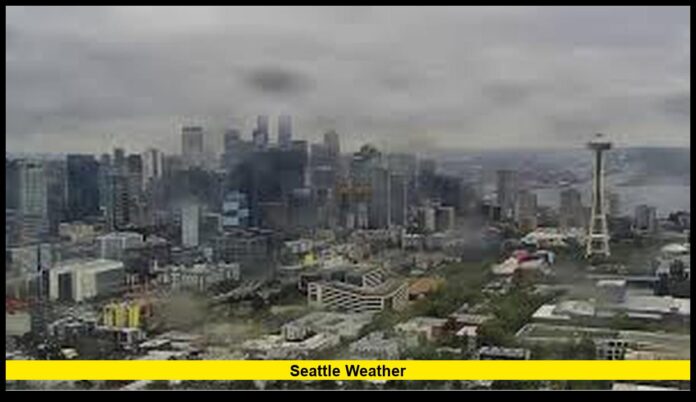
Late January is delivering an unusual pattern across the Puget Sound region, and residents are paying close attention as seattle weather departs from its typical winter script. Instead of steady rain and persistent gray, the city is seeing a run of dry days, cooler nights, and occasional sunshine, creating conditions that feel more like early spring than the heart of winter.
This stretch of calm, stable weather is the result of a dominant high-pressure system positioned over the Pacific Northwest. The system has blocked most storm tracks, limiting the flow of moisture inland and keeping temperatures relatively mild during the day while allowing colder air to settle at night. While such patterns are not unheard of, their duration and timing make this period stand out in a month that usually ranks among the wettest of the year.
Table of Contents
A Winter Pattern That Looks Unusual on the Calendar
January in western Washington is traditionally marked by frequent rain, overcast skies, and a steady parade of Pacific storm systems. This year, however, the atmosphere has taken a different path. For more than a week, measurable rainfall has been scarce across the Seattle metro area, and cloud cover has often broken enough to allow extended sunny intervals.
The key driver behind this shift is a strong ridge of high pressure aloft. High-pressure systems promote sinking air, which discourages cloud formation and suppresses precipitation. With storm systems deflected northward or weakened before reaching the coast, Seattle has remained under relatively dry and stable conditions.
At the surface, this has translated into crisp mornings, cool afternoons, and far fewer wet roadways and puddles than residents usually expect at this time of year. The absence of steady rain has been especially noticeable in urban parks, on hiking trails, and along the waterfront, where winter landscapes are typically saturated.
Temperature Trends: Mild Days, Cold Nights
While the lack of rain has drawn the most attention, temperature patterns have also been noteworthy. Daytime highs have generally hovered in the mid-40s to low-50s Fahrenheit, slightly above what is often observed in late January. These mild afternoons have made outdoor activities more comfortable and have reduced the need for heavy winter gear during daylight hours.
Nights, however, tell a different story. Clearer skies allow heat to escape more easily after sunset, leading to overnight lows that frequently dip toward the freezing mark. In some neighborhoods, especially in outlying or lower-lying areas, temperatures have fallen just below 32°F, creating conditions favorable for frost formation.
This contrast between mild days and chilly nights is a hallmark of high-pressure winter patterns. Without cloud cover to trap heat, the atmosphere cools rapidly after dark, even as daytime sunshine provides modest warming.
Fog, Frost, and Morning Commutes
One side effect of the current pattern has been the development of morning fog in parts of the region. Temperature inversions, in which warmer air sits above cooler air near the surface, have trapped moisture in valleys and low-lying areas. As a result, visibility has occasionally been reduced during the early commute hours.
Drivers have encountered patches of dense fog along waterways and in suburban corridors, particularly before mid-morning. At the same time, frost has formed on windshields and untreated surfaces during the coldest hours, requiring extra caution for early travelers.
Despite these localized challenges, overall travel conditions have been calmer than during typical rainy January mornings, when slick roads and reduced visibility from heavy showers often slow traffic.
Short-Range Outlook: Clouds Increasing, Rain Returning
Forecast guidance indicates that the current dry pattern will not last indefinitely. Over the coming days, the protective high-pressure ridge is expected to weaken, allowing Pacific systems to gradually move back toward the coast.
In the near term, skies are likely to transition from mostly clear to increasingly cloudy. Temperatures should remain seasonable, with highs in the upper 40s and lows in the upper 30s to near 40°F. As cloud cover thickens, overnight temperatures may stay a bit milder, reducing the risk of frost but increasing the chance of early-morning drizzle.
By mid- to late week, the probability of measurable rainfall rises. Light to moderate showers are expected to return, marking a shift back toward the more familiar winter pattern of damp days and overcast skies. While no extreme weather is currently indicated, the reintroduction of steady rain will bring slick roads, reduced visibility, and a renewed need for winter driving caution.
How the Dry Spell Affects the Region
Outdoor Recreation
The extended stretch of dry weather has been a welcome change for many outdoor enthusiasts. Trails have remained firmer than usual for January, and urban green spaces have avoided the deep mud that often develops after weeks of rain. Walkers, runners, and cyclists have taken advantage of the clearer conditions, while waterfront paths have seen increased activity during sunny intervals.
Mountain areas, however, continue to experience colder conditions, and higher elevations remain subject to snow and ice. Travelers heading toward the Cascades should stay alert for changing conditions as incoming weather systems begin to bring moisture back into the region.
Environmental Considerations
Although short dry periods are not typically harmful, they can influence soil moisture levels and stream flows, especially during winter when consistent rainfall usually replenishes water supplies. A prolonged lack of precipitation can temporarily reduce runoff into rivers and reservoirs, though the expected return of rain should help balance conditions.
Air quality can also be affected under stagnant high-pressure systems. With limited atmospheric mixing, pollutants can become trapped near the surface, particularly during temperature inversions. While no major air quality issues have been reported, the pattern underscores how closely weather and environmental conditions are linked.
Why High Pressure Plays Such a Big Role
High-pressure systems act as atmospheric barriers, steering storm tracks and influencing temperature and cloud patterns. In the Pacific Northwest, these systems can sometimes park offshore or directly over the region, creating extended periods of calm, dry weather.
When positioned to the west or northwest of Washington, a ridge of high pressure can divert moisture-laden winds northward toward British Columbia or southward toward California. The result is a lull in storm activity across the Puget Sound region.
During winter, such setups can feel especially striking because they contrast sharply with the region’s reputation for frequent rain. While the Pacific Ocean remains an active source of weather systems, the presence of a strong ridge can temporarily suppress their inland progress.
Looking Toward the Remainder of Winter
As February approaches, the broader seasonal outlook suggests a return to more typical variability, with alternating periods of rain, cloud cover, and occasional drier breaks. The current pattern serves as a reminder that even in a climate known for consistency, atmospheric dynamics can produce notable departures from the norm.
Residents can expect the coming weeks to feature a mix of conditions rather than a continuation of uninterrupted dry weather. This means staying prepared for shifting temperatures, fluctuating rain chances, and the possibility of brief cold snaps as systems move through.
Practical Tips for the Days Ahead
- Morning Travel: Watch for fog and frost during early hours, especially in low-lying areas and near bodies of water.
- Outdoor Plans: Enjoy the remaining dry intervals but be ready for wetter conditions as clouds thicken and showers return.
- Home Preparation: Ensure gutters and drainage systems are clear to handle the expected increase in rainfall later in the week.
- Layering: Mild afternoons can be followed by cold evenings, so layered clothing remains the best choice for comfort.
A Changing Sky Over Puget Sound
The recent calm has offered a different perspective on winter in western Washington, highlighting how quickly conditions can shift under the influence of large-scale atmospheric patterns. As the high-pressure ridge weakens and storm systems regain access to the region, familiar gray skies and rainfall are poised to make a comeback.
Even so, the current stretch stands as a notable chapter in this season’s weather story, reminding residents that variety is an inherent part of the Pacific Northwest climate.
Share how the evolving seattle weather is shaping your week, and stay tuned as the next phase of winter unfolds.

