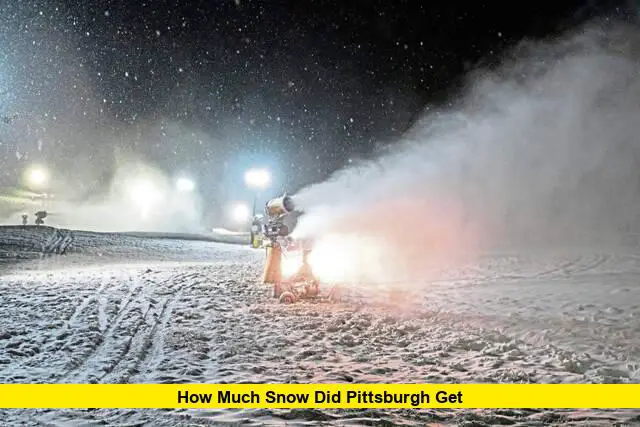
Pittsburgh experienced an intense winter storm this past weekend, leaving deep white blankets across the city and nearby communities. How much snow did Pittsburgh get became a central question as residents stepped outside Sunday to find streets and rooftops buried under significant snow. This snowfall was historic in scope, breaking local marks for late-January snowfall and creating widespread disruptions and intense cleanup efforts that are now underway.
The storm brought a rare and powerful burst of snow that affected daily life, from travel to school operations and municipal work. This article provides a full account of the snowfall amounts, how different neighborhoods were impacted, and what conditions look like now in the aftermath of one of the biggest snow events of the season.
Table of Contents
Unprecedented Snowfall Across City and Suburbs
The winter storm that swept through Pittsburgh and western Pennsylvania delivered substantial snowfall, with official measurements showing double-digit totals across most of the area. In the city of Pittsburgh, gauges recorded around 10.2 to 11.2 inches of snow by late Sunday morning. That figure marks one of the highest snow totals seen on a single day in recent history and far exceeds typical snow amounts for late January in the Steel City. The city’s own records for January 25 were shattered, with this event far surpassing the previous snowfall mark for that date.
Meanwhile, areas beyond the city saw even larger accumulations. Outlying communities and rural valleys reported totals climbing into the mid-teens and, in some cases, reaching 18 to 20 inches of snow. These heavier totals tended to fall in northern and eastern parts of the broader region, where elevation and storm dynamics combined to produce deeper drifts.
Across the broader western Pennsylvania region, snowfall was consistent and widespread, with many residents reporting snow depths well over a foot in their yards by Sunday evening.
Breaking Records and Rafting Snow Totals
This storm differed from ordinary winter snow events in both intensity and coverage. Observational reports from across the region showed that:
- Several communities experienced snow depths that rivaled storms not seen in over a decade.
- Snowfall totals in some spots reached near 20 inches, far above the amounts seen in the urban center.
- Even neighboring towns directly adjacent to Pittsburgh recorded notably higher accumulations than the city core, illustrating the uneven yet impressive reach of the storm.
Local weather observers and community measurements indicate that these totals are among the highest seen in many years. For Pittsburgh proper, the measured snowfall approached record territory for a single calendar day, bringing back comparisons to big weather events from the past. Snow depths in excess of 12 inches were common in many neighborhoods, making travel and daily routines difficult for residents.
How Snowfall Translated Into Real-World Conditions
The sheer volume of snow quickly overwhelmed roads, sidewalks, and parking areas. Major thoroughfares and local streets alike were covered with accumulation, prompting local authorities to strongly advise residents to avoid unnecessary travel. Plow crews and public works teams worked through the night to clear main corridors, but side streets remained challenging throughout the day.
Public transit services faced delays and interruptions as buses contended with persistent snow cover. Schools across the region announced closures or alterations to their schedules due to unsafe travel conditions for buses and student drivers. Businesses adjusted operations or temporarily closed as employees struggled with deep snow and slow commutes.
Despite these conditions, the region avoided widespread power outages, as the snow tended to be lighter and fluffier, placing less strain on electrical infrastructure than wetter, heavier snow might have.
Municipal Response and Cleanup Efforts
City and county crews have been mobilized in large numbers to tackle the massive cleanup effort. The focus has been on clearing primary routes, followed by secondary roads and residential streets. Snow removal has been a prolonged task due to the high totals and continuing low temperatures, which have hindered melting. At times, crews have had to return to streets multiple times to keep up with drifting snow and re-accumulation on surfaces.
Officials have emphasized patience as work continues, noting that complete clearance of neighborhood streets and alleys may take several days. Residents have been asked to help by clearing sidewalks adjacent to their properties, further aiding accessibility and safety for pedestrians and emergency responders.
Local leaders also pointed out the logistical challenges of storing and relocating excess snow where space is limited, especially in densely populated areas. Snow piles along curbs and parking areas have grown into large berms, requiring careful planning and additional resources for removal.
Impact on Travel and Public Safety
Road conditions remained treacherous for much of the storm’s duration and into the following days. With snow lingering on road surfaces and temperatures plunging deep below freezing, untreated sections quickly turned icy, adding to the hazards. Authorities urged drivers to use caution, allow extra travel time, and limit outings to necessary trips.
Transit operations, including buses and paratransit services, experienced schedule disruptions as vehicles battled through heavy snow. In some neighborhoods, routes were limited or suspended until conditions improved.
Emergency services continued to operate throughout the storm, though response times in some areas were slower due to road conditions. First responders and safety teams encouraged residents to prepare for winter conditions by carrying emergency supplies and checking on vulnerable individuals such as seniors or those with mobility challenges.
Cold Snap Extends Storm’s Effects
As snow tapered off, temperatures across the region plunged sharply. With wind chills dipping into dangerously low ranges, outdoor activities became hazardous without proper protection. The prolonged cold has slowed snowmelt, meaning that snow and ice are expected to remain on the ground well into the coming week.
Forecasters noted that another round of light snow or flurries could contribute a few more inches in some areas before ending by Monday afternoon. This additional snowfall, while minor compared with the main event, adds to the complexity of cleanup and safety efforts.
Community Experience and Neighborhood Reports
Across Pittsburgh and surrounding counties, residents shared accounts of how the snow impacted daily life. Some described digging out vehicles, clearing long driveways, and contending with deep snowbanks that made movement difficult. Others shared photos of dramatic snow drifts towering above parked cars or covering children’s playground equipment.
In northern parts of the region where the snow was deepest, some neighborhoods saw towering accumulations that created natural barriers and altered familiar landscapes. These personal observations highlight how the storm’s effects were felt not just in official totals, but in the lived experience of residents all across the area.
Looking Ahead: Recovery and Daily Life Post-Storm
With the snow now mostly fallen, attention has shifted to recovery and returning to normal routines. Road crews are making steady progress, and city leaders continue to coordinate cleanup efforts. Residents are encouraged to stay informed about changing weather conditions, as lingering cold may keep roads slick and walking paths icy.
Local public transit agencies are working to restore full schedules, and schools plan to resume regular in-person operations as soon as safety conditions allow. Civic leaders emphasize that cooperation and patience will be key in the days ahead as the region digs out from this significant winter event.
This storm will be remembered as one of the most notable snow events of the season, leaving an unmistakable imprint on Pittsburgh and the communities around it.

