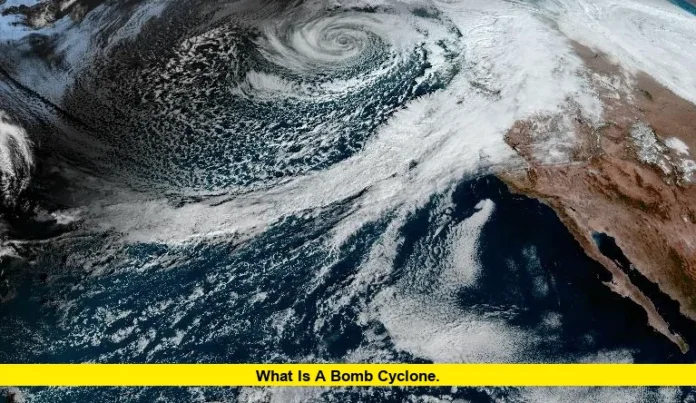
When powerful winter storms suddenly intensify over the Atlantic or Pacific and begin dominating national weather forecasts, one phrase often rises to the top: what is a bomb cyclone. This scientific term describes a rare but extremely disruptive type of storm that can transform an ordinary low-pressure system into a wind-whipping, snow-dumping, coastline-pounding monster in less than a day.
For millions of Americans, understanding this phenomenon is not just about weather curiosity. Bomb cyclones can shut down airports, close highways, trigger coastal flooding, and cause widespread power outages. Knowing how they form, why they are so dangerous, and what impacts they bring can help people make sense of urgent weather alerts and prepare more effectively when conditions deteriorate rapidly.
Stay informed about fast-changing winter weather and local alerts, especially when major storms are forecast for your region.
Table of Contents
What Is a Bomb Cyclone? A Clear Definition
A bomb cyclone is a mid-latitude storm that strengthens at an exceptionally fast rate. Meteorologists define it by one key measurement: a rapid drop in atmospheric pressure at the storm’s center.
When surface pressure falls by at least 24 millibars within 24 hours, the storm is said to undergo “bombogenesis.” This explosive deepening creates an intense pressure gradient, which in turn produces powerful winds, heavy precipitation, and dangerous marine and coastal conditions.
The word “bomb” does not refer to an explosion in the traditional sense. Instead, it reflects the speed and force with which the storm develops, similar to a sudden release of energy in the atmosphere.
How Bomb Cyclones Form
Bomb cyclones typically develop over the ocean, where large contrasts in temperature and moisture provide ideal fuel. Several key ingredients must come together:
1. Cold Continental Air
Arctic or polar air masses often surge southward during winter, bringing very cold, dense air into lower latitudes.
2. Warm Ocean Waters
Relatively warm water along the Atlantic and Pacific coasts supplies heat and moisture, which energize developing storms.
3. Strong Jet Stream Support
Fast winds high in the atmosphere help remove air from the top of a storm system, allowing surface pressure to fall rapidly.
When these elements align, a developing low-pressure system can intensify dramatically in a short time, transforming into a bomb cyclone.
Why the Pressure Drop Matters
Atmospheric pressure is a measure of the weight of the air above a location. When pressure falls quickly, air rushes toward the center of the system to balance the difference. The steeper the pressure gradient, the stronger the winds.
In a bomb cyclone, the pressure drop is so rapid that winds can reach or exceed hurricane-force gusts over open water and sometimes along the coast. These winds:
- Drive heavy snow and blizzard conditions inland
- Generate towering waves and dangerous seas
- Increase the risk of coastal flooding and erosion
- Down power lines and trees
Bomb Cyclones and the U.S. Coastlines
The United States is particularly vulnerable to bomb cyclones because of its long coastlines and strong seasonal temperature contrasts.
East Coast
Along the Atlantic, bomb cyclones often evolve from nor’easters. Cold air from Canada collides with warm Gulf Stream waters, creating ideal conditions for rapid intensification. These storms can bring:
- Heavy snow from the Mid-Atlantic to New England
- Damaging wind gusts
- Coastal flooding during high tides
- Significant travel disruptions
West Coast
In the Pacific, bomb cyclones can strengthen rapidly offshore and then send powerful wind and rain toward the Pacific Northwest and Northern California. These systems can:
- Produce hurricane-force winds along exposed coasts
- Cause widespread power outages
- Trigger flooding and landslides
- Create dangerous marine conditions
How Bomb Cyclones Differ From Hurricanes
Although bomb cyclones can generate winds comparable to hurricanes, they are fundamentally different systems.
- Energy Source:
Hurricanes are fueled by warm ocean water and have a warm core. Bomb cyclones are driven by temperature contrasts between cold and warm air and have a cold core. - Structure:
Hurricanes are symmetrical with a defined eye. Bomb cyclones are sprawling, asymmetric systems with fronts extending hundreds of miles. - Season:
Hurricanes occur mainly in late summer and fall. Bomb cyclones are primarily cold-season storms, peaking in winter.
Despite these differences, both can cause severe damage and require similar levels of preparedness.
Typical Impacts of a Bomb Cyclone
The effects of a bomb cyclone depend on its track and intensity, but common impacts include:
1. Heavy Snow and Blizzard Conditions
Cold air wrapping around the storm can lead to intense snowfall rates, whiteout visibility, and dangerous travel conditions.
2. Powerful Winds
Rapid pressure falls create strong gusts capable of toppling trees, damaging buildings, and disrupting power grids.
3. Coastal Flooding and Storm Surge
Onshore winds and low pressure can push ocean water toward the coast, flooding vulnerable areas, especially during high tides.
4. Aviation and Transportation Disruptions
Airports may close, flights may be canceled, and highways can become impassable due to snow, ice, or fallen debris.
5. Marine Hazards
Seas can become extremely rough, posing serious risks to commercial shipping and recreational boating.
Seasonal Patterns and Frequency
Bomb cyclones occur most often from late fall through early spring, when temperature contrasts are strongest. They are not everyday storms, but they are not unheard of either. In a typical winter, the North Atlantic and North Pacific may each see several systems that meet the criteria for bombogenesis.
Not every rapidly intensifying storm will affect land. Some deepen far offshore, while others track close enough to bring significant impacts to populated areas.
Why Forecasting Bomb Cyclones Is Challenging
Predicting exactly when and where a storm will undergo bombogenesis remains one of the more complex tasks in meteorology. Small changes in:
- Sea surface temperatures
- Upper-level wind patterns
- The timing of cold air intrusions
can determine whether a system strengthens modestly or explodes into a major bomb cyclone. This uncertainty is why forecasts often evolve quickly as new data becomes available.
What the Term Means for the Public
When forecasters mention a bomb cyclone, it signals that a storm may intensify much faster than normal and produce conditions that worsen in a matter of hours rather than days.
For the public, this means:
- Monitoring weather updates more frequently
- Preparing for rapid changes in conditions
- Expecting possible upgrades in warnings and advisories
- Taking travel and safety recommendations seriously
Understanding what is a bomb cyclone helps people interpret the urgency behind these alerts and the potential severity of the situation.
Preparing for a Bomb Cyclone
Practical steps for households in affected regions include:
- Securing outdoor objects that could become wind-borne debris
- Ensuring emergency kits are stocked with food, water, and batteries
- Charging devices ahead of possible power outages
- Reviewing evacuation or shelter plans in coastal areas
- Avoiding unnecessary travel during peak storm conditions
Even if the storm ultimately tracks offshore, preparation reduces risk if conditions worsen unexpectedly.
Why the Term Keeps Appearing in Headlines
The combination of rapid development, dramatic impacts, and striking terminology makes bomb cyclones a frequent focus of winter weather coverage. As forecasting technology improves, meteorologists can identify the potential for explosive intensification earlier, allowing more timely warnings.
However, the fundamental science behind the phenomenon remains the same: sharp temperature contrasts, strong upper-level winds, and the vast energy of the oceans can sometimes align to produce a storm that strengthens with remarkable speed.
The Big Picture
In simple terms, a bomb cyclone is a winter storm that intensifies at an extraordinary rate, driven by powerful atmospheric dynamics. It can rival the strength of tropical systems, disrupt daily life across large regions, and reshape coastlines in a matter of hours.
Recognizing the meaning behind the term and the conditions it brings allows communities to respond with greater awareness and readiness when the atmosphere begins to show signs of explosive change.
Stay alert, follow the evolving forecast, and share your experiences or questions about severe winter storms in the comments to keep the conversation going.

