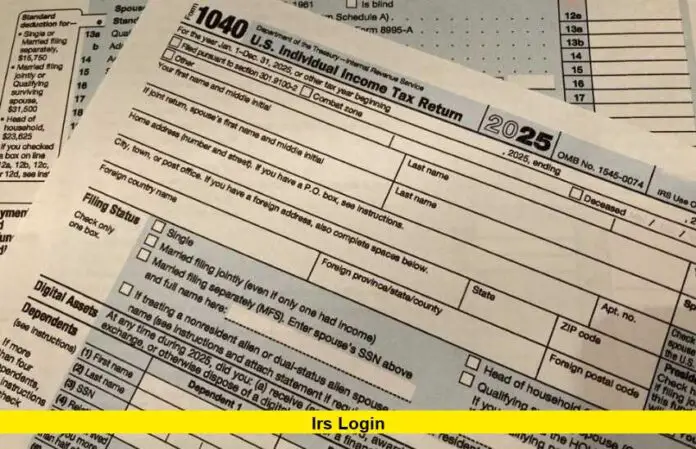
As the 2026 tax season moves forward, the irs login portal has become the central access point for millions of Americans preparing to file their federal returns. The Internal Revenue Service opened this year’s filing window in late January, and taxpayers are already submitting returns electronically ahead of the mid-April deadline. With expanded digital services, strengthened identity protections, and continued emphasis on online account management, understanding how the system works is essential.
The IRS expects more than 160 million individual tax returns for the 2025 tax year. Most of those returns will be filed electronically, reflecting a continued shift away from paper submissions. For taxpayers, that shift makes online access more important than ever.
Table of Contents
Tax Season 2026 Is Fully Underway
The current filing season officially began in January 2026. Individual taxpayers generally have until April 15 to submit their returns, unless they qualify for extensions due to disaster relief or other special circumstances.
The IRS has encouraged electronic filing because it reduces processing times and minimizes manual handling errors. Direct deposit remains the fastest way to receive refunds. Paper returns and mailed refund checks take significantly longer to process.
Officials have emphasized that filing early and electronically helps prevent delays, especially for those expecting refunds.
Digital Access Is Now Central to Tax Management
The IRS Individual Online Account platform operates 24 hours a day and provides taxpayers with real-time access to their records. Once logged in, users can:
- View balances owed
- Check refund status
- Access tax transcripts
- Review payment history
- Set up installment agreements
- Receive and view digital notices
This level of access reduces the need to call IRS phone lines, which traditionally experience high demand during peak filing months.
For many taxpayers, logging in before filing helps confirm important details such as prior-year adjusted gross income, which may be required for identity verification during e-filing.
Security Protections Have Tightened
Protecting taxpayer data remains a top priority. The IRS requires multi-factor authentication for online account access. This typically involves a username and password combined with a secondary verification step, such as a code sent to a verified device.
New users must complete identity verification steps that may include submitting a government-issued photo ID and completing facial recognition confirmation through an approved authentication provider.
These measures are designed to reduce tax-related identity theft and fraudulent refund claims. The IRS continues to warn taxpayers against phishing scams and encourages users to access accounts only through official government channels.
Strong, unique passwords and updated contact information are critical for maintaining account security.
Refund Processing and Direct Deposit Updates
Refund timing depends on how and when a return is filed. Most electronically filed returns with direct deposit selected are processed within weeks, assuming no errors or additional review requirements.
Taxpayers can monitor refund progress through their online account dashboard. Status updates typically show when the return is received, approved, and when the refund is scheduled for issuance.
Entering accurate banking details during filing remains essential. Incorrect routing or account numbers can delay payments and require additional processing steps.
Electronic refunds continue to be prioritized over paper checks. Digital payment systems are more secure and reduce mailing delays.
Free Filing Options Still Available
Eligible taxpayers may use the IRS Free File program, which partners with private-sector tax preparation providers to offer no-cost federal filing for individuals within certain income thresholds.
The IRS has continued to promote Free File participation for those who qualify. Taxpayers must begin the process through the official IRS website to ensure eligibility.
Even when using commercial tax software, maintaining an online account allows taxpayers to track filings, verify payment activity, and review official IRS communications.
Important Changes and Ongoing Improvements
In recent years, the IRS has invested heavily in modernization efforts. These improvements include upgraded phone systems, expanded digital tools, and enhanced fraud detection systems.
The 2026 filing season reflects continued emphasis on digital engagement. Taxpayers are encouraged to handle most transactions online rather than by mail.
Employers were required to distribute wage and income statements by the end of January. These forms are essential for accurate filing. Taxpayers should ensure they have received all W-2s and applicable 1099 forms before submitting returns.
Filing with incomplete information can trigger processing delays or amended return requirements.
Payment Plans and Balances Due
Not every taxpayer receives a refund. Those who owe federal taxes can use the online portal to make secure electronic payments.
Payment options include:
- Direct debit from a bank account
- Debit or credit card payments
- Installment agreements for eligible taxpayers
Setting up a payment plan early can help avoid penalties and interest growth. The online account platform provides tools to calculate balances and request arrangements directly.
Taxpayers who anticipate difficulty paying should explore options before the filing deadline.
How to Prepare Before You File
Preparation remains key to a smooth filing experience. Experts recommend taking the following steps:
- Gather all income documents, including W-2s, 1099s, and other earnings statements.
- Verify personal information such as Social Security numbers and bank details.
- Log in to your IRS account to confirm prior-year adjusted gross income.
- Review any notices received during the past year.
- File electronically and choose direct deposit if eligible for a refund.
Accessing your account through the irs login page early in the season helps identify discrepancies before submission.
Taking time to review information carefully reduces the likelihood of corrections or audits.
Common Mistakes That Delay Processing
Several common errors can slow return processing:
- Incorrect Social Security numbers
- Misspelled names
- Mismatched income amounts
- Incorrect banking information
- Mathematical mistakes
Electronic filing software often flags math errors automatically. However, taxpayers remain responsible for verifying all information.
Checking transcripts and past return details through the online system can prevent inconsistencies.
Identity Theft Awareness
Tax-related identity theft remains a concern nationwide. Fraudsters may attempt to file returns using stolen personal information.
Warning signs include:
- IRS notices about returns you did not file
- Unexpected refund deposits
- Letters regarding unfamiliar income
Taxpayers who suspect fraud should act immediately by contacting the IRS and following identity protection procedures.
Using secure login credentials and enabling multi-factor authentication adds an important layer of protection.
The Role of Customer Support
Although digital services are expanding, telephone and in-person assistance remain available for taxpayers who need help.
The IRS continues to operate Taxpayer Assistance Centers in communities across the country. Appointments are typically required.
However, officials continue to encourage taxpayers to use online tools first, as many common issues can be resolved more quickly through digital access.
Looking Ahead to the Filing Deadline
With April approaching, filing activity is expected to increase sharply. Historically, the final weeks before the deadline bring a surge of submissions.
Filing early allows more time to correct errors and reduces stress.
Those who cannot meet the deadline may request an extension, which provides additional time to file but does not extend the deadline to pay owed taxes.
Interest and penalties may apply to unpaid balances after the due date.
Why Online Access Is the Future of Tax Administration
The IRS continues moving toward a digital-first model. Online account services are expected to expand further in coming years, offering greater transparency and faster communication.
For taxpayers, understanding how to navigate the system is now part of routine financial management.
From refund tracking to payment scheduling, the online account platform serves as a centralized hub for federal tax interactions.
Taking control of your account access today can simplify future filing seasons and reduce uncertainty.
Final Thoughts for Taxpayers
The 2026 tax season reflects continued modernization within the federal tax system. Electronic filing, secure authentication, and real-time account management now define how most Americans interact with the IRS.
Review your information carefully, file accurately, and monitor your account regularly to stay ahead of potential issues.
Being proactive this season can help ensure a smoother experience from submission to refund or final payment.

