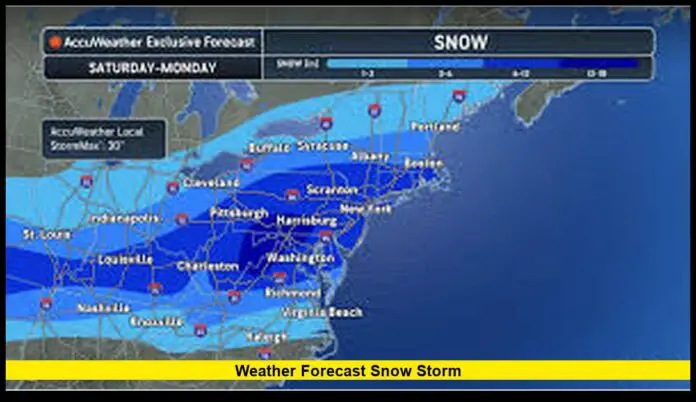
The weather forecast snow storm across the United States continues to shape winter conditions as of February 6, 2026, with new snow, strong winds, and bitter cold impacting millions. Multiple storm systems have already swept through large sections of the country, and additional snowfall is expected in parts of the Northeast and Great Lakes heading into the weekend.
Table of Contents
Current Situation: Snow and Cold Grip the Northeast
A fresh winter system is moving across the Great Lakes into the Northeast, bringing light to moderate snowfall and gusty winds. Several states remain under winter weather advisories and cold-related alerts as temperatures stay below seasonal averages.
Snowfall totals vary by location. Some areas are seeing minor accumulations, while others are dealing with several inches of fresh snow. Gusty winds are creating blowing snow, which reduces visibility and makes road conditions more dangerous during peak travel hours.
Cold air continues to spill southward, keeping daytime highs below freezing in parts of the Northeast and Mid-Atlantic. Overnight wind chills are dropping into dangerous ranges in some northern communities.
Recent Storm Activity Across the U.S.
Over the past two weeks, multiple winter storms have affected broad regions of the country.
In late January, a strong coastal low-pressure system brought measurable snowfall to parts of the Southeast, including areas that do not frequently experience winter weather. Snow and ice created hazardous travel conditions and led to temporary closures of schools and businesses.
Earlier storms impacted the Ohio Valley and Mid-Atlantic, producing widespread snow accumulations. Some communities recorded between 6 and 12 inches, leading to plowing operations and delayed travel. Airports in several major cities experienced flight delays as crews worked to clear runways and de-ice aircraft.
A larger system earlier in the season affected more than 100 million Americans from Texas through the Carolinas and into the Northeast. That storm combined snow, sleet, and freezing rain, creating dangerous road conditions and scattered power outages.
Today’s Snow Forecast Details
The latest weather forecast snow storm outlook shows the following regional impacts:
Northeast
- Periods of snow through Friday.
- Localized accumulations of several inches.
- Wind gusts contributing to reduced visibility.
- Below-average temperatures through the weekend.
Great Lakes
- Lake-enhanced snow bands developing downwind of the lakes.
- Variable totals depending on wind direction.
- Slick roadways, especially during early morning hours.
Mid-Atlantic
- Light snow in northern sections.
- Sharp temperature drops following frontal passage.
- Wind chills falling into the single digits in colder areas.
Forecast models indicate that snowfall intensity will fluctuate, with some cities experiencing steady light snow and others seeing brief bursts of heavier accumulation.
Arctic Air Intensifies Winter Conditions
The broader weather pattern features a persistent Arctic air mass pushing into the eastern half of the country. This cold air reinforces snowfall potential and prolongs icy conditions even after precipitation ends.
In several northern states, extended stretches of below-freezing temperatures are preventing snow and ice from melting quickly. This increases the risk of refreezing overnight, especially on untreated surfaces such as sidewalks, bridges, and secondary roads.
Wind chills remain a major concern. When gusty winds combine with subfreezing temperatures, exposed skin can become vulnerable to frostbite in a short period of time.
Travel and Infrastructure Impacts
Winter weather continues to disrupt transportation networks.
Highways in affected regions are experiencing slower traffic due to snow-covered lanes and reduced visibility. Transportation departments are deploying plows and salt trucks, but snowfall rates can temporarily outpace clearing efforts during heavier bursts.
Air travel has also been affected. Delays are most common in major Northeast hubs where de-icing procedures are required. Passengers are encouraged to check flight status before heading to the airport.
Public transit systems in some cities are operating on modified schedules due to icy tracks and platforms.
What Residents Should Watch For
With active winter conditions ongoing, residents should remain alert to:
- Updated snowfall totals in their immediate area.
- Wind chill advisories during overnight hours.
- Rapid temperature drops after sunset.
- Black ice formation during morning commutes.
Weather conditions can change quickly, particularly when lake-effect snow bands develop. These narrow bands can produce sudden heavy snowfall in one neighborhood while leaving another nearby area mostly dry.
Looking Ahead to Next Week
Forecast trends suggest that the active winter pattern may continue into mid-February. Additional disturbances could track across the northern tier of the country, bringing renewed chances for snow in the Plains, Great Lakes, and Northeast.
Mountain regions in the West may also see periods of moderate to heavy snow as Pacific systems move inland. While exact totals will depend on storm track and moisture availability, colder-than-average temperatures are expected to persist in several regions.
Long-range outlooks indicate that winter conditions are likely to remain a factor for much of the northern United States through the remainder of the month.
Safety Reminders During Ongoing Winter Weather
Residents in impacted areas should take practical precautions:
- Dress in layers and cover exposed skin.
- Keep emergency supplies in vehicles.
- Allow extra travel time.
- Clear snow from vents and exhaust pipes.
- Check on elderly neighbors during extreme cold.
Preparedness reduces the risk of accidents and cold-related health issues during prolonged winter events.
The weather forecast snow storm pattern remains active, and conditions may evolve quickly in the coming days. Staying informed and prepared will help communities manage the impacts of snow, wind, and cold.
Stay alert, monitor local conditions, and share how the winter weather is affecting your area in the comments below.

