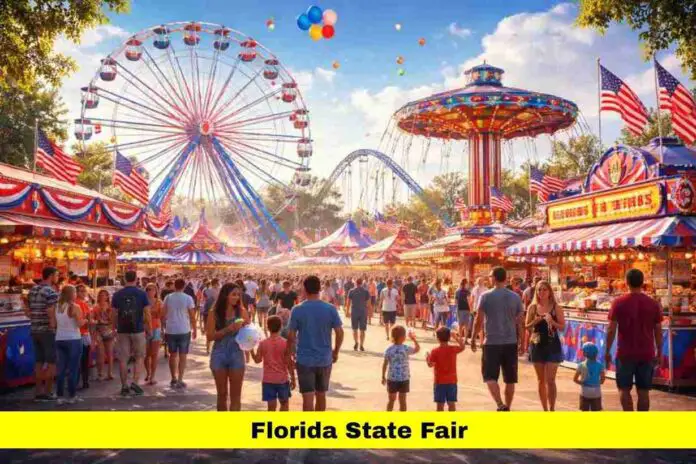
The florida state fair has returned to Tampa in 2026 with one of its most ambitious and wide-ranging editions in recent memory. Stretching across twelve days in early February, the event blends long-standing traditions with new attractions, expanded entertainment, and a unifying patriotic theme that resonates strongly with visitors from across the United States. Families, food lovers, thrill-seekers, and cultural enthusiasts are all finding reasons to spend a full day—or several—inside the fairgrounds.
This year’s fair stands out not just for its scale, but for how carefully it balances nostalgia with modern expectations. From agricultural showcases to creative cuisine and immersive midway experiences, the event reflects how large-scale fairs continue to evolve while remaining rooted in community identity.
Table of Contents
A Timeless Event With Deep Florida Roots
The Florida State Fair has long served as one of the most anticipated winter events in the Southeast. Held annually in Tampa, it has become a gathering point where rural traditions meet urban entertainment. Generations of Floridians have grown up attending the fair, making it both a cultural institution and a living reflection of the state’s diversity.
In 2026, that legacy feels particularly strong. Organizers have emphasized continuity while refreshing nearly every corner of the experience. Visitors encounter familiar sights like livestock barns, craft displays, and classic rides, but they are presented alongside modern staging, updated layouts, and expanded visitor amenities. This careful balance has helped the fair remain relevant while honoring its past.
A Theme That Connects Celebration and History
This year’s fair embraces a nationwide milestone by centering its theme around the 250th anniversary of the United States. Rather than dominating the event, the theme acts as a unifying backdrop that influences design, programming, and select exhibits.
Decor elements, stage presentations, and interactive displays subtly highlight American heritage without overwhelming the fun-first spirit of the fair. The result is an atmosphere that feels festive and meaningful at the same time. Visitors are encouraged to reflect on shared history while enjoying the playful energy that defines a state fair.
An Expanded Fairground Experience
The fairgrounds themselves have been carefully arranged to improve traffic flow and visitor comfort. Wide walkways connect major zones, allowing guests to move easily between food courts, ride areas, exhibit halls, and performance stages. Shaded seating, rest areas, and family-friendly facilities help make longer visits more comfortable, especially during peak attendance days.
Clear signage and digital displays guide guests toward popular attractions, while staff presence remains visible throughout the grounds. These design choices have made the event more accessible to first-time visitors and large groups alike.
Food Creativity Takes Center Stage
Food remains one of the most powerful draws of the fair, and the 2026 edition delivers one of the most inventive menus to date. Vendors have introduced an impressive lineup of new items that reinterpret classic fair flavors while embracing bold culinary experimentation.
Savory offerings range from fusion-inspired dishes that combine Latin, Southern, and street-food influences to upgraded comfort foods featuring premium ingredients. Many vendors focus on layered flavors, handmade sauces, and visually striking presentations that appeal to social media-savvy visitors.
Sweet options are equally adventurous. Funnel cakes, churros, and fried desserts appear in imaginative variations featuring cookie butter, chocolate drizzle, candy coatings, and fruit infusions. Specialty drinks, frozen treats, and colorful beverages provide refreshing alternatives, especially during warmer afternoons.
Despite the creativity, traditional favorites remain widely available. Corn dogs, roasted corn, barbecue, and classic lemonade ensure that longtime fairgoers can still enjoy the flavors they associate with past visits.
Midway Rides Deliver Thrills and Nostalgia
The midway continues to be one of the most dynamic areas of the fairgrounds. In 2026, ride selections cater to a wide range of ages and thrill levels. High-intensity rides deliver speed and height for adrenaline seekers, while gentler attractions offer family-friendly fun and scenic views.
The iconic Ferris wheel remains a visual centerpiece, offering sweeping views of the fair at night when the lights transform the grounds into a glowing landscape. Kiddie rides, carnival games, and interactive attractions ensure that younger guests have plenty of options tailored to their comfort and excitement levels.
Ride operators emphasize safety and clear instructions, contributing to an experience that feels both exhilarating and well-managed.
Live Entertainment Adds Energy Throughout the Day
Live performances play a key role in shaping the fair’s atmosphere. Throughout the day and into the evening, multiple stages host a rotating lineup of acts that include local musicians, themed shows, novelty performances, and crowd-pleasing spectacles.
One of the most talked-about additions this year is the debut of racing corgis, which has quickly become a favorite attraction for families. These lighthearted events draw large crowds and add a playful break between larger shows.
Roaming performers, interactive demonstrations, and pop-up entertainment further enhance the sense that something is always happening, no matter where visitors wander.
Agriculture Remains the Heart of the Fair
While rides and food attract immediate attention, agriculture remains the foundation of the event. Livestock barns showcase cattle, poultry, goats, pigs, and other animals raised by farmers and youth participants from across the state.
Educational exhibits explain farming practices, animal care, and food production in ways that are engaging and accessible to younger audiences. Demonstrations and hands-on displays allow visitors to connect directly with the agricultural process, reinforcing the importance of farming to everyday life.
These exhibits not only preserve tradition but also help bridge the gap between urban visitors and rural communities.
Youth Programs and Skill Competitions
Youth involvement continues to be a defining feature of the fair. Competitions in areas such as baking, crafts, horticulture, and animal husbandry highlight the dedication and creativity of young participants.
These programs encourage skill development, responsibility, and public presentation, offering young exhibitors valuable experience beyond the fairgrounds. Visitors often stop to engage with participants, ask questions, and learn about the work behind each display.
Shopping, Crafts, and Specialty Vendors
Beyond food and rides, the fair offers extensive shopping opportunities. Vendor halls feature handcrafted goods, specialty items, home products, and novelty merchandise. Shoppers can browse everything from locally made crafts to practical household innovations.
Demonstration booths allow guests to see products in action, creating an interactive shopping experience that feels more personal than traditional retail environments.
Planning a Visit for Maximum Enjoyment
With its size and popularity, planning ahead can significantly enhance a visit. Weekday afternoons tend to be less crowded, while weekends and holidays draw larger audiences. Arriving early allows visitors to explore popular food vendors and rides before peak lines form.
Comfortable footwear, weather-appropriate clothing, and a flexible schedule help ensure a smooth experience. Many guests choose to focus on one or two main attractions per visit rather than trying to see everything in a single day.
Accessibility and Family Comfort
Accessibility remains a priority across the fairgrounds. Clearly marked entrances, accessible restrooms, and designated seating areas support guests with mobility needs. Family-friendly amenities such as stroller-friendly paths and rest areas make the fair welcoming to visitors with young children.
Economic and Community Impact
The fair plays a significant role in supporting local businesses, seasonal employment, and tourism. Vendors, performers, and service providers benefit from the increased foot traffic, while nearby hotels and restaurants see heightened activity throughout the event.
This economic ripple effect reinforces the fair’s importance beyond entertainment, positioning it as a key contributor to the regional economy.
Why This Year Feels Different
What sets the 2026 edition apart is the sense of scale and intention behind every element. The historic theme, expanded programming, and attention to visitor experience combine to create an event that feels both celebratory and thoughtfully curated.
Rather than relying solely on tradition, the fair embraces innovation while respecting its roots. This approach resonates with returning visitors and newcomers alike, helping the event feel fresh without losing its identity.
As the Fair Nears Its Final Days
As the event approaches its closing dates, attendance remains strong. Many visitors return for repeat visits to sample additional foods, catch performances they missed, or enjoy favorite rides one last time. The atmosphere becomes increasingly festive as the fair heads toward its finale.
Whether you’re attending for the first time or continuing a family tradition, this year’s fair offers plenty to talk about—share your experience or stay tuned as the celebration continues.

