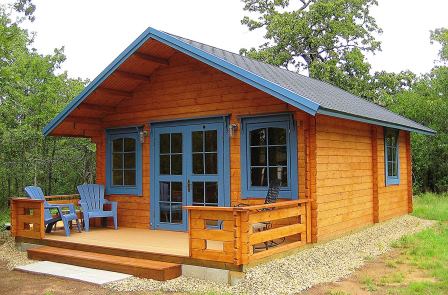
The idea of owning a home without a massive mortgage is no longer a dream. In 2026, a growing number of Americans are turning toward compact living—and The Best 3 Tiny Homes for Less Than $20,000 are becoming one of the most searched solutions in a high-cost housing market.
These ultra-affordable homes aren’t just about saving money. They represent a shift in how people think about space, independence, and financial freedom.
In this deep-dive guide, we’ll break down three real, currently available tiny home options under $20,000, compare them, analyze their strengths and limitations, and explain what buyers often overlook before purchasing.
If you’re seriously considering a tiny home, this is where clarity begins.
👉 Thinking about downsizing or investing? Keep reading—these options might completely change your housing strategy.
Table of Contents
Why Tiny Homes Under $20,000 Are Getting So Much Attention
The U.S. housing market continues to push affordability limits. Traditional homes now cost hundreds of thousands of dollars, while even small condos can stretch budgets.
Tiny homes offer a different path.
- Lower upfront cost
- Minimal maintenance
- Faster setup
- Flexible usage (home, rental, office, guest unit)
However, there’s an important truth many buyers miss:
Most livable tiny homes cost far more than $20,000.
Fully finished tiny homes typically range from about $35,000 to over $100,000 depending on build quality, utilities, and design.
Unique Explanation: The “Shell vs. Living Space” Reality
Tiny homes under $20,000 are usually:
- Prefab shells
- Expandable container-style units
- DIY-friendly kits
- Partially finished structures
They often do not include:
- Full plumbing systems
- Appliances
- Interior finishes
- Land or utility setup
This distinction is the single most important factor when evaluating affordability.
Expandable Prefab Tiny Home (Approx. $17,000–$20,000)
Overview
This is one of the most widely available and talked-about tiny homes in 2026. These units are often sold online and shipped folded, then expanded on-site.
Key Features
- Steel frame construction
- Foldable/expandable design
- Multiple windows for natural light
- Pre-installed basic electrical wiring
- Weather-resistant and insulated panels
Some models even advertise:
- 1–3 bedrooms
- Bathroom space
- Kitchen layout
Real-World Context
Listings across major marketplaces show expandable prefab homes priced near $20,000 with relatively quick setup times—sometimes within a single day once delivered.
Pros
- Fast delivery and installation
- Modern design
- Flexible layouts
- Suitable for temporary or semi-permanent use
Cons
- Interior finishing often incomplete
- Plumbing may not be fully installed
- Local zoning laws may restrict use
Best For
- Backyard ADUs
- Rental units
- Temporary housing
- Remote land setups
Chalet-Style Prefab Cabin (Approx. $15,000–$18,000)
Overview
This model blends affordability with lifestyle appeal. It looks more like a traditional cabin than a container.
Key Features
- Compact modular design (often ~20×20 ft)
- Covered porch for outdoor space
- Steel frame and insulated walls
- Options for 1–2 bedrooms
What Makes It Stand Out
The porch extends usable living space and creates a more natural, residential feel compared to box-style units.
Real-World Example
Available models in this category are priced around $17,000–$18,000 and are frequently marketed for vacation or recreational use.
Pros
- Visually appealing (feels like a real home)
- Outdoor living integration
- Customizable layouts
Cons
- Interior often requires finishing
- Utility installation adds cost
- Delivery zones may be limited
Best For
- Vacation properties
- Short-term rentals
- Rural or scenic land
DIY Tiny House Kit (Approx. $9,000–$19,500)
Overview
This is the most affordable entry point into tiny living—but also the most demanding.
Key Features
- Basic structure and frame
- Trailer or foundation-ready design
- Insulated shell (in some models)
- Fully customizable interior
Unique Advantage
You control everything—layout, materials, and final cost.
Pros
- Lowest upfront cost
- Full customization
- Potential for higher long-term value
Cons
- Requires time, tools, and building knowledge
- Additional costs can rise quickly
- Longer move-in timeline
Best For
- DIY enthusiasts
- Budget-focused buyers
- Long-term custom builds
Comparison: Which Tiny Home Under $20K Is Actually Worth It?
| Feature | Expandable Prefab | Chalet Cabin | DIY Kit |
|---|---|---|---|
| Setup Time | Very fast | Moderate | Slow |
| Customization | Medium | Medium | High |
| Comfort Level | Medium | Medium-High | Depends on build |
| Initial Cost | ~$20K | ~$17K | $9K–$19K |
| Hidden Costs | Medium | Medium | High |
| Best Use | Flexible | Lifestyle | Long-term build |
Deep Analysis: The Hidden Cost Factor Most Buyers Miss
Here’s where reality sets in.
The purchase price is only part of the story.
Additional Costs You Should Expect
- Utilities setup: often $8,000–$15,000
- Appliances: $5,000–$12,000
- Delivery and placement fees
- Permits and zoning compliance
Even a $15,000 tiny home can realistically become a $35,000–$70,000 total investment once fully livable.
This doesn’t make them a bad deal—it just reframes expectations.
Real-World Example: When Cheap Becomes Smart
Consider this scenario:
A buyer purchases a $17,000 prefab unit and installs it on owned land.
They spend:
- $8,000 on utilities
- $5,000 on interior finishing
- $3,000 on delivery and setup
Total cost: ~$33,000
Compared to renting at $1,500 per month:
- Break-even occurs in under 2 years
This is where tiny homes shine—not just in price, but in long-term financial strategy.
Opinion: Are Tiny Homes Under $20K Actually Worth It?
Yes—but only for the right buyer.
They Are Worth It If:
- You understand they are not fully finished homes
- You are comfortable with DIY or phased upgrades
- You already have land or a placement plan
They Are NOT Ideal If:
- You expect move-in-ready comfort
- You want simple urban approval
- You lack time for setup or customization
These homes are not shortcuts—they’re starting points.
The Bigger Trend: Why This Market Is Growing Fast
Tiny homes are no longer niche.
They’re becoming:
- Affordable housing alternatives
- Investment properties
- Remote work spaces
- Multi-generational living solutions
With prefab innovation expanding and online marketplaces growing, more sub-$20K options continue to enter the market.
Final Thoughts: Choosing the Right Tiny Home
If you’re exploring The Best 3 Tiny Homes for Less Than $20,000, the smartest approach is to focus less on price and more on:
- Total cost of ownership
- Intended use
- Build effort required
- Legal placement options
Each of the three options we covered serves a different type of buyer.
The real question isn’t which one is cheapest—it’s which one fits your life.
👉 Before you buy, map out your land, utilities, and long-term plan—this step saves the most money.
What would you actually use a tiny home for—living, renting, or investing? Share your thoughts below and stay tuned for more real housing insights.

