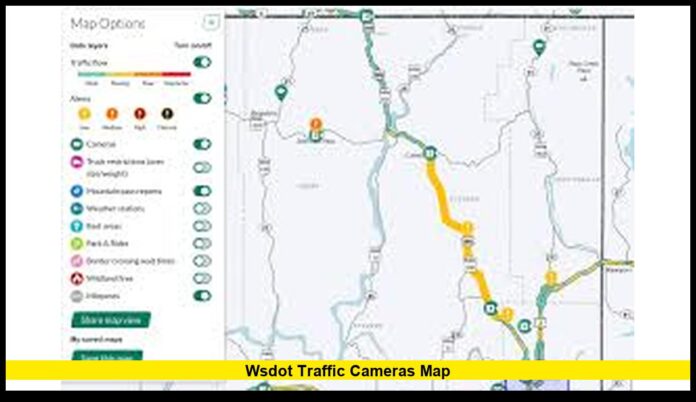
The wsdot traffic cameras map gives Washington drivers instant access to live highway conditions, helping commuters check congestion, weather, and road incidents before traveling.
Across Washington State, thousands of drivers rely on this digital tool every day. The interactive camera system allows users to view real-time images from highways, city connectors, and mountain passes. By opening a single map interface, travelers can see what roads look like right now rather than relying only on reports or estimates.
The system forms a key part of Washington’s modern transportation infrastructure. It helps commuters avoid delays, improves safety during storms, and supports emergency response when crashes or closures occur.
Table of Contents
What the Camera System Is and Why It Matters 📷
Washington State maintains one of the most extensive transportation monitoring networks in the United States. The camera system connects hundreds of roadside cameras placed across interstates, state routes, and key urban corridors.
These cameras transmit still images that refresh frequently. Drivers can check conditions before leaving home or while planning longer trips.
The system helps people quickly answer practical questions:
- Is traffic backed up on I-5?
- Are mountain pass roads snow-covered?
- Has an accident slowed traffic near Seattle or Tacoma?
- Are lanes open through construction zones?
Instead of guessing, travelers can view actual road conditions within seconds.
State transportation engineers use the same camera network to monitor congestion and respond to incidents. When crashes or hazards appear, traffic operators can quickly deploy alerts or adjust roadway messaging signs.
How the Interactive Map Works 🗺️
The map interface displays the entire Washington highway network. Each camera appears as a clickable icon positioned along the roadway.
When a user selects an icon, a recent image from that camera appears. Images typically refresh every few minutes, giving a near-live snapshot of conditions.
Core features include:
| Feature | What It Does |
|---|---|
| Interactive map view | Shows camera locations across Washington highways |
| Image previews | Displays recent roadway images |
| Zoom controls | Allows users to focus on specific cities or corridors |
| Road overlays | Shows traffic alerts, closures, and construction zones |
| Mountain pass views | Displays high-elevation road conditions |
This design keeps navigation simple. Drivers can quickly scan routes without opening multiple pages.
The system works on desktop and mobile browsers, allowing access from laptops, tablets, and smartphones.
Where Cameras Are Located Across Washington
Transportation officials installed cameras in areas where traffic flow and safety monitoring matter most.
Key coverage areas include:
Major Interstates
- Interstate 5
- Interstate 90
- Interstate 405
- Interstate 82
These highways carry the majority of commuter and freight traffic across the state.
Urban Corridors
Cities with dense camera coverage include:
- Seattle
- Tacoma
- Bellevue
- Everett
- Spokane
These areas often experience heavy congestion during peak commute hours.
Mountain Pass Routes
High-elevation passes require careful monitoring during winter.
Important pass cameras include:
- Snoqualmie Pass
- Stevens Pass
- White Pass
- Blewett Pass
Images from these locations help drivers determine whether snow, ice, or chain requirements affect travel.
How Drivers Use Road Cameras Before Traveling 🚗
Many commuters check highway cameras as part of their daily routine. The process usually takes less than a minute.
Typical use cases include:
1. Checking Morning Commutes
Drivers often open the map before leaving home. A quick look reveals congestion points or collisions that might delay travel.
2. Monitoring Weather Conditions
Washington weather changes quickly, especially in the mountains. Camera images help travelers confirm whether roads are wet, icy, or snow-covered.
3. Planning Weekend Trips
Outdoor recreation sends thousands of people toward mountain passes and coastal routes. Camera views allow travelers to verify road conditions before heading out.
4. Avoiding Construction Delays
Road work often narrows lanes or shifts traffic patterns. Camera views show whether traffic is flowing smoothly.
These benefits reduce uncertainty and help drivers make smarter travel decisions.
Real-Time Visibility During Winter Storms ❄️
Winter travel presents some of the biggest challenges on Washington roads.
Snowstorms can quickly affect high-elevation highways. Visibility drops, pavement becomes icy, and chain requirements appear with little warning.
Camera images provide immediate visual confirmation of conditions.
Drivers heading through mountain passes often check several cameras along their route. Doing so helps them decide whether to delay travel, change routes, or prepare vehicles with chains.
This visual information also helps freight operators and commercial drivers plan safer schedules.
How Traffic Operators Use the Camera Network
While drivers view the system for convenience, transportation professionals use it for active traffic management.
Traffic operations centers monitor live feeds throughout the day. When an issue appears, operators can respond quickly.
Examples of responses include:
- Dispatching incident response crews
- Adjusting ramp meters to control traffic flow
- Updating electronic highway signs
- Coordinating with law enforcement or emergency services
Quick detection helps reduce the impact of crashes or stalled vehicles.
Faster responses can prevent secondary accidents caused by sudden congestion.
Mobile Access for Drivers on the Go
Mobile access has increased dramatically as smartphone use grows.
Many drivers check cameras from their phones before leaving work or beginning a trip. The interface adjusts automatically for smaller screens.
Mobile users can:
- Zoom into specific highways
- Swipe between nearby camera views
- Monitor traffic while planning alternate routes
This flexibility helps drivers make decisions quickly.
However, checking cameras while actively driving is unsafe. Travelers should review images before departure or pull over safely.
How Camera Images Improve Public Safety
Public access to traffic cameras creates several safety benefits.
First, drivers gain real visual information instead of relying only on traffic reports. This reduces surprises on the road.
Second, it helps travelers prepare for dangerous conditions such as:
- heavy congestion
- icy pavement
- collision scenes
- road debris
Prepared drivers react earlier and drive more cautiously.
Emergency responders also benefit. Cameras allow operators to see incident scenes before crews arrive.
This information helps determine what equipment or personnel the situation requires.
Privacy and Security of Highway Cameras
Roadway cameras focus only on traffic conditions. They capture wide roadway views rather than identifying individual drivers.
Images typically update periodically rather than streaming continuous video. This design supports traffic monitoring while limiting personal identification.
Camera systems also follow strict cybersecurity protections. Transportation agencies monitor networks and restrict administrative access.
These measures help ensure the system remains reliable and secure.
Reliability of the Statewide Camera Network
Washington invests heavily in maintaining transportation technology.
Camera equipment must operate in harsh conditions including:
- heavy rain
- snowstorms
- strong winds
- extreme temperatures
Maintenance crews inspect cameras regularly. When equipment fails or weather blocks visibility, technicians repair or replace the affected units.
Keeping cameras operational ensures drivers receive dependable information.
The Growing Role of Visual Traffic Data
Transportation technology continues to evolve. Visual monitoring tools now play a central role in traffic management across the United States.
Systems like the wsdot traffic cameras map demonstrate how digital infrastructure improves everyday travel. Drivers can make informed decisions in seconds instead of relying on delayed updates.
As more people rely on real-time data, transportation agencies continue expanding intelligent traffic systems.
These tools help reduce congestion, improve safety, and keep millions of travelers informed every day.
Have you used Washington’s highway cameras before a trip? Share your experience or traffic tips in the comments and stay updated on road conditions across the state.

