
Google Fitbit Air is officially entering the wearable fitness market with a fresh AI-powered approach to health tracking. The company has confirmed that its new AI health coach subscription service will launch on May 19, offering users personalized wellness guidance for $9.99 per month. Alongside the software rollout, Google also introduced the new Fitbit Air, a lightweight screenless fitness tracker designed to work closely with the company’s evolving health ecosystem.
The launch marks one of Google’s biggest moves yet in digital health and wearable technology. Instead of focusing only on smartwatches with large displays and app-heavy experiences, the company is now pushing a simpler wearable concept centered around background health monitoring, AI coaching, and personalized recommendations.
Table of Contents
Google Fitbit Air Focuses on Simplicity and AI-Powered Tracking
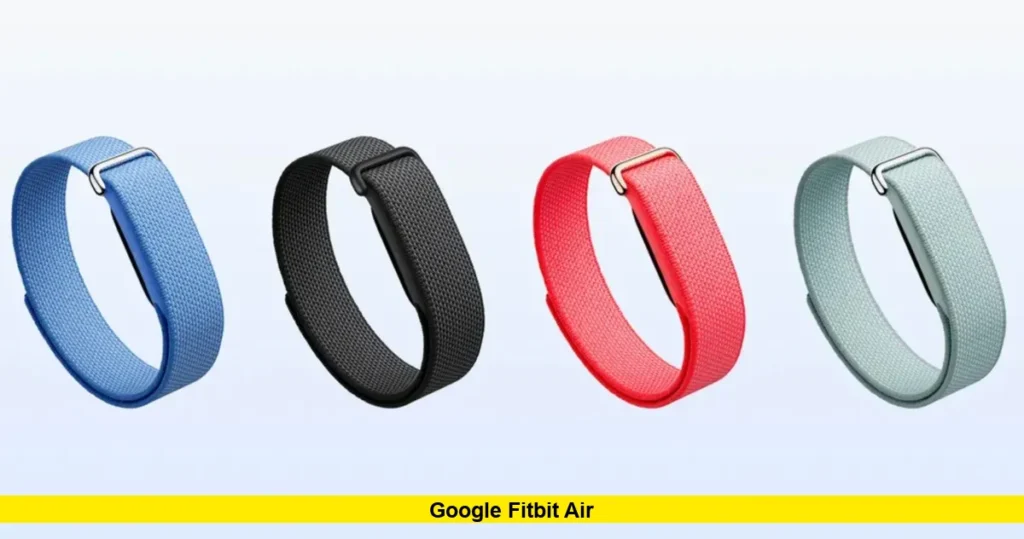
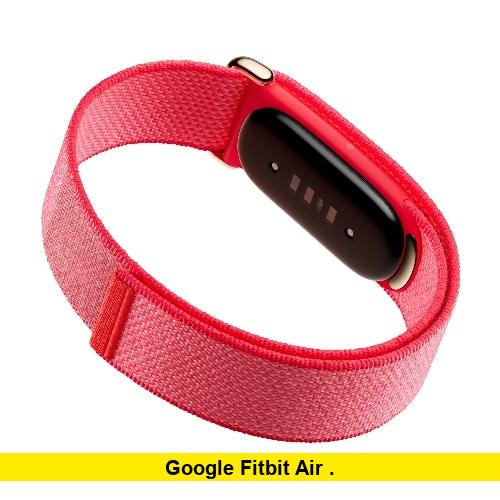
The Fitbit Air is different from most fitness trackers currently available because it removes the traditional display entirely. Google says the device is designed for users who want health insights without constant notifications or distractions.
The wearable tracks core health metrics including:
- Heart rate monitoring
- Sleep tracking
- Activity tracking
- Blood oxygen levels
- Recovery trends
- Heart rhythm alerts
- Temperature sensing
The company describes the device as its thinnest and lightest fitness tracker yet. Reports suggest the wearable weighs only a few grams without the strap and offers up to seven days of battery life on a single charge.
Google is positioning Fitbit Air as a more affordable and less intrusive alternative to larger smartwatches. The wearable reportedly starts at around $99, making it cheaper than many premium fitness devices currently competing in the market.
AI Health Coach Becomes the Centerpiece of Google’s Strategy
While the hardware itself is attracting attention, the real focus appears to be Google’s new AI-powered health coach platform.
The subscription service, powered by Gemini AI, aims to provide users with customized health insights based on the data collected from Fitbit devices and other connected trackers. The AI system can reportedly analyze sleep patterns, recovery data, exercise habits, and overall wellness trends to create personalized recommendations.
Google says the AI coach can assist users with:
- Workout planning
- Sleep improvement suggestions
- Recovery guidance
- Meal and nutrition recommendations
- Long-term fitness goals
- Wellness tracking
Unlike traditional fitness apps that mainly display statistics, the new service attempts to interpret user data and provide actionable advice.
The platform launches publicly on May 19 after spending months in preview testing. According to reports, Google refined the service using feedback from early users before preparing the wider rollout.
Fitbit App Is Becoming Google Health
Another major change announced alongside the Fitbit Air launch is the transformation of the Fitbit app into a broader platform called Google Health.
Beginning May 19, existing Fitbit users will reportedly see their applications updated automatically to the new Google Health branding. The redesigned app is expected to combine wellness tracking, fitness data, medical records integration, and AI-driven recommendations into a single experience.
Google says the updated platform is intended to support more devices beyond Fitbit hardware. That could include wearables from other manufacturers, helping Google compete more directly with Apple Health and Samsung Health ecosystems.
The company also appears to be repositioning Fitbit Premium under the new Google Health Premium branding. Subscription pricing is expected to remain around $9.99 monthly or $99 annually for premium AI-powered coaching features.
Fitbit Air Competes With Screenless Wearables
Industry analysts are already comparing Fitbit Air to products like the Whoop band because of its screenless design and subscription-focused business model.
Google’s wearable strategy now seems to split into two categories:
- Pixel Watch for full smartwatch functionality
- Fitbit Air for lightweight continuous wellness tracking
This allows the company to target users who may want simpler health-focused wearables instead of devices packed with apps and notifications.
Reports suggest the Fitbit Air can even pair with Pixel Watch devices, allowing users to switch between wearables depending on their activity or comfort needs.
Also Read – Google Messages Copy Paste Update
Google Expands AI Competition in Health Technology
The new Google Fitbit Air launch also highlights the growing battle among major technology companies in AI-driven healthcare and wellness.
Apple continues expanding health features through Apple Watch and Apple Health, while Samsung and other wearable companies are investing heavily in biometric tracking and AI recommendations.
Google’s strategy appears unique because it is leaning heavily into AI-generated coaching rather than simply collecting health metrics.
The company claims the AI coach can create adaptive recommendations based on changing user behavior instead of relying on static goals. That means workout intensity, sleep advice, and recovery recommendations could change dynamically over time.
Some reports also suggest Google plans to support iPhone users with the new health ecosystem, potentially widening its audience far beyond Android users alone.
Privacy Concerns Continue Around Health Data
Despite the excitement surrounding the launch, privacy concerns are already becoming part of the discussion.
Because Google handles massive amounts of user data across multiple services, some users remain cautious about sharing sensitive health information inside AI-powered systems.
Google says it will continue honoring previous commitments not to use Fitbit health and wellness data for advertising purposes. The company also stated users will maintain control over stored health information and optional features.
Still, wearable privacy remains a major topic across the technology industry as AI systems increasingly process biometric information and behavioral patterns.
ALSO READ – Apple’s Big Bet
Fitbit Brand Continues to Evolve Under Google
Since acquiring Fitbit several years ago, Google has gradually reshaped the brand’s direction. Earlier Fitbit devices focused heavily on step counting and simple activity monitoring, but the company now appears committed to turning Fitbit into a central part of its AI health ambitions.
The launch of Google Fitbit Air may represent the clearest sign yet that Google wants to compete aggressively in digital wellness and personalized health coaching.
By combining wearable hardware, AI-generated recommendations, subscription services, and a redesigned health platform, Google is attempting to create a full ecosystem that keeps users connected to its services every day.
The coming months will likely determine whether consumers embrace the screenless wearable concept and whether AI health coaching becomes a mainstream subscription category.
For now, the company is betting that users want simpler devices paired with smarter software rather than more screens and notifications.
Google Health and the AI coaching platform officially begin rolling out on May 19, while Fitbit Air availability is expected later in the month.

