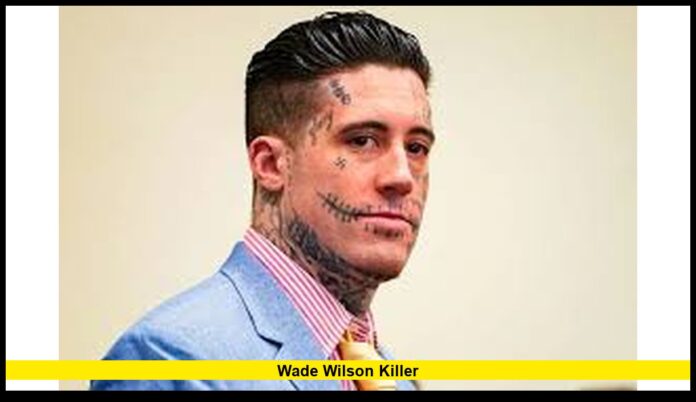
The wade wilson killer case continues to draw national attention years after the shocking murders of two Florida women. In 2026, the case remains active in the courts as Wade Wilson, who was sentenced to death in 2024, pursues legal appeals challenging his death sentences. While his convictions for the murders remain intact, recent developments have focused on the legality of the sentencing process and the future of his case within Florida’s death penalty system.
The case gained widespread attention because of the brutality of the crimes, Wilson’s extensive criminal history, and the intense public interest that followed his trial. More recently, documentaries and television programs have renewed discussion about the murders, the victims, and the legal proceedings that continue today.
If you have been following this case, keep reading for the latest developments, a complete timeline of events, and what comes next in one of Florida’s most closely watched criminal cases.
Table of Contents
The Crimes That Shocked Southwest Florida
On October 7, 2019, two women were killed just hours apart in Cape Coral, Florida, setting off an investigation that would become one of the state’s most closely followed murder cases.
The victims were 35-year-old Kristine Melton and 43-year-old Diane Ruiz. Prosecutors alleged that Wade Wilson carried out both killings on the same day, describing the crimes as a violent sequence of events that devastated the victims’ families and the local community.
According to trial evidence, Wilson met Melton at a local establishment before accompanying her to her Cape Coral home. Investigators later found Melton dead inside the residence, and medical examiners determined that she had died from strangulation.
Later that day, prosecutors said Wilson encountered Ruiz while she was walking in Cape Coral and convinced her to get into his vehicle. Evidence presented at trial showed that he later strangled her before abandoning her body in a remote area. Prosecutors also argued that Wilson drove over Ruiz with the vehicle after the attack, a detail that became a significant part of the state’s case during the trial.
The double homicide prompted an extensive investigation by local law enforcement. Detectives relied on forensic evidence, surveillance footage, witness testimony, cellphone records, and Wilson’s own statements to reconstruct the timeline of events. The evidence ultimately led to his arrest and formed the foundation of the prosecution’s successful case, resulting in convictions for two counts of first-degree murder.
Arrest and Investigation
Following the discovery of the two victims, law enforcement agencies launched an intensive investigation that quickly focused on Wade Wilson as the primary suspect. Detectives from the Cape Coral Police Department worked alongside forensic specialists to piece together the timeline of the crimes using physical evidence, surveillance footage, cellphone data, and witness interviews.
Prosecutors later told the jury that the evidence linking Wilson to both murders was substantial. During the trial, jurors heard testimony from multiple witnesses who interacted with Wilson before and after the killings, helping investigators reconstruct the events of October 7, 2019.
A key part of the prosecution’s case involved statements Wilson allegedly made to his biological father after the murders. According to testimony presented in court, those conversations provided investigators with important evidence and were later introduced during the trial.
Authorities also examined Wilson’s extensive criminal history as part of the investigation. Court records showed that he had multiple prior arrests and convictions before the 2019 murders, including offenses involving burglary, theft, drug possession, and probation violations. Prosecutors argued that the evidence collected throughout the investigation established Wilson’s responsibility for both killings beyond a reasonable doubt, ultimately leading to his convictions on two counts of first-degree murder.
A High-Profile Murder Trial
Wade Wilson’s murder trial began in 2024, nearly five years after the killings, and drew widespread public attention across Florida and the United States. The case generated intense media coverage because of the nature of the crimes, the evidence presented by prosecutors, and the extensive public interest that had developed over the years.
During the trial, prosecutors argued that Wilson intentionally murdered both Kristine Melton and Diane Ruiz on the same day, presenting forensic evidence, witness testimony, cellphone records, and statements they said linked him to the crimes. They described the killings as calculated and especially brutal, asking jurors to return guilty verdicts on both counts of first-degree murder.
Wilson’s defense attorneys did not dispute that he was involved in the deaths but argued that jurors should consider his history of mental health problems, substance abuse, childhood trauma, and neurological issues when evaluating the case. The defense also presented expert witnesses who testified about his psychological condition and cognitive functioning.
Over several weeks, jurors heard testimony from law enforcement officers, forensic experts, medical examiners, civilian witnesses, and members of Wilson’s family. The evidence provided a detailed account of the investigation and the events leading up to and following the murders.
The trial also attracted attention because of Wilson’s appearance. By the time he appeared in court, he had numerous tattoos covering much of his face, which became a frequent topic in television reports and on social media. However, the court repeatedly emphasized that jurors were required to base their verdict solely on the evidence presented during the proceedings.
After deliberating, the jury found Wilson guilty of two counts of first-degree murder for the deaths of Kristine Melton and Diane Ruiz. The verdict paved the way for a separate penalty phase to determine whether he would receive the death penalty or life imprisonment without parole.
Death Sentences Imposed in 2024
After the jury convicted Wade Wilson on two counts of first-degree murder, the case entered the penalty phase to determine whether he would receive life imprisonment without parole or the death penalty.
Prosecutors argued that both murders qualified for capital punishment under Florida law, citing multiple aggravating factors, including the especially violent nature of the crimes. Wilson’s defense team urged jurors to recommend life sentences, presenting evidence related to his mental health, substance abuse, and personal history as mitigating factors.
Following additional testimony, victim impact statements, and closing arguments, the jury recommended that Wilson be sentenced to death for both murders. For the killing of Kristine Melton, jurors voted 9-3 in favor of a death sentence. For the murder of Diane Ruiz, the recommendation was 10-2. Both votes exceeded the threshold required under Florida’s revised capital sentencing law.
On August 27, 2024, a Lee County judge formally sentenced Wilson to death on both murder convictions, making him one of the first defendants to receive death sentences under Florida’s updated sentencing framework, which no longer requires a unanimous jury recommendation for capital punishment.
The sentencing concluded the trial but marked the beginning of a lengthy appellate process. Under Florida law, every death sentence receives an automatic review by the Florida Supreme Court, followed by additional opportunities for state and federal post-conviction appeals. As of July 2026, Wilson remains on Florida’s death row, his convictions and death sentences remain in effect, and no execution date has been scheduled while the appellate process continues.
Why the Appeals Became So Important
Following the imposition of two death sentences in 2024, Wade Wilson’s case entered the automatic appellate process required in all Florida capital cases. While his convictions for the murders of Kristine Melton and Diane Ruiz remained intact, the primary legal challenges focused on whether the death sentences were imposed in accordance with the U.S. and Florida Constitutions.
A central issue raised by Wilson’s attorneys involved Florida’s revised capital sentencing law. The defense argued that because the murders occurred in 2019—before the state changed its death penalty statute in 2023—applying the newer sentencing framework to his case violated constitutional protections. They contended that Wilson should have been sentenced under the law that was in effect when the crimes were committed, which required a unanimous jury recommendation before a judge could impose a death sentence.
State prosecutors countered that the revised sentencing law was procedural rather than substantive and could be applied to Wilson’s trial without violating constitutional principles. They maintained that the jury’s 9-3 and 10-2 death recommendations satisfied Florida’s current legal requirements and that the trial court properly imposed the death sentences.
These arguments became the centerpiece of Wilson’s direct appeal before the Florida Supreme Court. As of July 2026, the court has upheld both his convictions and death sentences, rejecting the constitutional challenges raised on direct appeal. Wilson’s legal team has indicated it intends to continue pursuing additional state and federal appellate remedies, including seeking review by the U.S. Supreme Court. No execution date has been scheduled while those legal proceedings remain pending.
Major Court Developments in 2026
A significant development in Wade Wilson’s case came in February 2026, when his attorneys presented oral arguments before the Florida Supreme Court as part of the automatic direct appeal of his death sentences. The appeal centered on whether Florida’s revised capital sentencing law—allowing death recommendations by a non-unanimous jury—could constitutionally be applied to crimes committed before the law changed.
By the time the hearing took place, however, the legal landscape had shifted. In separate decisions issued in late 2025, the Florida Supreme Court had already upheld the constitutionality of the state’s revised death penalty statute, rejecting similar challenges from other death-row inmates. Those rulings significantly narrowed the issues available for Wilson’s attorneys to argue on appeal.
During the oral arguments, Wilson’s attorney acknowledged that the court’s recent precedents had resolved many of the constitutional questions raised in the appeal. As a result, the hearing lasted only a few minutes—far shorter than many observers had anticipated.
The Florida Supreme Court subsequently affirmed Wilson’s convictions and both death sentences, rejecting the defense’s arguments regarding the sentencing process. As of July 13, 2026, Wilson remains on Florida’s death row, and no execution date has been scheduled. His legal team has indicated it plans to continue pursuing additional appellate review, including seeking consideration by the U.S. Supreme Court.
Potential U.S. Supreme Court Review
With the Florida Supreme Court having affirmed both his convictions and death sentences, Wade Wilson’s remaining legal options now shift primarily to the federal courts. His attorneys have indicated they intend to continue challenging the death sentences, including by seeking review from the U.S. Supreme Court on constitutional issues related to Florida’s capital sentencing system.
Any petition to the nation’s highest court would likely argue that applying Florida’s revised death penalty law to crimes committed before the statute was amended violated constitutional protections. However, the U.S. Supreme Court accepts only a small percentage of the cases presented to it, and there is no guarantee that it will agree to hear Wilson’s appeal.
Even if the Supreme Court declines review, Wilson would still have additional avenues for post-conviction relief through state and federal habeas corpus proceedings, which are common in capital cases and often take years to resolve.
As of July 13, 2026, Wade Wilson remains on Florida’s death row. His convictions and death sentences remain in effect, no execution date has been scheduled, and his legal team continues to pursue the remaining appellate and post-conviction remedies available under state and federal law.
Where Wade Wilson Is Now
As of July 13, 2026, Wade Wilson remains on Florida’s death row following his convictions for the 2019 murders of Kristine Melton and Diane Ruiz. His death sentences, imposed in August 2024, remain in effect after the Florida Supreme Court upheld both the convictions and the sentences on direct appeal.
Wilson is incarcerated within the Florida Department of Corrections, where he will remain while his case continues through the post-conviction and federal appellate process. Like other inmates sentenced to death in Florida, he cannot be executed until all mandatory appeals and other available legal challenges have been resolved.
In addition to the murder case, Wilson has faced separate legal issues stemming from his conduct while in custody. Court records show that some of those matters were resolved after he was sentenced to death, but they have not changed his status as a death row inmate.
At this stage, the focus of Wilson’s case is no longer on his guilt but on the remaining legal avenues available to challenge his death sentences. His attorneys have indicated they intend to seek further review in the federal courts, including a potential petition to the U.S. Supreme Court.
Unless a future court overturns or modifies his convictions or sentences, Wade Wilson is expected to remain on Florida’s death row while his appeals and post-conviction proceedings continue. No execution date has been scheduled as of July 13, 2026.
Renewed Public Interest Through Television and Streaming Programs
Interest in the Wade Wilson case has grown again in 2026, fueled by a new wave of true-crime documentaries, television specials, and streaming programs revisiting the murders of Kristine Melton and Diane Ruiz. These productions have explored the investigation, the trial, the evidence presented in court, and the legal proceedings that have continued since Wilson was sentenced to death.
The renewed media coverage has introduced the case to viewers who were unfamiliar with the original trial while prompting others to revisit the details of one of Florida’s most widely publicized murder cases. As a result, online searches for topics such as Wade Wilson’s current prison status, his appeals, and the timeline of the case have increased significantly.
The attention has also renewed broader discussions about the impact of violent crime on victims’ families, the ethics of true-crime programming, and Florida’s death penalty system. Advocates have emphasized the importance of remembering the lives of Kristine Melton and Diane Ruiz, whose families have continued to seek justice throughout the lengthy legal process.
Although documentaries and television coverage have brought the case back into the national spotlight, Wade Wilson’s legal future will ultimately be determined by the courts. As of July 13, 2026, his convictions and death sentences remain in effect, he remains on Florida’s death row, and his appellate proceedings continue with no execution date currently scheduled.
Remembering the Victims
While the legal proceedings and appeals continue to draw public attention, the families of Kristine Melton and Diane Ruiz have consistently emphasized that the focus should remain on the two women whose lives were taken.
Melton, 35, and Ruiz, 43, were remembered during the trial as individuals with families, friends, and futures that were cut short by acts of violence. Throughout both the trial and the sentencing phase, their loved ones delivered emotional victim impact statements describing the profound grief, loss, and lasting effects the murders have had on their families and the wider community.
Those statements became some of the most powerful moments of the proceedings, highlighting the human cost of the crimes beyond the courtroom’s legal arguments. For the victims’ families, the years of investigations, trial proceedings, and ongoing appeals have been part of a long and painful search for justice.
As renewed media coverage and true-crime programming continue to generate interest in the case, many advocates and observers stress the importance of honoring Kristine Melton and Diane Ruiz rather than focusing exclusively on the man convicted of their murders. Remembering their lives—and the lasting impact of their loss—remains an essential part of understanding the case and its significance.
Why the Case Continues to Draw Attention
The Wade Wilson case has remained in the national spotlight for several reasons. The brutal killings of two women in a single day, the high-profile murder trial, and the imposition of two death sentences have kept the case among Florida’s most closely followed criminal prosecutions in recent years.
Public interest has also been fueled by the extensive media coverage surrounding the investigation, courtroom testimony, and the continuing appellate process. More recently, documentaries and true-crime television programs have introduced the case to new audiences, prompting renewed discussion about the evidence, the victims, and the legal proceedings.
Another reason the case has drawn attention is its connection to Florida’s revised death penalty law. Because Wilson became one of the first defendants sentenced to death under the state’s updated capital sentencing framework, his appeals raised constitutional questions about how the revised law should be applied. Although the Florida Supreme Court upheld his convictions and death sentences in 2026, the case remains part of the broader legal conversation surrounding capital punishment and appellate review.
For legal scholars, criminal justice observers, and the public, the case illustrates how death penalty litigation can continue long after a trial has ended. As of July 13, 2026, Wade Wilson remains on Florida’s death row with no execution date scheduled, and additional state and federal legal proceedings are expected before the case reaches its final resolution.
What Happens Next?
With Wade Wilson’s direct appeal concluded in the Florida Supreme Court, the case is expected to move into the next stage of the post-conviction process. His legal team has indicated it will continue pursuing available remedies in both state and federal courts, including a potential petition asking the U.S. Supreme Court to review constitutional issues related to Florida’s death penalty law.
State prosecutors, meanwhile, maintain that Wilson’s convictions and death sentences were lawfully obtained and should remain in effect. Any future challenges will focus on legal and constitutional questions rather than re-litigating the facts of the murders, as the jury’s guilty verdicts have already been affirmed on direct appeal.
Capital cases typically involve years of additional litigation, including post-conviction motions and federal habeas corpus proceedings. These reviews are a standard part of the death penalty process and can significantly extend the timeline before a case reaches its final resolution.
As of July 13, 2026, Wade Wilson remains on Florida’s death row, his convictions and death sentences remain in force, and no execution date has been scheduled. While the appellate process is expected to continue for years, the case remains one of the most closely watched criminal prosecutions in recent Florida history, drawing sustained attention from legal observers, the media, and the public alike.
What are your thoughts on the latest developments in this case? Share your perspective and stay tuned for future updates as the legal process continues.

